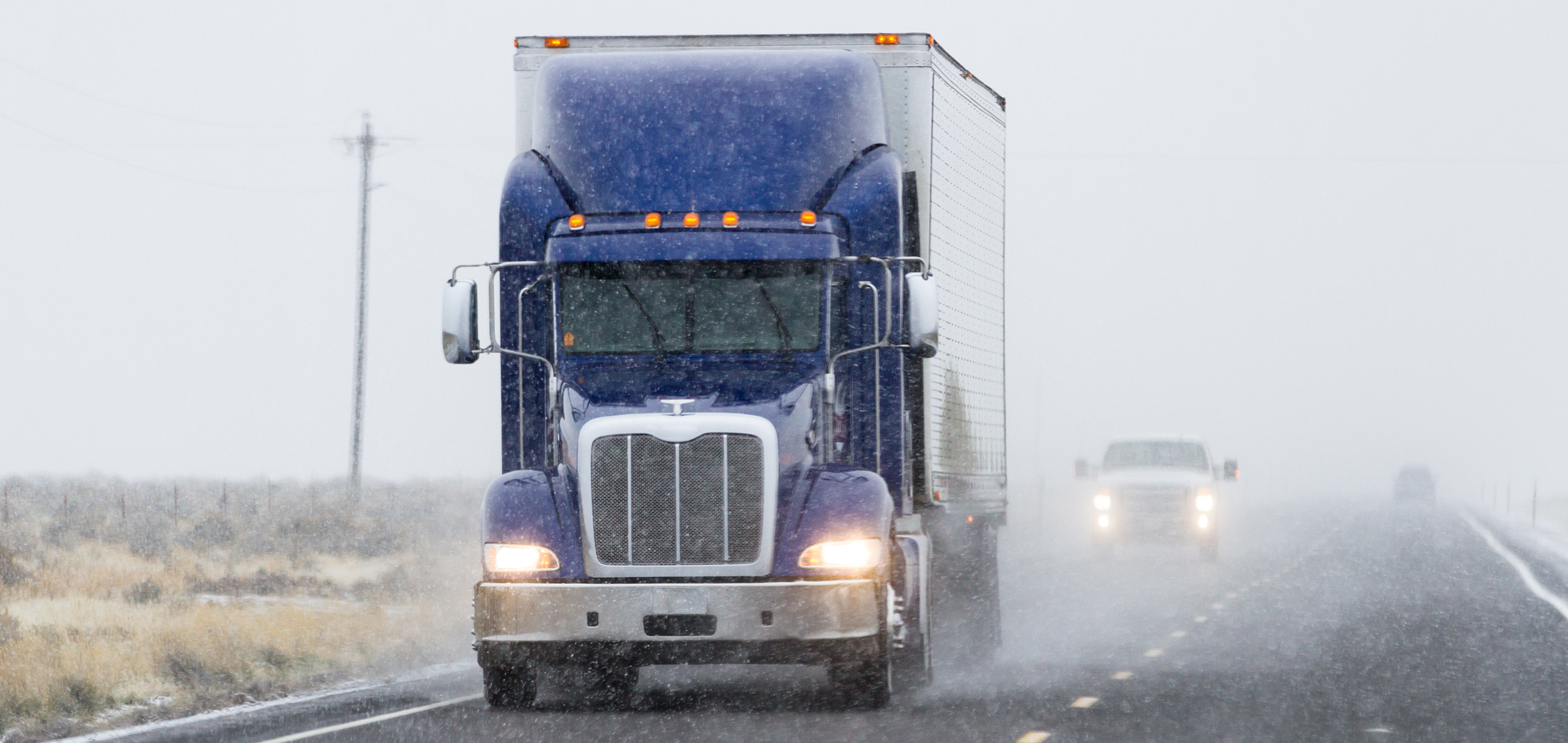
Winter presents unique challenges to truck drivers—especially for those driving with an automatic transmission. With the trend in the trucking industry changing toward automatic transmission trucks, knowing how to handle these in snowy conditions is becoming increasingly important, mainly for the safety of drivers.
Automatic transmission trucks handle quite differently in the winter compared to manual transmission trucks. Those differences can catch even the most seasoned drivers off guard, mainly when negotiating steep, snow-covered hills, slippery surfaces, deep snow in truck stops, and icy road shoulders. Your ability to adapt to these winter driving challenges directly impacts both your safety and delivery efficiency.
With more than 90% of new trucks now being equipped with automatic transmissions, learning winter driving techniques specific to these vehicles is no longer helpful, it’s mandatory for modern trucking operations.
Understanding Automatic Transmissions in Trucks
The shift from manual to automatic transmissions is marking a sea of change in the trucking industry. Today, according to industry statistics, over 90% of new trucks are sold with an automatic transmission, reflecting the modernization trend of fleets.
Manual transmissions give drivers direct control over clutch operation, while automatic transmissions shift gears on their own. Manuals allow “feathering” of the clutch for exact control, while automatics rely on preset shift points.
The advantages to new drivers include a shorter learning curve for new, inexperienced operators, less physical stress on long hauls, easier driving in normal conditions, and less mechanical wear associated with improper shifting.
Winter Operating Characteristics
In winter conditions, gear selection becomes crucial. In a decline, the automatic usually selects higher gears (third) than the manual transmission driver’s choice of second gear. Speed control can be challenging as electronic programming sometimes can push the trucks faster than desired downhill in snowy conditions.
Traction control is limited, with little to no ability to “rock” trucks on snow when traction is minimal. Starting power presents challenges due to the immediate reaction of shifting from neutral to drive, which can get the wheels spinning on a slick surface.
Challenges of Winter Driving with Automatic Transmissions
Automatic transmission trucks face special considerations when driving in winter conditions, particularly when descending steep hills and driving on slippery surfaces. On steep hill descents, automatics tend to upshift on snowy downhill runs, causing trucks to creep further than intended. Light brake application can cause instability due to continued transmission push, and drivers must divide attention between the gear indicator and road conditions.
Starting and traction problems include limited ability to “feather” into gear on slippery surfaces, instant power application when switching from brake to drive, increased likelihood of wheel spin on snow and ice, and less effective truck rocking out of snow ruts. Momentum is often lost during stuck conditions from the brake-shift-accelerate cycle.
Snow and ice management becomes more challenging with less control in packed snow parking lots, more difficult shoulder recoveries, and fewer options for gradual power application. These transmission-related problems, even with the highest quality winter tires, can drastically reduce winter performance.
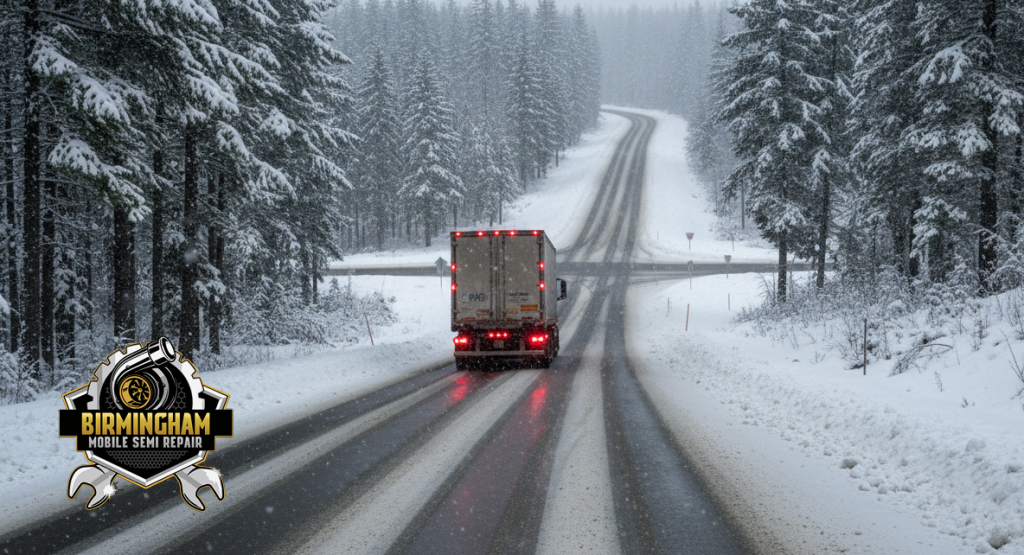
Best Practices for Winter Driving with Automatic Transmissions
What you need to know for winter driving safety and control in an automatic transmission includes the following topics.
Chain Up Your Trailer Axles
Put chains on trailer axles to be used as drag chains. This eliminates downhill jackknifing and is critical in both automatic and manual transmission trucks.
Intelligent Gear Management
Utilize manual mode for downgrade approaches. Downshift before entering the downhill stop and avoid riding the brakes on slippery surfaces.
Parking Lot and Deep Snow Techniques
Apply slow, steady pressure on the accelerator. Maintain consistent speed when possible and avoid sudden movements that could initiate wheel spin.
Load Distribution Awareness
Be aware of cargo weight distribution. Lighter loads require more cautious acceleration. Adjust the driving technique to the weight of the load.
Recovery Techniques
If stuck, do not use aggressive acceleration. When starting from a stop, use a slow, controlled approach. Consider carrying traction aids for emergency situations.
Speed Management
Drive slower than normal in winter conditions. Leave more space between vehicles. Plan stops well in advance to allow for reduced traction.
These habits keep you in better control of your automatic transmission truck in difficult winter conditions. Your driving technique may have to be modified from driving a manual transmission, but these tips will keep you safe in winter weather conditions.
The Future of Trucking Technology
The trucking industry is undergoing a sea change. More than 90% of new trucks ordered by companies for long-distance travel now come with automatic transmissions. This shift is a direct response to the growing driver shortage in the industry.
Why Are Companies Opting for Automatic Transmissions?
Companies are having problems finding experienced drivers who can drive manual transmissions. The answer to this lies in automatic transmissions because they make the learning curve much easier, making it easier for new drivers to be brought into the industry with reduced need for training.
New Opportunities for Seasoned Drivers
This change in the industry poses new opportunities for experienced drivers who are adept at manual transmission driving. Experience with manual transmissions becomes a premium qualification. Fleets still using manual trucks continue to seek experienced drivers, and advanced skill actively sets command better compensation packages.
The move toward automatic transmissions represents a sea of change in trucking technology. While this helps to answer the workforce’s immediate needs, it redefines the importance of traditional driving skills in the modern trucking landscape.
Choose Birmingham Mobile Semi Repair
Winter driving with automatic transmission trucks does require some unique characteristics, involving skill and adaptability. Your safety on snowy roads depends upon understanding these differences and using the right techniques.
When the harsh conditions of winter push your truck to its limits, Birmingham Mobile Semi Repair is always ready to help. Our specialized team is at your service, dealing in heavy-duty repair. We offer 24/7 mobile assistance for any diesel-related repair.
We bring professional solutions straight to you to cut downtime and keep you moving safely through difficult winter conditions. Need immediate help with your automatic transmission truck? Call us at (307) 922-1966. Our experienced technicians are available around the clock to provide expert mobile semi-repair services, ensuring you stay safe and productive on winter roads.