
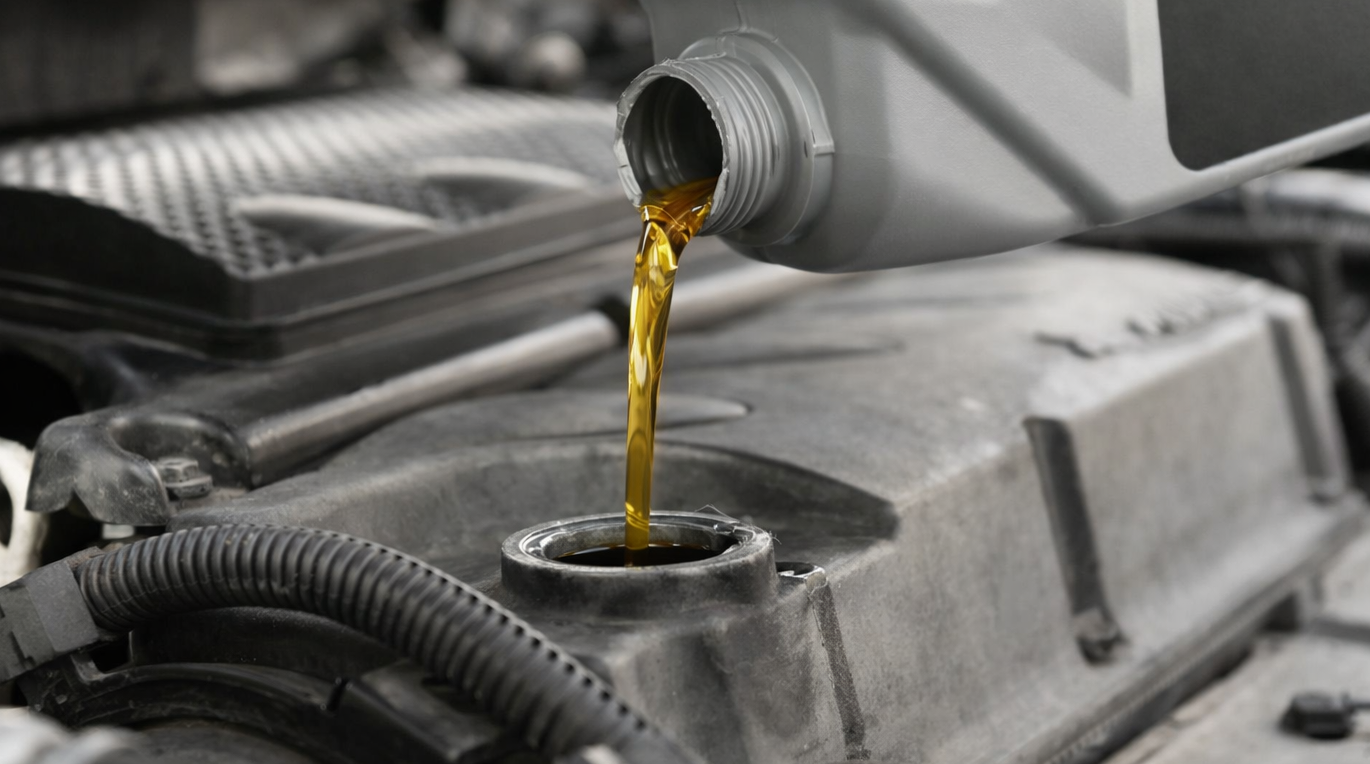
If you’re running a truck for a living, engine oil is not just another line item. It’s protection, uptime, and warranty peace of mind. January marked the start of a new wave of heavy-duty diesel engines will roll out under tighter EPA emissions rules, and when engines change, oil has to change with them. That’s the whole story.
The main point needs to be understood because engine oils used by most people today were created to match the current engine technology and emissions control systems which exist today. The 2027 engines will run hotter, use more advanced aftertreatment, and operate under tougher durability requirements. The oil standard requires updates to match current engine needs.
Why New Oil Standards Are Coming
The oil industry established new standards because it needed to protect its essential operations and not because it wanted to create a promotional strategy. The EPA rules for 2027 heavy-duty engines call for major emissions reductions, including an 80% decrease in nitrogen oxides (NOx) and a 50% cut in particulate matter. The regulations mandate extended engine and aftertreatment component service periods together with increased warranty protection for DPF and SCR systems.
When manufacturers redesign engines to meet those targets, the oil has to keep up with what changes inside the engine and what changes downstream in the emissions system. Oil has become a vital component in the emission control system because it provides more than just lubrication.
What Changes In 2027 Engines That Affect Oil
OEMs need to redesign engine operation methods together with aftertreatment systems whenever new emissions regulations are put into effect. The 2027 generation will create new oil requirements because of its operational requirements.
First, engines are expected to run hotter and cleaner. The oil faces increased pressure from higher temperatures and tighter combustion control systems, which lead to oxidation and deposit control problems.
Second, the emissions systems are more advanced and are expected to last longer under warranty. That raises the stakes for oil performance because oil-related ash and deposits can contribute to aftertreatment issues over time if the oil isn’t built for the new requirements.
Third, there’s a continued push for better fuel economy. That often means design choices that reduce friction and may use lower-viscosity oils in specific engine families to squeeze out efficiency without sacrificing protection.
Finally, all of it adds up to more stress on internal parts if the wrong oil is used. The oil standard exists to create a baseline for protection and compatibility, especially as engines get more specialized.
PC-12: The New Heavy-Duty Oil Category
The new oil standard that goes live in 2027 is called PC-12. It’s being developed specifically to meet the needs of the next generation of heavy-duty diesel engines built under those updated emissions and durability requirements.
For many of us, the immediate question is, “Do I have to switch right away?” No. PC-12’s start date is when oils can be sold and licensed under that new category, not a date when every truck on the road suddenly needs different oil.
The bigger reality is that PC-12 is arriving because 2027 engines are arriving. As those trucks enter fleets, oil selection becomes a lot less about habit and a lot more about following the engine’s spec.
Two New Oils, Not One
This is where confusion usually starts, so we’re keeping it clear. Just like today’s world with CK-4 and FA-4, 2027 will still have two oil types under the PC-12 umbrella, and they’re meant for different use cases.
The Backward-Compatible Option (Safe For Older Trucks)
One of the PC-12 oils is expected to be designed for existing trucks and mixed fleets. If approved as intended, it effectively becomes the “new version of what you already run” for many applications, with performance updates that help it live in the newer reality without punishing older engines.
This option matters because most owner-operators and small fleets cannot, and should not, have to overhaul an entire maintenance program overnight. You still need an oil path that supports older engines while the industry transitions.
The New-Engine-Only Option (Lower Viscosity)
The second PC-12 oil type is expected to be a lower-viscosity oil designed specifically for certain new 2027 engines. These oils are used to support fuel economy goals and the engineering choices inside those new engine platforms.
This oil is not intended for older trucks, and it’s likely to show up explicitly in new owner manuals and OEM service requirements. If the engine manufacturer calls for it, it’s not optional without risking wear concerns or warranty problems.
The Date That Matters (And What It Does Not Mean)
January 1, 2027, is the key date. That’s when these new oils can officially be sold and licensed for use.
What it does not mean is just as important:
- It does not mean you need to change oil tomorrow.
- It does not mean our current truck becomes obsolete overnight.
- It does not mean shops will automatically force everyone into a new oil next year.
What it does mean is that the next generation of trucks will start showing up with different oil requirements, and we’ll need to manage that correctly, especially if we’re operating more than one truck or buying new equipment.
What Owner-Operators And Small Fleets Should Do Now
You don’t need to panic, but you should have a plan. The “right” plan depends on whether we’re keeping current equipment, buying new, or operating a mixed fleet.
If you plan to keep our current truck for several more years, changes should be minimal. We’ll keep following the OEM spec, keep our intervals and sampling program tight, and we’ll shift to the newer backward-compatible option when it becomes widely available and makes sense for our operation.
If you run a mixed fleet, oil management becomes the real challenge. The biggest risk is not higher oil prices. The biggest risk is using the wrong oil in the wrong engine, especially if you stock one bulk oil and assume it fits everything the way it used to.
Where Mistakes Happen In The Real World
Most oil problems don’t happen because someone is careless. They happen because busy shops and busy drivers default to habit. A jug looks familiar, a viscosity grade sounds close enough, and a truck needs to get back on the road.
In a PC-12 world, you should expect more situations where “close enough” is not good enough. New-engine-only oils may not be appropriate for older engines, and even when an oil is high quality, the wrong category can still create wear risk or create warranty trouble if an OEM calls it out.
This is why we’ll want to tighten our process. You should read the engine spec, match the oil category and viscosity, and keep the paperwork that proves what was used.
The Simple Rule Going Forward
We can keep this straightforward:
- If the engine is new, we follow the engine manufacturer’s oil specification, exactly as written.
- If the engine is older, we use the backward-compatible oil that’s intended for mixed fleets and legacy engines.
- If we’re not sure, we ask before we pour.
That last line matters. It’s cheaper to ask a question than to buy an engine repair or fight a warranty claim.
How You Can Prepare Without Overcomplicating It
Between now and 2027, the best move is building a simple system you can stick to. You should know what each truck requires, label oils clearly if you store them, and make sure anyone who touches our equipment is not guessing.
If you use an outside shop, you should confirm what they plan to use before the service starts, especially once new engines begin showing up in the same bays as older trucks. If you do our own maintenance, you should keep a written spec list by VIN or unit number so the right oil goes into the right engine every time.
Closing Thoughts And What To Do Next
New engines are coming, and new oil standards are coming with them. PC-12 is not a reason to panic, but it is a reason to pay attention, especially if we’re buying a 2027-compliant truck or running a mixed fleet. The win here is simple: when you match the oil to the engine spec, you protect uptime, emissions hardware, and warranty coverage at the same time.
You can contact us at (307) 922-1966 if you need assistance selecting the appropriate oil category and viscosity for your trucks or if you need help developing an oil management system for your fleet. At Birmingham Mobile Semi Repair, we will assist our customers in obtaining appropriate oil for their engines to maintain regulatory compliance and protection while driving down the highway!

