
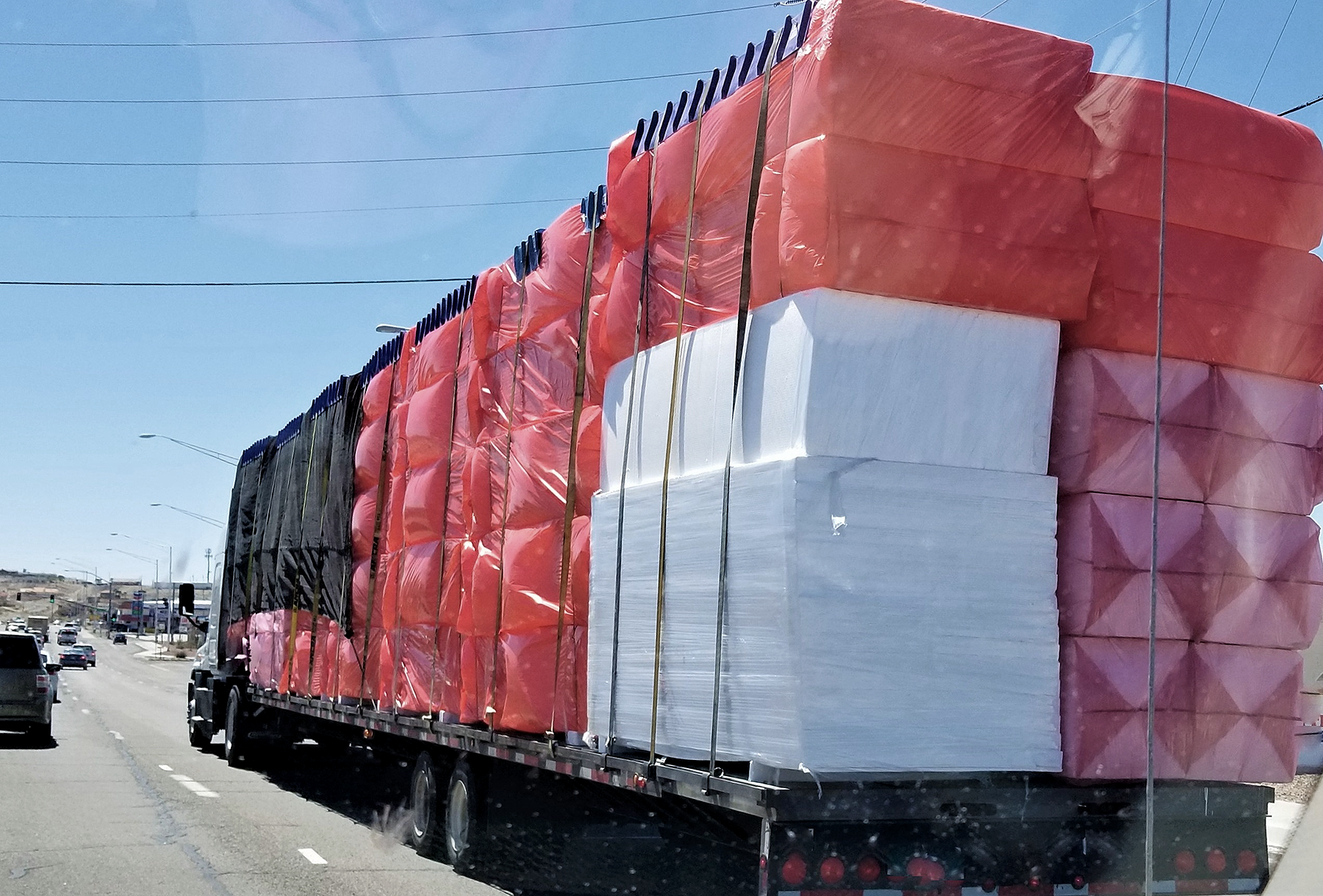
Fuel has always been one of those line items that never sits still. But heading into 2026, it is not just “up and down” anymore. It is shaping freight decisions in a way we have not seen in a long time. Lanes are getting repriced, equipment choices are changing, dispatch is getting tighter, and a lot of smaller carriers are doing the math and realizing the old habits are not going to work.
Out on the road, we are seeing it in the real world. Drivers are talking about where they fuel, when they idle, how fast they run, and even which loads they will take. Fleet owners are asking harder questions about maintenance timing and spec choices, because fuel cost pressure is basically forcing every other decision to get sharper, too.
At Birmingham Mobile Semi Repair, we stay close to what is happening day to day with working trucks, not theory. When fuel costs start squeezing margins, breakdowns and inefficiency hurt more. That is the part people feel immediately. And it is why it is worth talking about what this 2026 freight shakeup looks like and how fleets can protect themselves.
Fuel Costs Are Not Just A “Fuel Problem” Anymore
When fuel goes up, it is easy to say, “We will just add a surcharge.” Sometimes that works. A lot of times it does not, especially for smaller carriers and independent operators that do not have strong contract leverage. The bigger issue is that fuel costs do not rise in a neat, predictable way across every region and every lane. Some areas get hit harder. Some lanes get stale rates. Some shippers push back. Meanwhile, the truck still burns what it burns.
So fuel becomes a strategy problem, not a receipt problem.
And once it becomes a strategy problem, we start seeing changes like:
- Fleets are trimming routes that look fine on paper but are ugly after real fuel burn and deadhead are counted
- Dispatchers are building more conservative schedules because speeding, idling, and traffic reroutes punish fuel economy
- Carriers are paying more attention to maintenance items that directly affect MPG, like sensors, turbo health, aftertreatment performance (which can be influenced by bad fuel causing injector issues, or the surprising weight of diesel fuel affecting repair needs), and tire condition
That last one matters more than people think. If a truck is losing even a small amount of efficiency due to fuel quality, it adds up fast when fuel is already expensive. A “minor” problem can turn into a weekly profit leak.
This shift in perspective also highlights the importance of fuel transport, as understanding how to manage this aspect can significantly influence overall costs and operational efficiency
Why 2026 Is Looking Like A Freight Shakeup Year
A shakeup happens when pressures stack on top of each other, not when one thing changes. Fuel is the big visible driver, but it is combining with a few other realities that fleets are already dealing with.
First, operating costs are still sticky. Parts are not cheap, labor is not cheap, and downtime is brutal. Second, the market is still competitive. There are smart carriers chasing the same freight, and brokers are watching every penny. Third, shippers are still demanding reliability even when rates are tight.
Put that together, and it creates a pretty clear split.
On one side, we have fleets that are tightening operations, staying ahead of maintenance, tracking fuel burn per truck, and refusing to run bad freight. On the other side, we have fleets trying to “outdrive” the math. That second approach usually ends with more breakdowns, more stress, and a lot of difficult decisions.
Around Birmingham and across Alabama lanes, we are hearing more operators say the quiet part out loud: if the truck cannot stay efficient and reliable, the load is not worth it.
The Hidden Ways Fuel Costs Increase Breakdown Risk
When fuel costs climb, people naturally try to cut spending somewhere else. That is where things can get risky. Delaying maintenance might feel like saving money, but it often creates bigger repair bills and more downtime at the worst possible moment, like under a hot load or far from a shop.
We also see behavioral changes that raise breakdown risk without anyone noticing right away. Drivers might idle less, which is good, but they might also avoid running the APU or managing battery health correctly. Fleets might stretch service intervals. Or they might buy cheaper tires that do not hold up, and rolling resistance gets worse anyway.
Fuel pressure can also make people run heavier, run tighter schedules, or keep marginal trucks in service longer. Any of those can be fine if the equipment is truly ready for it. But if the truck is already flirting with problems, fuel pressure makes the consequences show up faster.
Where Fleets Can Win Back Margin Without Cutting Corners
Fuel is expensive, but there are still ways to fight back without gambling on reliability. Most of it comes down to getting the truck back to “healthy baseline,” then keeping it there. When we see a truck that is suddenly burning more fuel, the fix is often not some magic product. It is usually something basic that has drifted out of spec.
Engine And Aftertreatment Performance Really Matter
A lot of fuel economy complaints trace back to issues that also trigger bigger failures later. A sensor reading wrong can push regen behavior in a bad direction. A small boost leak can change how hard the engine works. EGR and DPF issues can snowball and start affecting drivability, power, and fuel burn all at once.
If a truck is regenerating too often, losing power, running hotter than usual, or showing odd dash warnings, it is not just annoying. It is money. And in a fuel-tight year, it is even more money.
Tires, Alignment, And Rolling Resistance Are Not “Small Stuff”
We know tires are expensive, so it is tempting to run them longer, mix and match, or delay alignment checks. But uneven wear, bad alignment, and underinflation hit MPG and stability. We also see more roadside tire failures when tires are pushed past their real life, especially with heavy loads and summer heat.
When fuel costs are forcing hard decisions, it helps to remember something simple. A tire problem rarely stays a tire problem. It becomes downtime, a service call, a missed appointment, maybe even freight claims. Nobody wants that.
Cooling System And Air Leaks Can Quietly Drain Efficiency
Cooling issues make engines work harder. Air leaks reduce performance. Both can cause a driver to stay in lower gears longer, run higher RPM, or lose power on grades. The truck still moves, so it is easy to ignore. But fuel burn tells the truth.
If we are seeing repeated overheating, coolant loss, fan running more than usual, or boost issues, that is a good time to get ahead of it before it turns into a tow.
Operational Changes We Are Seeing On The Road
Even without naming names, the pattern is obvious when we talk with drivers and fleet managers. Fuel costs are pushing more disciplined choices. We are seeing more route planning around fuel stops, more attention to idle time, and more selective freight decisions.
We are also seeing more operators build their schedules around reliability. Not just “Can we make it?” but “Can we make it without an emergency repair at midnight?”
And that is the real shift. In 2026, a lot of fleets are going to survive based on consistency, not hero runs.
Here are a few practical focus areas we are hearing more often when fleets talk about staying profitable:
- Tracking MPG by truck and watching for sudden changes, not just averages
- Scheduling preventative repairs before the next long run instead of waiting for a warning light
- Keeping a plan for quick mobile service so a minor issue does not turn into a multi-day delay
That last point is one we care about a lot, because breakdowns do not happen in convenient places. If a truck is down on the shoulder, at a shipper, or in a yard with a tight appointment, time matters.
How Mobile Repairs Fit Into The 2026 Reality
When fuel costs rise, every hour of downtime hurts more because the whole trip is already expensive. Paying for a tow, losing a load, or sitting for a day waiting for a bay is a bigger hit than it used to be. That is why mobile service is becoming part of how fleets protect margins.
We help drivers and fleets by bringing repair capability to the truck when it makes sense. Not everything can be fixed roadside, but a lot can. And even when the repair needs to go further, getting accurate diagnostics early helps decision-making. It is the difference between guessing and planning.
We also see mobile service as a way to prevent domino effects. A small issue handled quickly can stop a chain reaction that ends in aftertreatment damage, overheating, or a forced shutdown at the worst time.
What We Recommend Before The Next Long Run
If we are heading into a year where fuel is shaping the freight market, it is smart to treat maintenance like part of the fuel strategy. Not separate. Because a truck that is running rough, regenerating too much, leaking air, or wearing tires unevenly is basically burning profit.
We like simple, repeatable habits. Check for leaks. Watch for new noises. Pay attention to regen frequency. Do not ignore small drivability changes. If a truck suddenly feels “off,” it usually is, and it usually gets worse at a bad time.
And if we are being honest, the best time to deal with an issue is before the next load makes the schedule tight.
Closing Thoughts And A Clear Next Step
Fuel costs in 2026 are not just going to raise expenses; they are going to separate fleets that run tight and reliable from fleets that get trapped in constant firefighting. We can help keep trucks moving with practical, on-the-road support that fits the reality drivers and fleet operators are living right now. If we are dealing with a breakdown, warning lights, loss of power, repeated regens, overheating, air leaks, tire issues, or anything that is putting the run at risk, call Birmingham Mobile Semi Repair in Birmingham, AL at (307) 922-1966, and we will work to get the truck back on the road.

