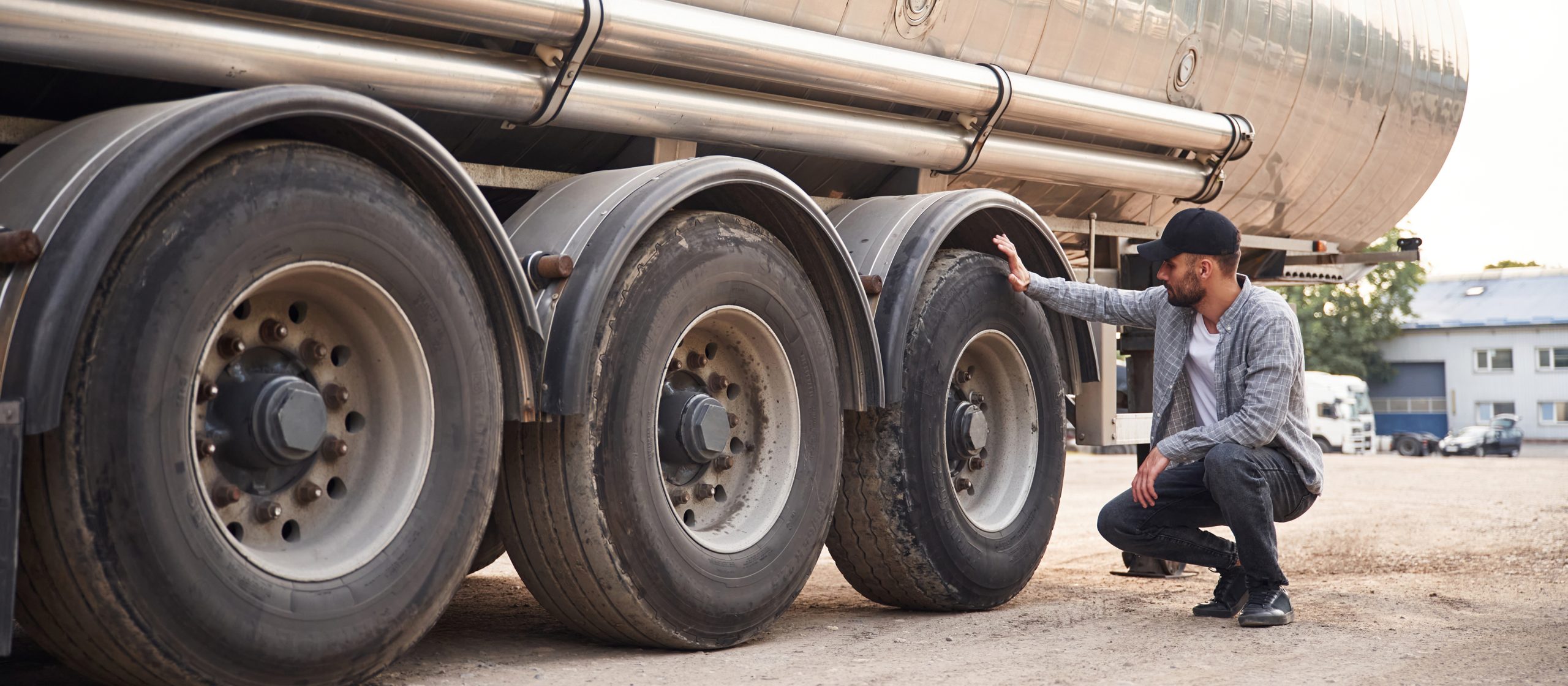

The trailer wasn’t doing this before. Now you’re working the steering wheel more, or the trailer looks offset in the mirrors. “Needs an alignment” is an understandable guess. We’d hold off on the diagnosis, though.
A persistent pull needs inspection, and truck trailer repair may follow. At Birmingham Mobile Semi Repair, we’d first want the part of the story just before the pulling started. Tire work? A curb strike? A different load? The answer won’t identify a failed part over the phone, but it beats starting with a shopping list of parts.
What Does Pulling Feel Like In This Case?
Dog tracking describes a trailer following at an angle. A pull during braking is a different complaint. Wind and road crown can require steering corrections, too. From the seat, those can get lumped together as the trailer pulling.
Tell us what you’ve already noticed; don’t take it out again to gather evidence. Also, leave room for a tractor problem. Feeling something behind you doesn’t settle which end of the combination needs work.
If the pull came on suddenly, is severe, or makes it difficult to hold the lane, stop as safely as possible and arrange professional help. The same goes for braking trouble. We wouldn’t treat “only a few miles to the terminal” as a reason to continue. Those miles don’t tell us what’s failed.
Before Ordering An Alignment
A trailer axle that’s out of position can scrub tires and affect tracking. Measurements help establish that. A worn shoulder by itself doesn’t. Inflation, loading, and tire condition still belong in the discussion.
We’d also ask what’s keeping that axle in place. An alignment on loose suspension hardware is a frustrating way to spend money. The numbers might look better while the trailer is sitting there, yet a worn bushing still lets things move when the load comes on. Hangers, torque arms, spring attachments, equalizers—the inspection depends on what’s fitted to that trailer. Anything loose or damaged needs dealing with before the final alignment measurements mean much.
And that curb strike matters even if nothing looked bent afterward. Axles, spindles, wheels, and brackets don’t have to look dramatic to be damaged. A damaged component needs assessment, not an adjustment that hides its effect for the moment.
When The Brakes Enter The Conversation
A brake that doesn’t release properly leaves a wheel resisting movement. Uneven application can disturb the rig during braking instead. Either way, it isn’t an alignment-only question anymore.
Which brake is at fault? You can’t reliably answer that from the direction of the pull. A qualified technician has to check operation. Air supply, chambers, friction material, and release or application faults may be involved, with different components on disc and drum setups. An unlit warning lamp doesn’t clear any of them.
Don’t bury a burning smell at the end of the phone call. Smoke or abnormal wheel-end heat means stopping safely and arranging assistance, not driving on to cool it. Keep your hands off the hub and wheel. For suspected fire, stay clear and contact emergency services. And no, manually turning an automatic slack adjuster isn’t a repair for the underlying fault.
Still Holding Air Doesn’t Clear The Tire
A damaged tire may hold pressure. Look at condition, not just whether it’s flat. Cords, a bulge, distorted tread, or suspected internal damage call for stopping safely and getting professional help. Put the air hose away rather than trying to inflate a suspect tire back into service.
For sound tires, use the specified cold pressure for the load and application. The size and rolling circumference need to suit the installation, including dual matching. Brand names alone don’t decide that: matching names don’t prove a suitable pair, and different names don’t diagnose the pull.
Even after the original fault is fixed, a badly worn tire needs its own serviceability decision. Alignment can’t put back the tread that got scrubbed off. That’s why a repair plan may include both the cause and the tire it damaged.
Leave The Underneath Inspection To Equipped Help
Does one side look lower than the other? That’s worth telling the technician, even if you can’t see why. It could lead the inspection toward an air-suspension issue or damaged hardware. What we don’t need is for you to crawl under there to get us a closer look.
Stay out from under an unsupported trailer. Air suspension isn’t a safe support for somebody working beneath it. Suppose you can take a picture safely from a standing position, fine—that gives us a view of how it’s sitting. It still doesn’t tell us whether a mount or bearing is sound.
The inspection needs to follow what turns up, through the tires and wheel ends, brakes, suspension, and alignment. Sometimes there’s more than one thing to put right. Replacing a loose joint, for instance, won’t undo the wear already left on a tire.
Don’t Use The Next Load To Find Out
Even a mild unexplained pull needs assessment before assuming continued operation is safe. We can’t clear it from a photo. Severe pulling, brake trouble, heat, smoke, and tire damage mean stopping safely and arranging help; recovery may be part of the answer.
Call our team at Birmingham Mobile Semi Repair in Birmingham, AL: (307)922-1966. We’ll discuss inspection options based on what you can tell us. Start with what changed, not what part you think you need—that leaves less chance of an important symptom getting lost in the conversation.