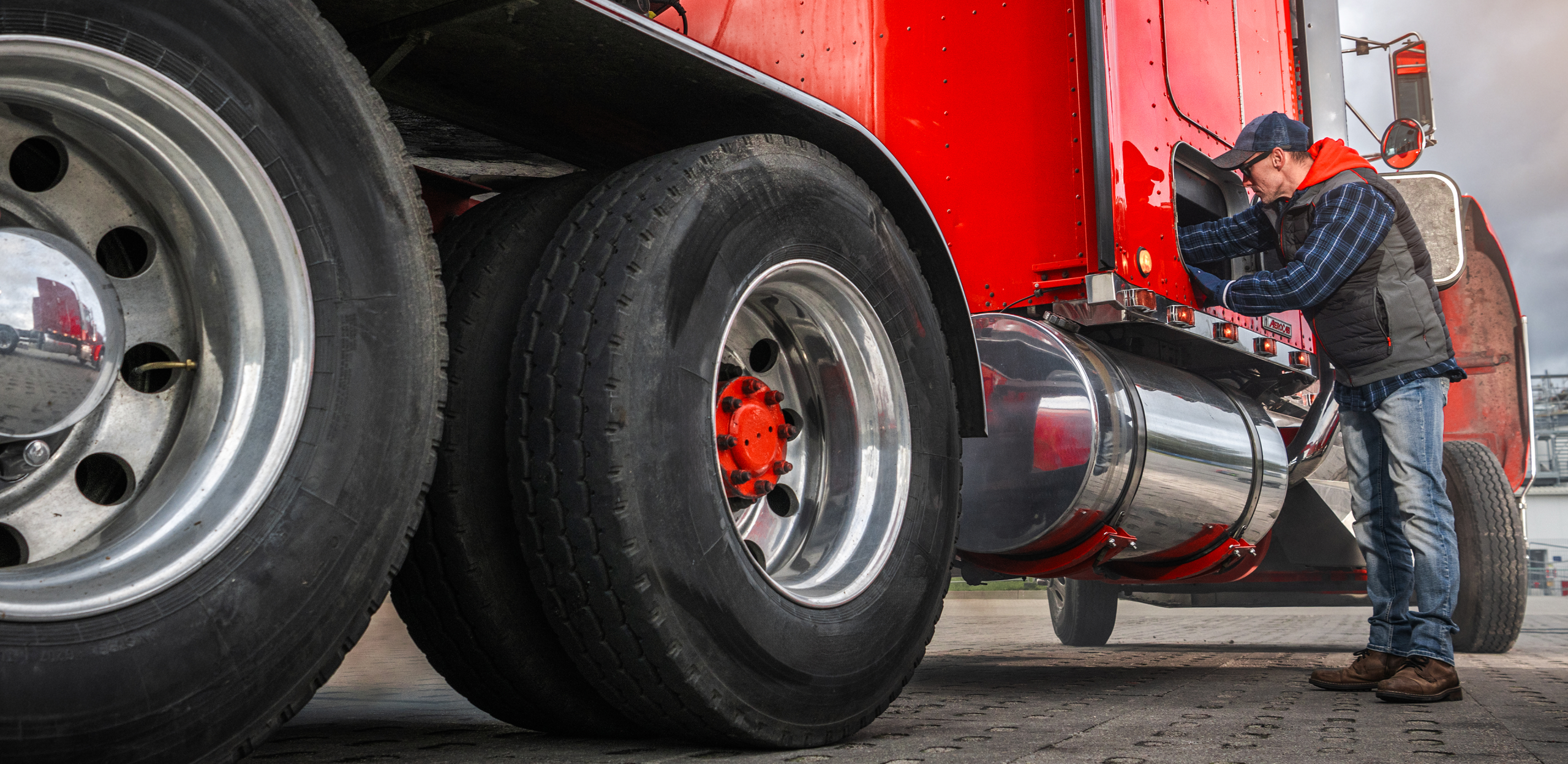

Knowing the exact weight of diesel fuel helps in diagnosing problems, planning logistics of transportation, and making sure that a vehicle will run smoothly on the road. Continue reading to learn more about why this apparently trivial detail is so important in the world of heavy duty machinery.
Understanding Diesel Fuel Weight
How much does diesel fuel weigh, one may ask? On average, a gallon of diesel fuel tips the scales at about 7 to 7.5 lbs. These numbers are not set in stone, as there are various factors that can causing fluctuations.
Factors Affecting Diesel Fuel Weight
- Temperature With a rise in temperature, diesel fuel expands, which lessens its density, hence decreasing its weight per gallon.
- Humidity Air moisture can also partly affect weight, but it usually remains a minor concern.
- Grade of Diesel Not all types of diesel are the same; there are a few grades available: Diesel 1D, 2D, and 4D differ in weight and density.
- Diesel 1D: Lighter generally, for cold climates.
- Diesel 2D: Most common for on-road use.
- Diesel 4D: Heavy and mostly industrial.
Biodiesel Blends
When blending biodiesel with regular diesel (e.g., B20, which is 20% biodiesel), the weight might be slightly different. Biodiesel may be denser than petroleum-based diesel. Working with blends may result in some differences in weight, affecting load calculations for transport or troubleshooting vehicle performance issues.
Calculating Diesel Fuel Weight for Transport
Accurate calculations are crucial for efficiency in the transport management of heavy-duty trucks.
How to Calculate Total Weight by Knowing the Capacity of the Tank
To determine how much diesel fuel weighs, you need to know:
- Tank capacity: Typically ranges between 125 to 300 gallons.
- Weight per gallon: Usually ranges between 7 to 7.5 lbs/gallon for diesel.
Sample Calculation:
Suppose the tank holds 200 gallons: If using Diesel 2D with an average weight of 7.1 lbs/gallon:
[ \text{Total weight} = \text{tank capacity} \times \text{weight per gallon} ]
[ \text{Total weight} = 200 \text{ gallons} \times 7.1 \text{ lbs/gallon} = 1420 \text{ lbs} ]
Different grades and conditions will generate slightly varied results. For example, biodiesel blends may have different weights due to varying components. Considering them makes it possible to increase transport efficiency by keeping to legal weight limits when trying to balance vehicle performance.
Weight of Diesel and Its Impact on Vehicle Performance and Regulation Compliance
Diesel fuel weight is critical in determining overall gross vehicle weight (GVW), which is highly regulated by federal laws. The impact extends beyond fuel itself to broader transport logistics.
For semi-trucks and other heavy-duty vehicles, every pound matters. GVW limits are strictly enforced for safety reasons; operators could face significant fines or be forced off the road if combined truck, cargo, and fuel weights exceed these limits.
Key Regulations Affecting Truck Operations
The purpose of weight regulations is to prevent overloading conditions. These could increase accident potential and cause wear and tear on vehicles.
The effect on semi-trucks: On long hauls, drivers must consider variations in diesel fuel weight due to grades and temperatures, affecting how much cargo they can legally carry without exceeding GVW limits. Complying with transportation regulations avoids penalties and ensures safe transport operations.
Good estimations of diesel weight aid in route and load planning, aligning rigs with legal standards. Knowing exact weights makes a significant difference in staying within legal limits while optimizing vehicle performance under varying load conditions.
Federal Regulations on Transporting Diesel Fuel
How much diesel fuel is transported from one place to another is not simply a matter of filling up the tank and hitting the road. The transportation of diesel fuel has some big-time federal regulations that play an imperative role in safety as well as compliance.
Key Items Carriers Should Know
Carriers should be aware of the following:
- Truck scales/weight stations: These are important checkpoints where vehicles are weighed to ensure that the legal limits set by law are met. Overloaded trucks may lead to heavy fines besides causing a safety hazard.
- Weight limit for transportation: The overall weight of the vehicle, including diesel fuel, shall not exceed that provided by federal provisions.
Importance of Compliance
Compliance with these regulations is a necessity:
- Penalty avoidance: Non-adherence to regulatory requirements attracts huge fines, which hurts your profitability negatively.
- Safety: Weight compliance minimizes accidents, thereby making the road a safe place for all users.
Mastery of these federal regulations may seem a challenge, but their understanding opens the way to smoother and safer transport operations.
Considerations of Diesel Repair with Regards to Fuel Weight
Diesel fuel weight is one of the very important aspects of vehicle diagnosis. Knowing the exact weight aids in:
- Locating balance issues: A miscalculated fuel weight will affect vehicle balance, causing the uneven wear and tear of tires or problems with steering.
- Exact load distribution: It helps maintain the right weight distribution for better performance and safety.
Proper maintenance keeps a truck performing at its best in all conditions, whether with a heavy or partial load. For routine fuel system checks, contact our professional expertise here at Birmingham Mobile Semi Repair.
Choose Birmingham Mobile Semi Repair
Have questions about diesel fuel weight or need semi-truck repairs? We can help at Birmingham Mobile Semi Repair.
Why Choose Us?
- 24/7 Availability: We are on call every minute of each day to be there for you whenever and wherever.
- Expert Team: Our mechanics have hands-on experience to meet any challenge a repair may throw at us with your heavy-duty vehicle.
- Quality Equipment: At our facility, we boast the latest tools and technology to have your truck back on the highway safely and on schedule with the least delay possible.
Questions or want to schedule a service? Call us at (307) 922-1966.
We promise to keep you rolling with fast and professional service, anywhere and anytime.