
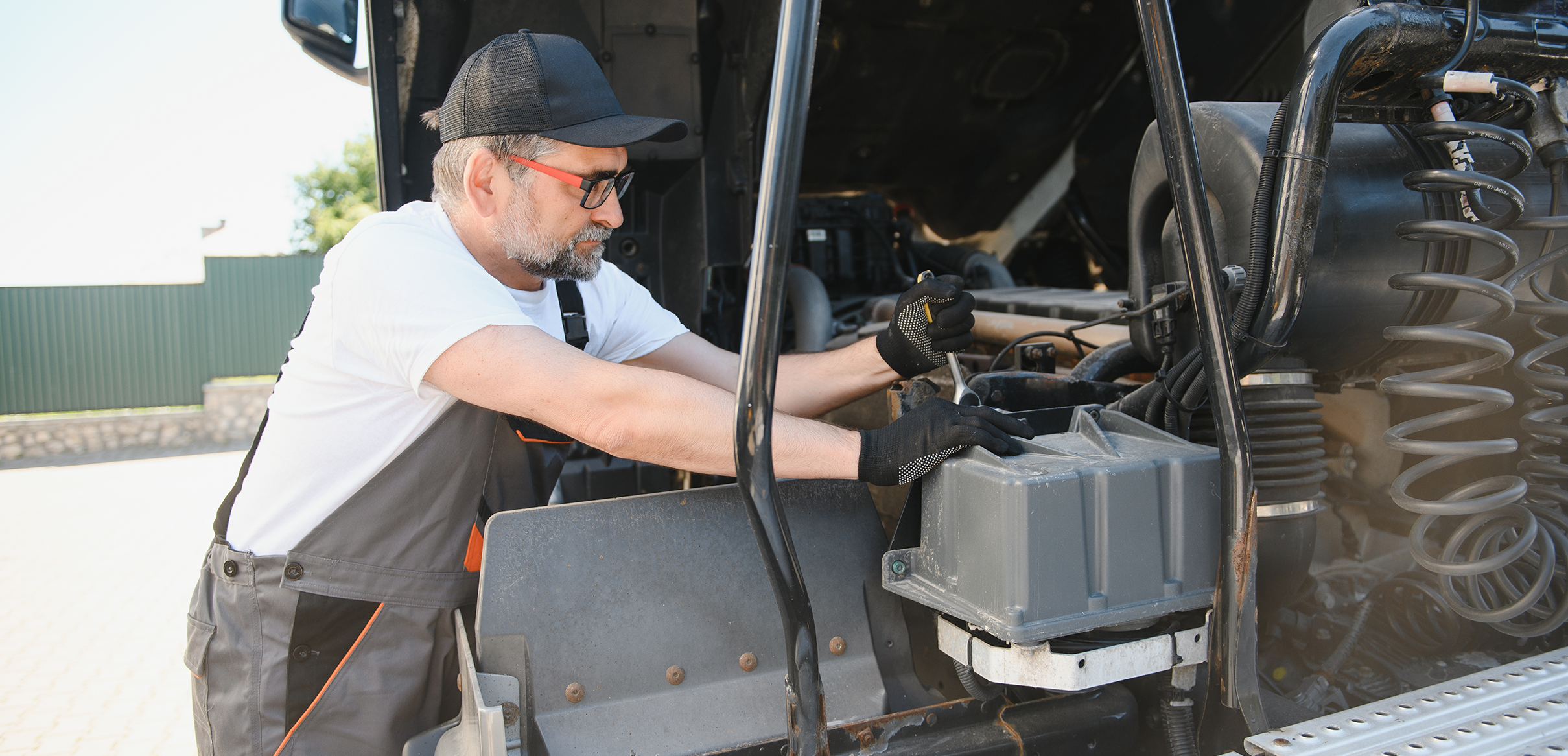
No matter if you are new to diesel repair or are a semi truck repair veteran, one of the parts you will be servicing quite often is the EGR valve. This little yet very important piece of machinery is the root of most of the operation of newer diesel engines. Learning about it can be the difference between having a well-maintained vehicle and one that sits in the shop more.
Your diesel engine’s exhaust system contains a very significant device called the EGR valve or Exhaust Gas Recirculation valve. Its sole function is to regulate the recirculation of the exhaust gases into the combustion chamber of the engine. Blowing exhaust out into the engine is insane, but it serves as an essential component in avoiding the ugly emissions, i.e., nitrogen oxides (NOx).
If you’re dedicated to diesel repair, knowing how the EGR valve works isn’t just convenient, it’s essential. The valve directly influences the efficiency, durability, and emissions capability of your engine.
If you’re an owner/operator maintaining a fleet of rigs on the road or a garage mechanic experimenting with your own rigs, knowing what happens inside that EGR system provides you with the capability to detect issues early on and before they become full-blown problems and maintain your diesel engine at its best.
How the EGR Valve Operates in Diesel Engines
Visualize your diesel engine’s EGR system as an exhaust gas-recycling program. It begins when your engine generates exhaust gases when it burns. Rather than expelling all these gases out through the exhaust pipe, the EGR valve spills some of them back into your engine’s intake manifold.
The Recirculation Path
Your exhaust gases leave the exhaust manifold via the EGR valve but never return to your combustion chamber directly. They travel first through an immensely vital part known as the EGR cooler. Your EGR cooler is like a radiator for your exhaust gases, cooling them down very much before they return to reintegrate with the fresh air that enters your engine.
Why in the world would you even cool them off to start with? Hot exhaust gases would warm your combustion chamber further, which goes against the whole idea. Cooling the gas keeps the overall combustion temperature down, which is a huge part of cutting down those nasty NOx emissions we discussed earlier.
The Balancing Act
Your engine doesn’t reuse the same percentage of exhaust gases every time. The EGR system is intelligent, it varies depending on what you’re doing in your truck. While driving down the highway, compared to hauling a heavy trailer up an incline, your engine requires varying quantities of recycled gases.
You’re generally expecting 30-40% of your exhaust gases to be recycled through the intake manifold and into the combustion chamber. This percentage shifts depending on:
- Current engine load and power demands
- Driving conditions (highway vs. city)
- Engine temperature
- Throttle position
Your computer is always watching these variables and tweaking the EGR valve opening to keep the delicate balance between performance and emission control in check.
Advantages and Challenges of Using an EGR Valve
The only function of the EGR valve is to assist in reducing one of the biggest environmental concerns for diesel engines: NOx emissions. When you operate your diesel engine at top engine efficiency with high-temperature combustion, it produces greater levels of nitrous oxides. The EGR system erases this by following very stringent emission standards, so it simplifies it for you to meet environmental regulations over commercial diesel trucks.
It’s not really to keep from getting into trouble and paying a fine, it’s to get your rig on the road legally and breathe clean air.
Benefits of An EGR Valve
Lowered NOx Emissions: The biggest advantage of the EGR system is that it can reduce nitrogen oxide emissions, which are toxic emissions that cause smog and breathing problems.
Regulation Compliance: With an EGR valve, you can achieve the strict emission regulations required by government authorities, so your vehicle is road-ready and environmentally friendly.
Fuel Economy Enhancement: Under certain conditions, the EGR system has the capability to increase fuel economy since it improves combustion conditions, resulting in better mileage in addition to lowered fuel expenses.
Whereas there are a lot of advantages, there are some disadvantages of applying an EGR valve that you need to know:
Poor Combustion Quality: The addition of cold exhaust gases in the intake stream can be detrimental to combustion quality, particularly in heavy-duty applications where peak power is a factor.
Soot Accumulation: With the engine having an EGR system, soot accumulation always remains a potential risk. Carbon deposits accumulate on all parts, like the intake manifold and valves, over time, restricting airflow and ultimately causing performance problems.
Engine Oil Contamination: Exhaust soot particles may leak into the engine oil and hence cause contamination that increases wear on essential parts like cylinder walls and bearings.
Knowing these benefits and disadvantages will help you determine if an EGR valve would be appropriate for your particular diesel engine application.
Maintenance Considerations for Diesel Repair Enthusiasts
For maintaining diesel repair, it is vital to be proactive towards EGR-related issues so you do not end up wasting thousands of dollars on repair and wasting time. The carbon deposit mentioned earlier is not a one-night thing, but catching it early is the secret.
Routine Inspection Schedule
You will need to adopt a habit of regular inspections according to your operating habits. If you idle more than you drive through traffic, you’re giving the perfect conditions for carbon buildup. Check your intake system every 50,000 miles at least, but high-mileage trucks could need attention sooner.
Warning Signs You Can’t Afford to Ignore
Your truck will let you know if there’s a problem with the EGR system. Listen for these signs:
- Noticeable decrease in fuel economy
- Rough idling or engine hesitation
- Black smoke from the exhaust (more than usual)
- Check engine light with EGR-related codes
- Loss of power during acceleration
- Increased oil consumption
Proactive Maintenance Practices
Carbon buildup cleaning doesn’t always require a complete teardown. Many semi truck repair tips focus on preventive measures like using quality diesel fuel with proper detergent packages and maintaining correct oil change intervals. Your oil acts as the first line of defense against soot contamination, so don’t stretch those service intervals.
Have your EGR valve and cooler professionally cleaned at major service levels. This preventative measure keeps your combustion chambers free and your engine running at its best, and that directly equates to your bottom line with increased fuel economy and extended component lifespan.
Birmingham Mobile Semi Repair and Supporting Diesel Engine Health
If your diesel engine requires professional service for EGR valve problems or general heavy-duty truck maintenance, the right partner really does make a difference. Birmingham Mobile Semi Repair brings professional diesel repair to your doorstep, sans the hassle and wasted time of towing your truck into a repair facility. Our experts know the nuances of newer diesel engines and emission systems, including the nuances of EGR valves, DPF filters, and the supporting components.
We’re certified and ready to do everything from scheduled EGR system checks to emergency repairs, all while you remain on your schedule. Our mobile semi repair ability means you receive professionally-grade diagnostics and repairs wherever your truck may be, whether at your shop, roadside, or job site. With our 24/7 service and years of firsthand experience with diesel engines, we’re here to fix carbon build-up problems, valve malfunctions, and whatever else your emission system cares to throw our way.
Choose Birmingham Mobile Semi Repair
Knowing how your EGR valve operates is only the beginning of maintaining your semi truck. Emission systems need to be understood as well as manual expertise, and that’s what diesel repair professionals provide. Carbon deposits, clogged intakes, or a whole inspection are all needed somewhere along the way, and only professional assistance is going to get your diesel engine operating the way it should.
We at Birmingham Mobile Semi Repair are just a phone call away to service all of your semi truck repair requirements. Our technicians have extensive experience with current diesel engines and emissions systems. Call us anytime at (307) 922-1966 for safe, reliable service that keeps your rig operating clean and efficiently. When you need an answer requiring expert on-the-road advice, keep in mind that we’re just a phone call away, 24/7 wherever you find yourself.