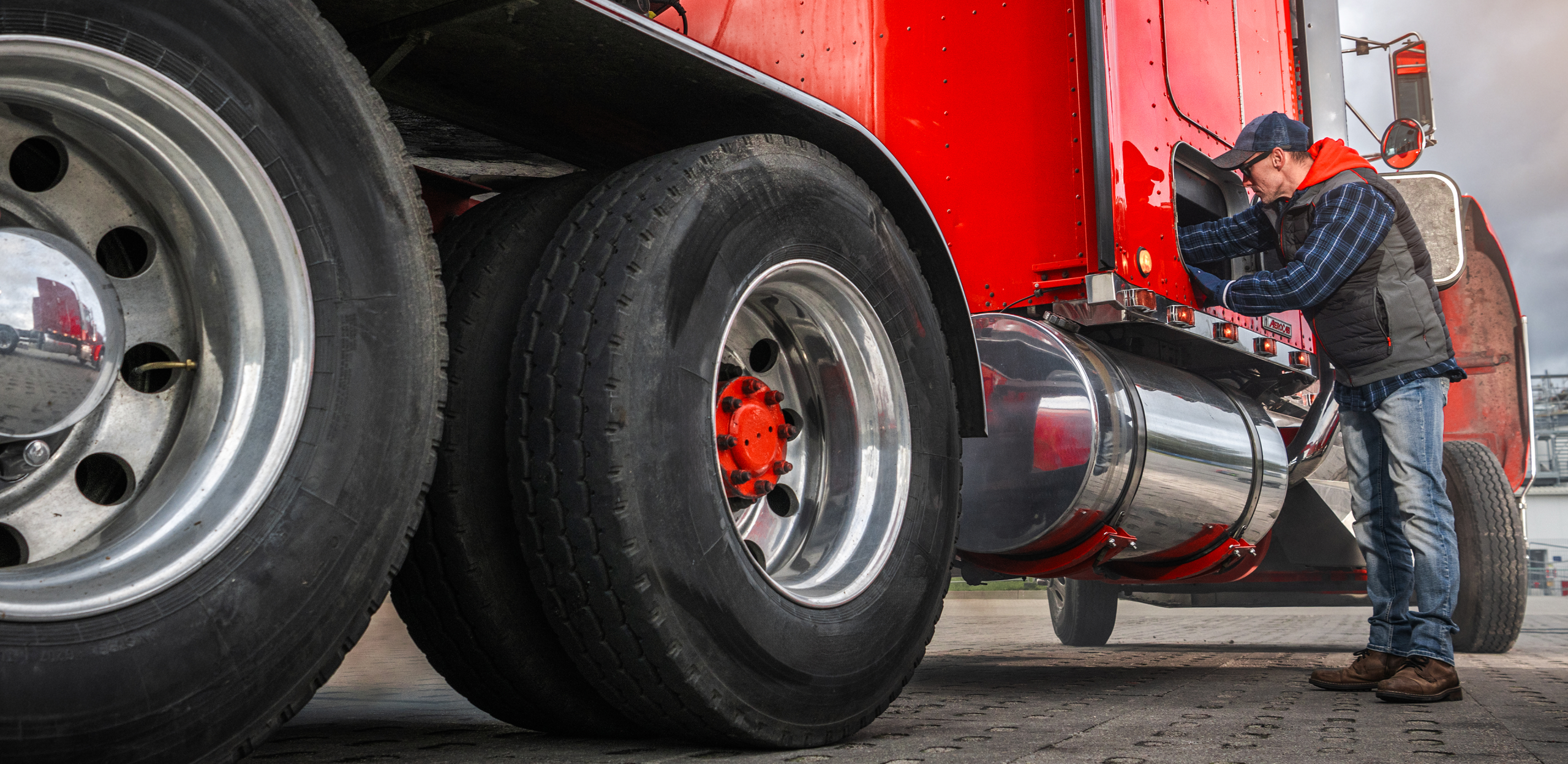

Your semi truck’s Diesel Particulate Filter (DPF) plays a critical role in your vehicle’s emission control system. This essential component filters out harmful soot and particulates from your truck’s exhaust gases, helping maintain air quality standards and protecting public health.
We’ve noticed a concerning trend: some drivers consider removing their DPF systems in search of:
- Better engine performance
- Enhanced diesel sound
- Reduced maintenance costs
Here’s the reality – DPF deletion might seem like an attractive solution to maintenance challenges, but it’s a decision that carries serious consequences. From hefty fines reaching $250,000 for individuals to potential insurance coverage issues, the risks extend far beyond simple performance gains.
At Birmingham Mobile Semi Repair, we’re committed to helping you understand these dangers. We’ll take you through the main elements of DPF systems, why they’re important, and why it’s absolutely essential to your truck’s compliance and the life of your business that they’re in place.
Understanding How a Diesel Particulate Filter (DPF) Functions
Your semi truck DPF is a vital component of its exhaust emissions control system. You can consider it as a sophisticated air cleaner for your truck’s exhaust system. Its purpose is to trap and filter out toxic soot particles (also referred to as particulate matter) that would otherwise be emitted into the air.
This is how your DPF operates:
Particle Collection: Exhaust gases are filtered by your truck’s DPF filters and collect small soot particles inside the honeycomb structure of the filter
Self-Cleaning Process: When the filter is clogged with soot, it triggers a process known as regeneration, incinerating these particles at very high temperatures
Clean Air Output: This produces cleaner exhaust emissions, meeting tough Euro 5/6 environmental standards
Your diesel particulate filter-equipped vehicle isn’t only removing visible black smoke – it traps microscopic particles the size of 1/100th of a human hair. Inhaled, tiny particles are particularly dangerous, potentially carried into the body and causing potentially severe health issues.
Your DPF is built to:
- Reduce harmful emissions by up to 85%
- Protect public health by preventing carcinogenic particles from entering the air
- Maintain your truck’s compliance with current emission regulations
- Support optimal engine performance when properly maintained
Keeping your DPF system intact isn’t just about following regulations – it’s about maintaining your truck’s designed performance while contributing to cleaner air for everyone on the road.
Why Some Drivers Consider Deleting Their DPF
Many truck owners contemplate DPF removal, driven by several perceived advantages. Let’s examine the main reasons behind this risky decision:
1. Enhanced Engine Sound
The allure of that distinctive V8 rumble proves irresistible to many drivers. A DPF system muffles the engine’s natural sound, leading some to seek that classic diesel growl through removal.
2. Power Output Misconceptions
A common belief suggests DPF deletion unlocks additional horsepower. This myth persists despite evidence from professional tuning shops confirming similar power outputs between DPF and non-DPF vehicles.
3. Fire Risk Concerns
Some drivers, particularly in rural areas, worry about DPF-related fire hazards. The system’s low mounting position and high temperatures during regeneration cycles raise concerns about potential grass fires – though such incidents remain rare.
4. Maintenance Considerations
DPF systems require regular maintenance and occasional regeneration cycles. Some drivers view these requirements as:
- Unnecessary downtime
- Additional operational costs
- Complex maintenance procedures
These motivations often stem from misunderstandings about modern DPF technology. Professional tuning shops now achieve impressive performance results while maintaining factory emission controls, challenging the perceived benefits of DPF removal.
The Serious Risks and Consequences of Removing the DPF
Removing your semi truck’s DPF system comes with severe legal and financial consequences. The penalties for this illegal modification can be devastating:
1. Massive Financial Penalties
- Individual drivers face fines of up to $250,000
- Repair workshops can be hit with $1 million penalties
- This is similar to Volkswagen’s emissions scandal, which resulted in $125 million in fines in Australia alone
2. Insurance Coverage Risks
- Most insurance companies will deny claims for vehicles with removed DPFs
- Your vehicle becomes classified as “unroadworthy”
- Non-compliance with government transport regulations voids coverage
3. Warranty Implications
- Manufacturers immediately void all warranty coverage
- The vehicle becomes legally unroadworthy
- Future repair costs fall entirely on you
4. Health and Environmental Impact
- DPF removal releases harmful soot particles into the air
- These particles enter people’s lungs and bloodstream
- Long-term exposure can lead to serious respiratory diseases
Removal of DPF is taken very seriously by the Department of Transport, prosecuting and investigating persons and workshops. The tight enforcement is in line with increasing care for the effect of diesel emissions on public health and the environment. Your semi truck’s DPF system is key to complying with Euro 5/6 emission standards, which are intended to safeguard our environment and public health.
Challenges in Diesel Repair and Maintenance Without a Functional DPF
Removing your semi truck’s DPF creates a cascade of complications for future repairs and maintenance. Your engine’s performance monitoring systems rely on DPF data to function correctly. Without this vital component, diagnostic tools can’t accurately assess engine health or identify potential issues.
The Difficulties of Engine Tuning After DPF Deletion
Engine tuning becomes particularly challenging after DPF deletion. As revealed in the video transcript, stock engine tunes often perform better off-road than modified versions – contrary to popular belief. Mechanics face significant hurdles when servicing trucks with deleted DPFs:
Inaccurate diagnostic readings lead to misidentified problems
Compromised engine management systems affecting fuel efficiency
Limited repair options due to modified emission controls
Difficulty finding qualified technicians willing to work on modified systems
Potential Consequences of DPF Deletion on Professional Diesel Repairs
Professional diesel repair facilities will not service DPF-deleted vehicles out of fear of being held legally accountable. This reduces your choices for service and repair, leading to more extended downtimes and expenses.
At Birmingham Mobile Semi Repair, we’ve seen how these modifications can turn routine maintenance into complex repair challenges. The best approach is maintaining your truck’s original emission control systems for reliable, hassle-free operation.
The Regulatory Environment Against DPF Deletion
The Department of Transport is strongly against removing the Diesel Particulate Filter (DPF) from vehicles. They do not allow any exceptions, even for concerns about fire risks in rural areas. The government rules are in line with the World Health Organization’s classification of diesel exhaust particles as cancer-causing substances.
Severe Penalties for DPF Deletion
The consequences of removing the DPF are severe:
Individual offenders can be fined up to $250,000
Repair workshops can face penalties of up to $1 million
Vehicle warranties will be voided if the DPF is tampered with
Insurance coverage may be denied if there is non-compliance
Global Crackdown on Emission Tampering
The worldwide effort to combat emission tampering is evident in cases like Volkswagen’s emission scandal:
Australia imposed a fine of $125 million on Volkswagen for cheating on emissions tests, and company executives are facing imprisonment – this shows the determination of authorities to enforce emission standards.
Active Investigation by the Department of Transport
The Department of Transport is actively looking into workshops that are illegally removing DPFs. They are enforcing the complaints from the public and ministers to prosecute. These enforcement measures are strong and are being taken in an effort to safeguard public health and environmental levels and to make the decision to get the DPF removed, a hazardous one for both vehicle owners and workshops.
Alternatives to Consider Instead of Deleting Your Semi Truck’s DPF System
Looking for better engine performance? You don’t need to remove your DPF. Professional DPF cleaning services offer a legal, safe solution to maintain your truck’s power while keeping emissions in check. These services use specialized equipment to:
- Remove accumulated soot and particles
- Restore proper exhaust flow
- Extend DPF lifespan
- Maintain factory specifications
Safe Performance Tuning Options
Recent advancements in engine tuning have proven that optimal performance is achievable with an intact DPF system. Professional tuning shops can:
- Optimize fuel delivery timing
- Adjust boost pressure parameters
- Fine-tune engine mapping
- Balance power gains with emission controls
The video highlights how stock engine tunes can deliver superior performance, particularly in off-road conditions. This information defies the popular belief that DPF removal is required for increased engine performance. A properly maintained DPF system and expert tuning provide the perfect balance of performance, reliability, and legality.
Choose Birmingham Mobile Semi Repair
Beating your semi truck’s DPF might seem irresistible, but the risk far outweighs any advantage. The up-to-$250,000 individual and $1 million workshop penalty, plus insurance problems and warranty losses, makes DPF deletion a costly bet.
Your truck’s DPF system is essential to the preservation of the environment and public health. Keeping it functioning demonstrates the value of intelligent fleet management and regulatory adherence.
Need help with your semi truck’s DPF system? Birmingham Mobile Semi Repair provides trusted diesel repair services to keep your truck running efficiently and legally. Our expert technicians are available 24/7 to address your DPF concerns and maintenance needs.
Call us at (307) 922-1966 for a professional mobile semi-repair service you can count on.