
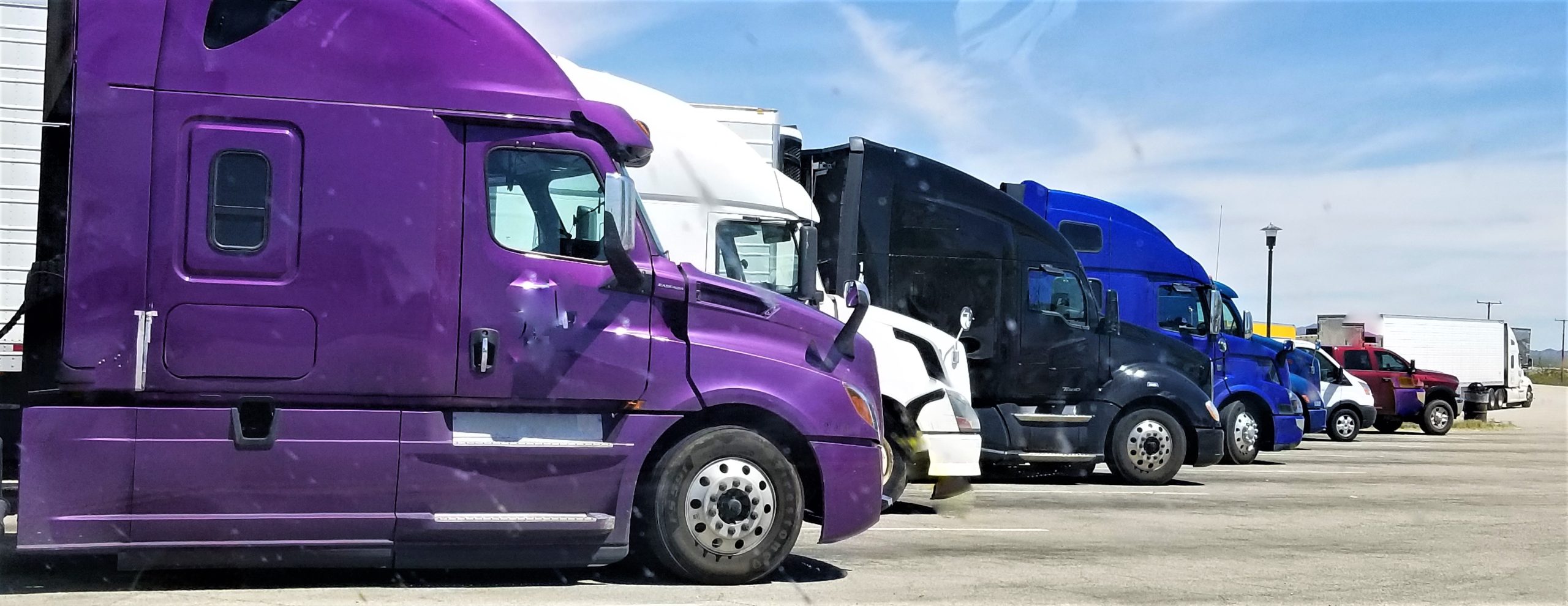
Your diesel truck is a costly investment that requires careful maintenance to keep it alive as long as possible. Preventative maintenance is the secret to effective fleet management because it directly affects your bottom line by reducing downtime, maximizing your miles per gallon, and extending the life of your equipment.
Professional diesel repair technicians possess the expertise it takes to comprehend intricate systems that make your semi truck operate at optimal levels. Their expertise converts ordinary maintenance into an exact procedure, preventing such crippling disasters like rendering your business idle for days or weeks.
Initiating proper maintenance schedules involve more than simply creating a manufacturer’s spec and putting it into schedule form—it’s about tailoring the guidelines to suit your operating conditions. Whether you’re running in harsh conditions or on typical streets, when you create maintenance schedules, it can be the difference between keeping your truck truckin’ for years to come and having to pay exorbitant amounts of semi truck repair.
Understanding Preventative Maintenance for Diesel Trucks
Having a preventative maintenance routine is a methodical way of keeping your heavy-duty trucks in top shape all the time. Rather than waiting for something to malfunction, this preventive strategy entails routine checks, replace and repairs.
Why Diesel Repair Experts Advise Preventative Maintenance
Regular maintenance is the remedy for preventing expensive engine failure that calls for expensive emergency repairs, as advised by diesel repair experts. For instance:
A properly kept cooling system keeps you from overheat and saves your engine block.
Regular oil changes prevent bearing damage before it even occurs.
Regular filter replacement gives clean air and fuel.
The Advantages of Regular Heavy-Duty Truck Maintenance
Following the recommended schedule of the manufacturer for maintenance can impact your trucks significantly. Here are some advantages you can expect:
More fuel efficiency: Cleaned filters and properly set parts ensure your trucks consume less fuel.
Fewer downtimes: Identifying problems when they’re still not serious means avoiding unanticipated breakdowns that leave your trucks idle.
Better safety: Functional brakes and steering systems ensure your drivers remain safe on the job.
Longer-lasting parts: Maintenance of your trucks’ parts ensures they last longer, which saves you money in the long term.
The Effect of Not Staying Up with Maintenance on Your Truck’s Profitability
Your profitability is established by how many days your truck spends out on the road. If you don’t stay up with maintenance schedules, small issues become catastrophic breakdowns that leave your vehicle stranded for days or weeks. That takes a direct toll on your profit levels.
By understanding the value of preventative maintenance and its advantages, you can make informed decisions on how to maintain your diesel trucks and unleash their profit potential.
Major Maintenance Milestones Introduced by Diesel Repair Specialists
Professional diesel technicians stress the timely implementation of required maintenance work to keep your truck running in order. Oil change periods differ radically according to operating conditions – heavy-duty use calls for every 10,000-15,000 miles. In contrast, duty trucks can reach as high as 55,000 miles on Volvos or 60,000 miles on Freightliners.
Bi-annual battery care keeps you from suffering unforeseen roadside breakdowns that leave you stranded. This easy checkup detects eroding connections and fading capacity before they require expensive repairs.
Annual air filter replacement is required, with air dryer filters replaced before winter weather to provide maximum engine performance in poor weather. Clean filters ensure proper airflow and keep your engine free from contaminants.
Coolant filter replacement every 500,000 miles keeps your cooling system in top shape. While this costs a whopping $250, it saves costly engine damage running into thousands and lost workdays.
Critical Component Checks and Replacements at Milestone Mileage
Reaching specific mileage milestones triggers essential maintenance tasks that keep your diesel truck running efficiently.
150,000 miles
- Valve adjustment becomes critical at the 150,000-mile mark, ensuring optimal engine timing and performance.
- During this same interval, you’ll want to replace your power steering fluid and filter to maintain smooth steering operation.
- Your DEF system service also requires attention at 150k miles to keep emission standards in check. This includes servicing the AHI module and cleaning the seventh injector, which are vital for proper diesel exhaust fluid operation.
250,000 miles
- DPF cleaning presents an interesting reality check – while manufacturers recommend cleaning around 400,000 miles, real-world conditions often necessitate this service closer to 250,000 miles. Your driving conditions and duty cycle directly impact when this expensive component needs attention.
500,000 miles
- Transmission fluid change is on a strategic plan: change the oil every 500,000 miles and the filter every 250,000 miles. This staggered plan maximizes transmission life without wastage.
- Heavy-duty uses are enhanced by straight 50-weight oil, with 75-80 weight fluids being suitable for regular operations.
Preventing Wear and Tear through Regular Inspections
Diesel trucks require regular inspections to keep them in good condition. These help to pick up potential issues before they become expensive repairs. Some of the most important inspections to incorporate into your maintenance program are as follows:
Annual Three-Axle Alignment
Performing a three-axle alignment every year is essential to avoid uneven tire wear patterns. This proactive measure can save you thousands of dollars in premature tire replacements while also ensuring optimal fuel efficiency throughout your fleet.
Standard Practice: Accessory Drive Belts Inspection During Oil Changes
It’s a good idea to examine accessory drive belts at every oil change. Check for fraying, cracking, or wear on tensioners that will result in a sudden failure of the belt and leave you stranded. These brief visual checks take only a few minutes but reward you with hours of saved downtime.
Prevents Damage to Power Dividers: Diff Oil Change Every 250,000 Miles
Every 250,000 miles, it’s important to change the diff oil to protect your power dividers from expensive damage. This relatively inexpensive maintenance step can prevent differential failure that may keep your truck off the road for days and lead to repair bills totaling thousands of dollars.
Addressing Emission System Challenges in Semi Trucks
As your truck does its mileage, maintenance of the SCR system is more important than ever. Breakdowns will take place between 300,000 and 800,000 miles. Average replacement of the SCR (Selective Catalytic Reduction) system around 650,000 miles is advisable according to diesel repair technicians, although some break down earlier at 300,000-400,000 miles.
The Impact of EGR Cooler Failure
EGR cooler failure diagnostics have revealed that the primary cause of premature emission system breakdowns is often the EGR cooler. When this component fails, it sets off a chain reaction that negatively impacts the performance of the entire SCR system. Additionally, turbo failures also play a role in these cascading emission system issues.
The Benefits of Complete Assembly Replacement
Smart operators would rather replace the whole SCR box assembly rather than components. It is heavily cost-effective versus repairing on an individual case-by-case basis. Your emission system life heavily depends on repairing root causes like EGR cooler problems in advance of when they lead to expensive downstream failures.
Importance of Ongoing Monitoring
By performing frequent checks on your emission system components, you can identify telltale signs of trouble before they turn into problems. This is a preventive measure that spares you the astronomical expense of roadside repairs and puts you in line with environmental regulations.
Suggestions by Diesel Repair Specialists and Truck Owners
The diesel repair industry is experiencing a severe lack of experienced mechanics, which is impacting the trucking industry as a whole. This has a direct effect on the amount and availability of maintenance services, which makes it more difficult for operators to obtain qualified technicians who can effectively conduct preventative maintenance procedures that are called for by diesel repair experts.
Challenges in the Diesel Repair Industry
Industry experts are reporting growing discontent with the lack of skilled workers able to maintain sophisticated diesel systems. Repair times are growing due to the shortage, in addition to the risk of lower-quality work when inexperienced technicians do critical repair work.
Truck Operators’ Concerns
Truck operators have expressed strong desires for improved working conditions that go beyond just mechanical maintenance:
- More home time to maintain work-life balance
- Better equipment and modern facilities at service locations
- Healthier food options at truck stops and service areas
- Improved respect and recognition for their essential role in the economy
These problems in the workplace have a direct impact on maintenance decisions because operators deliberately look for service providers who have the qualifications to work through their operating challenges and time constraints.
Market Forces Influencing Maintenance Choices
The overall well-being of the trucking industry and profitability are directly tied to how operators treat preventative maintenance.
1. Rate Volatility Effect
Volatility in the market has a big impact on rates, creating erratic streams of income for easy budgeting of vital maintenance service. As freight rates decline, it proves challenging for most operators to cut hard choices between outright repairs and planned preventative maintenance.
2. Regional Impacts
Regional factors are extremely influential in maintenance planning. There are many regions with varying over-the-road versus regional hauling rates, and it varies where operators decide to make their stops for maintenance. Varying regions have varying availability of parts, with longer waiting times in some regions for critical components.
3. Role of Negotiation with Brokers
Negotiation with brokers in the trucking industry becomes essential when operators need to balance maintenance schedules with load commitments. The ongoing discussion about brokers’ cuts highlights how profit margins directly impact maintenance budgets. While brokers’ earnings disclosure may be unnecessary, their reduced cuts could free up more capital for operators to invest in proper truck maintenance and care.
The Role of Birmingham Mobile Semi Repair in Supporting Truck Maintenance Needs
When maintenance challenges arise on the road, mobile semi repair services offered by us here at Birmingham Mobile Semi Repair can act as your lifeline. We operate with a 24/7 commitment to keeping your diesel trucks running, understanding that breakdowns don’t follow business hours.
We at Birmingham Mobile Semi Repair bring the repair shop to you, whether you are broken down on some isolated road or require emergency repair on a loading dock. Our off-road recovery services help you address even the most difficult breakdown situations, minimizing the expensive downtime that can ruin your working schedule.
The mobile service model addresses the industry’s shortage of qualified mechanics by bringing experienced professionals directly to your location, eliminating the need to search for available repair facilities in unfamiliar territories.
Choose Birmingham Mobile Semi Repair
The diesel repair industry’s preventative maintenance schedule guidelines presented in this article are the results of decades of industry experience and hard-won wisdom. These schedules are more than recommendations—they’re your guide to squeezing every ounce of life out of your truck, reducing surprise breakdowns, and safeguarding your investment.
Adhering to manufacturer-specified periods of oil change, battery maintenance, valve adjustment, and emission system service is a basis for consistent performance. Skipping or postponing those important services due to market forces is putting your career at risk. The cost of preventive maintenance always seems less than the cost of costly component failures or prolonged downtime.
The trucking industry is greatly affected, from a shortage of mechanics to fluctuating freight rates. Such is the state that makes it all the more necessary to work with a trustworthy service provider. You need a team that understands the necessity of getting your truck running and the technology of modern diesel engines.
We at Birmingham Mobile Semi Repair stand ready to support your maintenance needs with professional expertise and round-the-clock availability. Whether you need routine preventative service or emergency roadside assistance, our commitment to quality workmanship ensures your truck receives the care it deserves.
Don’t wait until your truck breaks down to prioritize its well-being. For trustworthy semi truck repair or speedy roadside assistance, contact Birmingham Mobile Semi Repair today at (307) 922-1966. Your comfort and peace of mind on the road are our top concern.