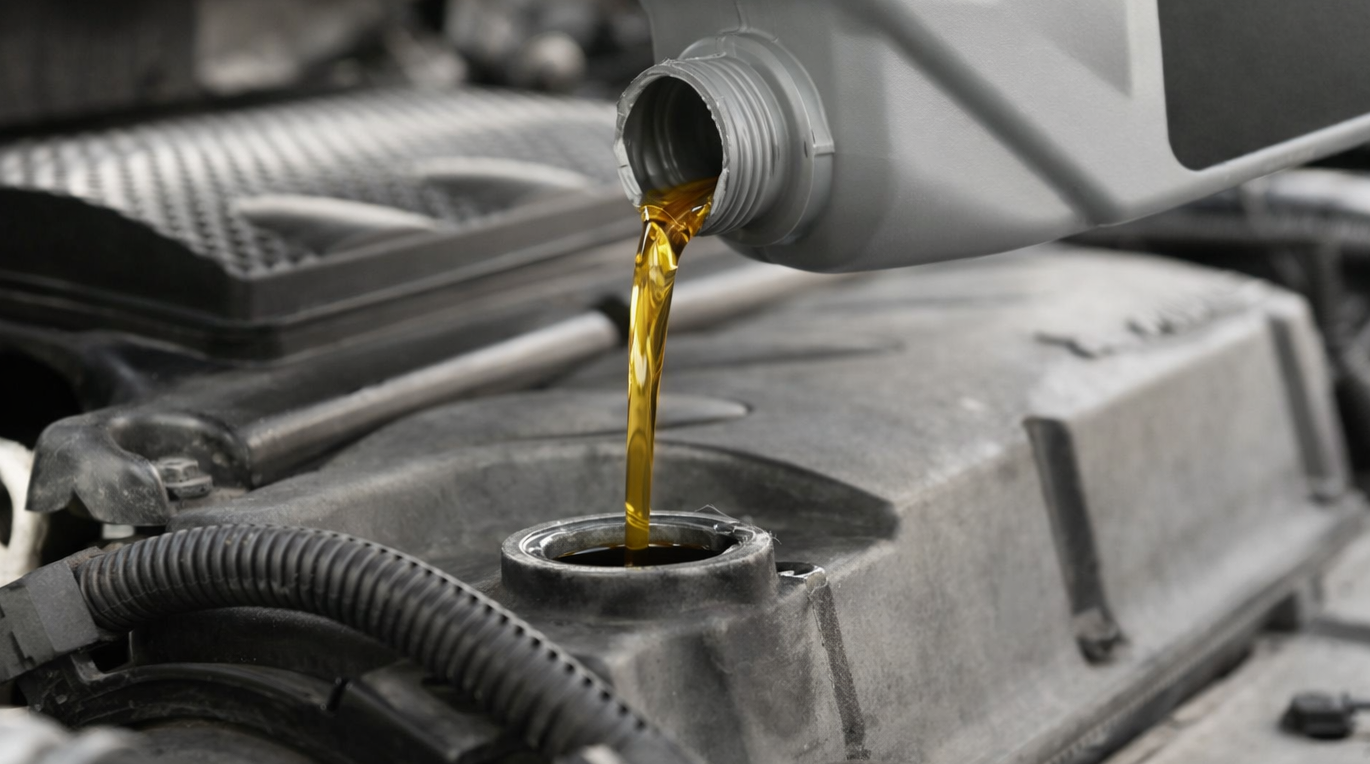

Your truck’s engine oil plays a very vital role. It prevents metal components from grinding against one another, cools down the engine, and maintains its cleanliness.
Making smart choices about your truck’s lubricants can:
Make your engine last longer by preventing wear
Save you money on fuel with the right oil thickness
Lower maintenance costs by avoiding engine damage
Boost engine performance in different temperatures
We know that picking the right oil for your semi truck can be tough. As industry experts who work with many fleet managers and truck owners, we’ve seen how good lubrication choices can lead to longer-lasting and better-performing engines.
Understanding Semi Truck Oil Basics
Your semi truck’s engine oil serves three critical functions:
Friction Reduction: Acts as a protective barrier between moving metal parts
Heat Management: Carries heat away from engine components
Engine Cleaning: Contains detergents that keep your engine free from harmful deposits
Let’s break down the common viscosity grades you’ll encounter for your diesel engine:
1. 15W40 Oil
This multi-grade oil contains special viscosity improvers (polymers) that maintain consistent performance across various temperature ranges. It’s a trusted standard in the trucking industry.
2. Additional Viscosity Options
- 10W30: Lighter viscosity for improved fuel economy
- 5W40: Enhanced cold-start protection
- 530: A new multi-use oil compatible with both gas and diesel engines
The numbers in these viscosity grades tell you how the oil performs:
- The first number (like 15W) indicates cold temperature performance
- The second number shows the oil’s thickness at operating temperature
These viscosity options give you flexibility in choosing the right oil for your specific operating conditions. Your choice depends on factors like:
- Local climate
- Engine specifications
- Operating conditions
- Manufacturer recommendations
Conventional vs. Synthetic Oil: What’s Best for Your Semi Truck?
Recent government regulations for reducing emissions have made conventional oils less popular. Now, synthetic oils are taking over the market – and for good reasons.
Why Choose Synthetic Oils?
Synthetic oil comes with many advantages that make it ideal for semi trucks. The molecular structure of synthetic oil delivers better performance consistently, and extended longevity means reduced wear on the engine in the long run. Synthetic oil offers improved cold-start lubrication, reducing the wear of the engine while driving under subfreezing conditions.
Their lower viscosities also deliver better fuel economy, and as such, they are the operator’s best option when efficiency is a requirement. Extended drain intervals are one of the most compelling selling points, in that they mean less downtime and maintenance expense for fleet operators as well as for truck owners.
Does your older truck have separation or leaking issues? Synthetic oils might be your best solution. These oils come with stronger additive packages, providing extended protection for aging engines.
Benefits for Large Fleet Operators
Large fleet operators can maximize their synthetic oil investment through purification systems. These systems clean and test the oil, creating significant cost savings while maintaining optimal engine protection.
Pro Tip: Handling Leaks Effectively
When dealing with leaks, stick to the same product or an equivalent quality branded option. Switching between different viscosities can dilute the synthetic properties and reduce effectiveness. Your safest bet? Keep an eye on your OEM’s viscosity recommendations for the best engine protection.
Semi Truck Oil Maintenance
Your semi truck’s performance and longevity are directly dependent on good oil maintenance. The following will inform you how to keep your engine oil in good condition:
Oil Change Intervals
- Manufacturer research supports oil changes every 35,000 to 50,000 miles
- These intervals apply under normal operating conditions
- Your specific needs may vary based on the operating environment and load types
Inactive Truck Considerations
- Oil deterioration can occur even when your truck isn’t running
- Water condensation builds up in stationary engines
- Dust and debris find their way into systems during extended parking
- Change your oil after 12 months of inactivity – it’s cheap insurance for your engine
Shop Handling Best Practices
- Clean storage conditions preserve oil quality
- Proper oil handling prevents contamination
- Watch for:
- Open containers
- Dirty dispensing equipment
- Cross-contamination between different oil types
- Exposure to environmental elements
Quality Control Measures
- Regular oil analysis helps track contamination levels
- Purification systems can extend oil life for large fleets
- Professional shops maintain strict cleanliness protocols
- Clean storage and handling practices prevent costly engine damage
Your semi truck’s oil system needs consistent attention to detail. Experience mechanics handling the oil keeps your engine well guarded.
Tips for Choosing and Utilizing Successful Semi Truck Lubricants
When choosing the proper lubricants for your semi truck, it would be ideal to follow OEM specifications for best performance. The following are what you should know when making wise lubricant decisions:
1. Viscosity Compatibility
- 15W-40, 10W-30, and 5W-40 oils are compatible with most diesel trucks
- Viscosity differences remain minimal across the continental US temperature ranges
- Switching between viscosities can dilute synthetic properties – stick to one type
2. Warranty Protection
- Following OEM recommendations safeguards your warranty coverage
- If considering alternative oils, verify they meet the manufacturer’s specifications
- Document your oil choices and maintenance schedule
3. Dealing with Leaks
- When facing engine leaks, locate the exact same product you’ve been using
- If unavailable, choose an equivalent quality branded product
- Avoid switching to lower-quality alternatives that might worsen the issue
4. Product Consolidation
- Consider using multi-grade oils compatible with your engine type
- Look for products that meet multiple manufacturer specifications
- Simplify your maintenance routine without compromising performance
Your lubricant selection is entirely responsible for your truck’s efficiency and longevity. Choosing professionals that are capable of guiding you through such types of choices in terms of warranty acceptability and maximum engine protection.
Birmingham Mobile Semi Repair: Your Reliable Partner in Diesel Repair Services Anytime, Anywhere!
Your semi truck is valuable to professional maintenance when you need it most. We at Birmingham Mobile Semi Repair bring professional repair expertise to you. Our professional experts carry out all categories of heavy-duty truck maintenance, ranging from immediate roadside help to full repair solutions.
Our Mobile Semi Repair Services include:
- 24/7 Emergency roadside assistance
- Heavy-duty vehicle repairs
- Off-road recovery
- Heavy load transportation
We know time is money in trucking. That is why our expert technicians possess the best equipment and expertise to have you on the move again in no time. Whether you are having lubrication issues, engine problems, or any other mechanical problem, you can rely on the services of our team day and night.
Choose Birmingham Mobile Semi Repair
Choosing the correct semi truck lubricants will have a positive effect on the performance and longevity of your vehicle. Professional guidance from qualified technicians walks you through the decision process of oil selection and maintenance in an attempt to keep your truck in top operating condition.
Ready to optimize your semi truck’s lubrication system? Our team at Birmingham Mobile Semi Repair brings you:
Professional expertise in semi-truck lubricants
24/7 availability for emergency repairs
Reliable solutions to minimize costly downtime
Don’t let oil-related issues slow you down! Call us today at (307) 922-1966 for expert assistance with your semi truck lubrication needs or any heavy-duty repairs. Trust us at Birmingham Mobile Semi Repair to keep your truck running smoothly, mile after mile.