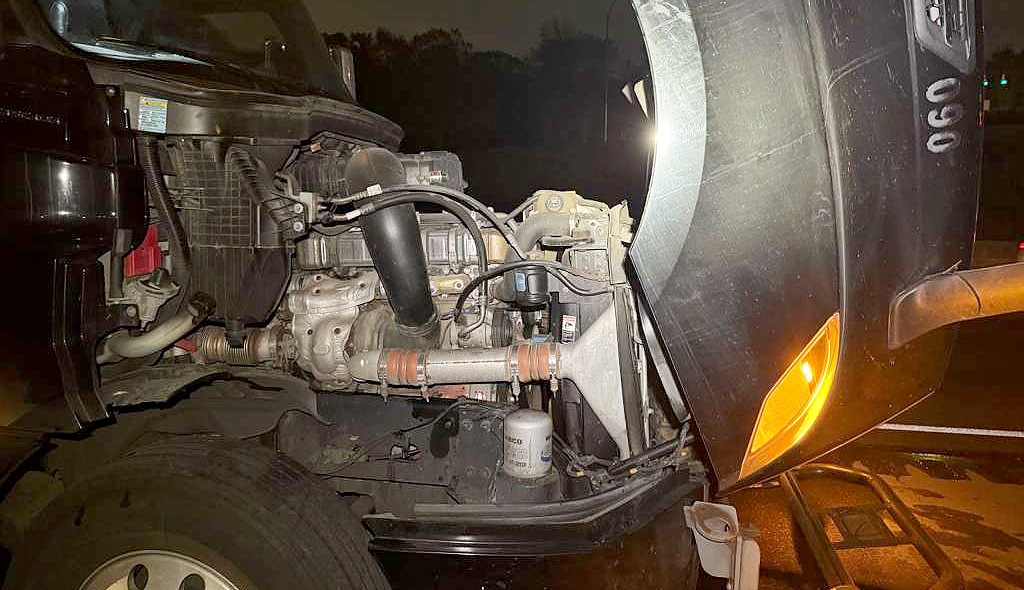

Fleet management involves more than solving any issue that arises. It is crucial to avoid issues and accidents while keeping your driver safe from any surprise expenses. Birmingham Mobile Semi Repair will help you ensure that your fleet runs without complications. That means making fewer road calls, delivering goods and services on time, and doing maintenance before things become critical.
If you manage multiple units or even just one hard-working truck, the goal is the same. You want a maintenance system you can trust, with clear intervals, fast turnaround, and good records that make decisions easier.
What “Consistent Uptime” Really Comes Down To
Most downtime patterns are predictable. Trucks rarely go from “perfect” to “dead on the shoulder” without leaving clues. Consistent operation is usually the result of a few basics done well:
- Regular inspections that catch wear early
- Preventive service is scheduled around your routes, not around failures
- Quick diagnostics when something feels off, before it becomes a bigger repair
When we talk with fleet managers, the common thread is simple. They are not looking for perfection; they are looking for reliability and fewer surprises.
Preventive Maintenance That Matches How You Actually Run
A generic service interval is rarely enough. Two trucks can have the same mileage and completely different wear depending on idle time, load weight, terrain, weather, and driver habits. That’s why a solid fleet maintenance service builds a plan around real use.
At Birmingham Mobile Semi Repair, we typically align maintenance scheduling with your operating reality. If your trucks rack up long highway miles, we pay close attention to tire wear patterns, alignment, and oil change intervals based on duty cycle. If you do regional work with frequent stops, we focus more on brakes, cooling performance, and electrical health.
The point is to build a plan that prevents common failures in your specific operation, not someone else’s.
The Areas That Cause The Most Unplanned Downtime
When trucks go down unexpectedly, it usually traces back to a short list of systems. You can save a lot of headaches by treating these like “no-excuses” inspection items every cycle.
Brakes And Tires
The brake components wear out faster with increased loads, changed routes, and frequent driving in stop-and-go traffic. Tires can indicate a lot of other problems as well, such as poor alignment, worn suspension, and improper tire pressure. Ignoring all these factors will result in blowouts, delays, and extra expenditures on tires.
Cooling System And Hoses
Overheating is one of those problems that can ruin your day and your engine. Coolant condition, hose integrity, clamps, and leak checks matter more than most people think, especially when seasons change.
Batteries, Charging, And Electrical
Electrical failures are among the most bothersome ones. Problems with batteries, corroded connections, and insufficient charging will only worsen and lead to the truck not starting and being abandoned on the road somewhere. Checking the battery voltage and making sure all the connections are clean and tight helps a great deal.
Fluids, Filters, And Leaks
Problems with oil leaks, coolant seepage, and fuel systems should not be ignored, as they may cause engine damage and result in having to replace entire engine components rather than fix seals.

Building A Fleet Maintenance Schedule Your Team Can Follow
A plan only works if it’s easy to execute. For many fleets, the real challenge is coordinating service windows without disrupting deliveries. We like to keep scheduling simple and repeatable, with intervals your team can remember and your shop can plan for.
Here’s what we usually recommend focusing on in your rhythm:
- Set a consistent inspection cadence tied to mileage and time, not just “when it feels due.”
- Use driver feedback as an early warning system by encouraging quick write-ups for new noises, vibrations, warning lights, or performance changes.
- Standardize what gets checked every visit so nothing gets skipped when things are busy.
When maintenance is structured, you get better budget predictability and fewer “we didn’t see that coming” repairs.
Why Records And Reporting Matter More Than People Expect
The reason why the maintenance records play an important role in fleet management is that they help to track recurring failures, compare truck performance, determine replacement intervals, etc. Furthermore, such records will help in decision-making regarding whether or not the repair is required or whether the truck should be decommissioned.
Moreover, good records will assist when different people are working on the same truck, as everyone will know what needs to be done. Moreover, repairs will be based on evidence and not guesses.
Choosing The Right Fleet Maintenance Service Partner
When you are selecting a shop to work with your fleet, look for one that will communicate with you, helping you to plan ahead. A good shop should provide clear information about the urgency of particular works, as well as the possible consequences of delaying those works.
Here are some practical questions we suggest fleets ask:
- How do you handle preventive maintenance scheduling and reminders?
- Can you document inspections and repairs in a way that’s easy for our team to track?
- What’s your process for diagnostics when a problem isn’t obvious?
- How do you communicate repair approvals and timelines?
A good maintenance partner should make your life easier, not add more follow-up work to your plate.
Let’s Keep Your Trucks On The Road
If you are looking for a way to reduce vehicle breakage, have more predictable maintenance costs, and reliable trucks that will be ready to serve you each time, we are here to help you. Call us at (307) 922-1966 and speak with our pros here at Birmingham Mobile Semi Repair.