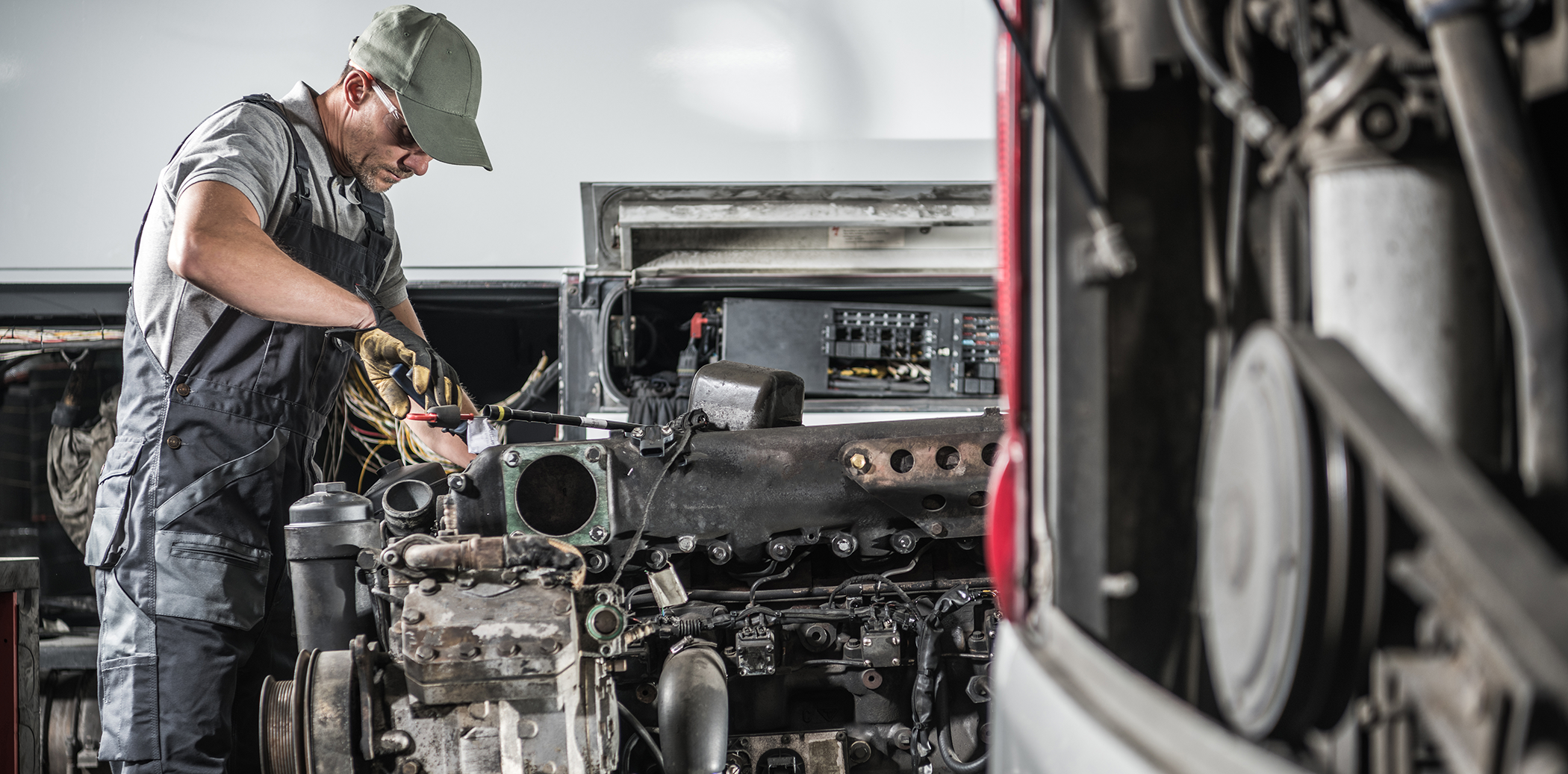
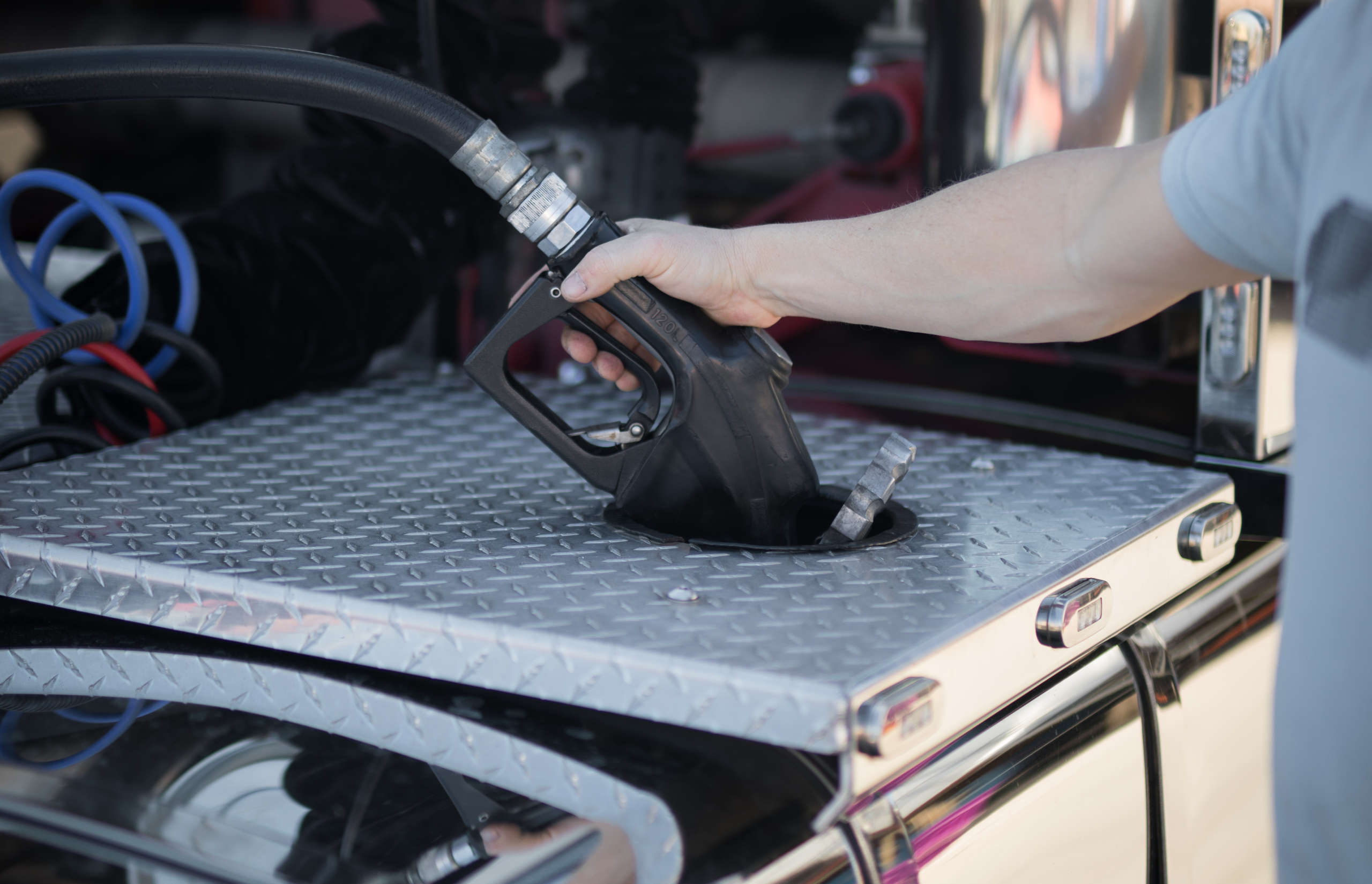
Is anywhere good for getting fuel? While it may be easy to stop for a quick fill-up at an unrecognized truck stop, bad fuel can ruin your semi truck’s fuel injector system. The performance of your rig is greatly determined by the quality of the diesel being used. Engine contamination or inferior quality fuel use not only ruins the present journey but also triggers a whole set of problems that might even lead to you being stranded on a lonely road.
The quality of the fuel used is usually the main culprit behind the injector defects in heavy-duty trucks. When the fuel contains dirt, moisture, or other impurities, it will eventually cause a failure of these sensitive parts, leading to rough idle, reduced power, and poor burning as outcomes. A small power cut can, in no time, grow into a major diesel repair crisis if not attended to.
The major surprise? If you ignore these indications, the bill for fixing the problem will be much higher than expected. Unlocking and correcting injector problems early can result in savings worth thousands of dollars, and you will be operating instead of getting stuck with a faulty truck.
The Relationship between Bad Fuel and Fuel Injector Problems
Bad fuel will not simply pass through the fuel injector system without inflicting some degree of harm on its way. The engine parts, which were originally intended to have very long lives and to be worked upon very strictly, have their lives cut short through the particles, water, and other impurities that are introduced by the bad fuel, which interrupts the process. The injectors also depend on clean fuel to retain their spray pattern and timing, but the bad fuel causes particles, and even water and other impurities, to be introduced, which disrupts this vital process.
The problems will get noticed by you very soon. Rough idling of your engine could be one of the signs, as it would be unable to keep its low-speed rhythm at all times. A significant drop in RPMs is observed- in our case, the truck was hardly reaching 35 at idle and only hitting 45 under throttle when it should have been 65. These signs indicate that there is a serious issue with the delivery of fuel.
The real danger lies in physical damage to your injector tip. We’ve seen firsthand how a chipped or broken injector tip transforms your engine’s behavior. The little piece of missing metal may not seem like a big deal, but it is what causes your injector to pour too much fuel into the cylinder. Instead of the exact mix that is required for efficient burning, you are getting overfuelling, which results in rough burning conditions and also leads to diesel wastage.
These types of fuel injector issues don’t fix themselves. The broken tip continues dumping fuel, creating inefficient combustion that affects engine performance and can lead to more extensive diesel repair needs if you don’t address it promptly.
Diagnosing Injector Problems in Semi Trucks
In case you suspect there is an injector problem in your machine, then accurate diagnostics will differentiate between a quick fix and prolonged downtime. The cutout test is used as your primary weapon in identifying problematic injectors. During this test, the technicians disable the injectors one by one and observe the performance of the engine at the same time. If there is no response from the engine when one specific injector is cut out, then that is your culprit – that injector is not doing its job in the combustion process as it should.
The real detective work begins when you take out the injectors and they are sent for inspection. Injector cups and injector o-rings should always be closely scrutinized during a diesel repair. The copper cups (especially in pre-EGR D12 engines) come with built-in crush washers that seal compression, and they are famous for getting worn out with time. While checking these components, you are looking for:
- Cracked or corroded injector cups that compromise sealing
- Worn or hardened o-rings that no longer maintain proper pressure
- Signs of fuel leakage around the injector seats
- Damage to sealing surfaces
Here’s something interesting: sometimes one failing injector can mask another problem. When two injectors appear faulty during cutout testing, replacing the obviously damaged one might reveal that the second was just reacting to the first’s malfunction. That is the main reason why experienced technicians in semi truck repair always check every single part separately before they agree to a bunch of replacements. New injector cups and O-rings will give the fuel system the tightness it has been missing, so the engine will be operating at the right specifications again.
The Bad Fuel Effects Beyond Injectors
The bad fuel not only affects the injectors but also the whole engine system negatively, as it creates a chain reaction. The D12 case proved that contaminated fuel caused vibrations that traveled through the engine, and more components that should have been stable got worn out. These vibrations are not just highly irritating, but also the engine is sending out signals that it is having difficulties in keeping the combustion and balance right.
The Fuel Quality and Reliability Relationship
Most drivers are not aware that the link between fuel quality and the reliability of their semi trucks is deeper. Using bad fuel from the gas stations you are not sure about will be a risk to your truck’s health. The contaminated fuel brings with it the particles and impurities that hinder the working of the precision components, which are designed to work under very tight tolerances.
The fuel system, starting from the pump to the injectors, requires clean fuel for proper operation. Any presence of water, debris, or other contaminants in that fuel will leave the entire fuel delivery system to suffer.
The Cascading Costs of Ignoring Fuel Quality
The real danger lies in the escalating expenses. What starts as a fuel quality problem quickly turns into multiple repair needs. You might begin with a simple filter replacement, but before long, you’re facing:
- Failed fuel pumps are struggling to push contaminated fuel
- Damaged injector cups and O-rings requiring replacement
- Engine performance issues affecting your RPMs and power output
- Increased wear on related engine components from improper combustion
Ignoring these early warning signs turns a manageable diesel repair into a major overhaul. The D12 in our case study demonstrated this perfectly, two trucks fueled at the same location, both experiencing problems, but one needing significantly more extensive repairs due to the cumulative damage from bad fuel exposure.
Preventative Measures and Maintenance Tips
You can save yourself from headaches like broken injector tips and costly downtime by being strategic about your fuel sources and maintenance schedule. Prevention beats repair every time.
Choosing Your Fuel Wisely
Not every truck stop is the same. It is advisable to fill up at reputable places with high turnover- busy stations tell you that the fuel is fresher and the number of microorganisms in the storage tanks is lower. Questionable roadside stops should be avoided, especially after storms when water contamination is a real concern.
Maintenance Routines That Are Really Effective
Your fuel filters are the first barrier against polluted diesel. Follow the manufacturer’s schedule for changing them, not when you “think” they need replacing.
Keep these diesel repair essentials on your radar:
Fuel filter changes every 10,000-15,000 miles or as recommended
Injector inspection during routine service intervals
Injector cup and o-ring replacement when you notice fuel leaks or performance drops
Regular fuel system diagnostics to catch problems before they escalate
Early detection of the problems of your semi truck is one aspect of maintenance that will save you money in terms of repairs and time. Quality fuel is an investment, so following your maintenance schedule means you are protecting not only your diesel but your engine and your finances as well.
Birmingham Mobile Semi Repair’s Expertise in Handling Fuel-Related Issues
When fuel injector issues strike your semi truck, you need a team that understands the complexity of diesel repair from diagnosis to resolution. At Birmingham Mobile Semi Repair, we’ve built our reputation on solving challenging problems like the fuel-related injector failures described in the case above.
Our service capabilities include:
24/7 emergency response – We’re available around the clock because breakdowns don’t follow business hours
On-site mobile semi repair – Our fully-equipped service vehicles come to you, whether you’re stranded on the highway or at a truck stop
Expert diagnostics – We perform thorough cutout tests and injector inspections to identify the root cause of fuel injector issues
Complete repairs – From replacing broken injector tips to installing new injector cups and o-rings, we handle every aspect of the repair
Choose Birmingham Mobile Semi Repair
Your semi truck deserves expert care, especially when fuel quality issues threaten your livelihood. Bad fuel prevention starts with smart choices at the pump, but when problems arise, professional diesel repair services make all the difference. The case we walked through shows exactly why accurate diagnostics matter- what seemed like multiple issues traced back to contaminated fuel and a broken injector tip.
Don’t let fuel-related problems keep you stranded or drain your wallet with escalating damage. When you need reliable semi truck repair services that come to you, we at Birmingham Mobile Semi Repair are ready to roll. Our technicians have the experience to diagnose complex issues quickly and get you back on the road safely.
Do you get your fuel from just anywhere? Bad fuel can cause injector issues! Remember this the next time you’re at the pump. When trouble strikes, call (307) 922-1966 for 24/7 support wherever the road takes you.