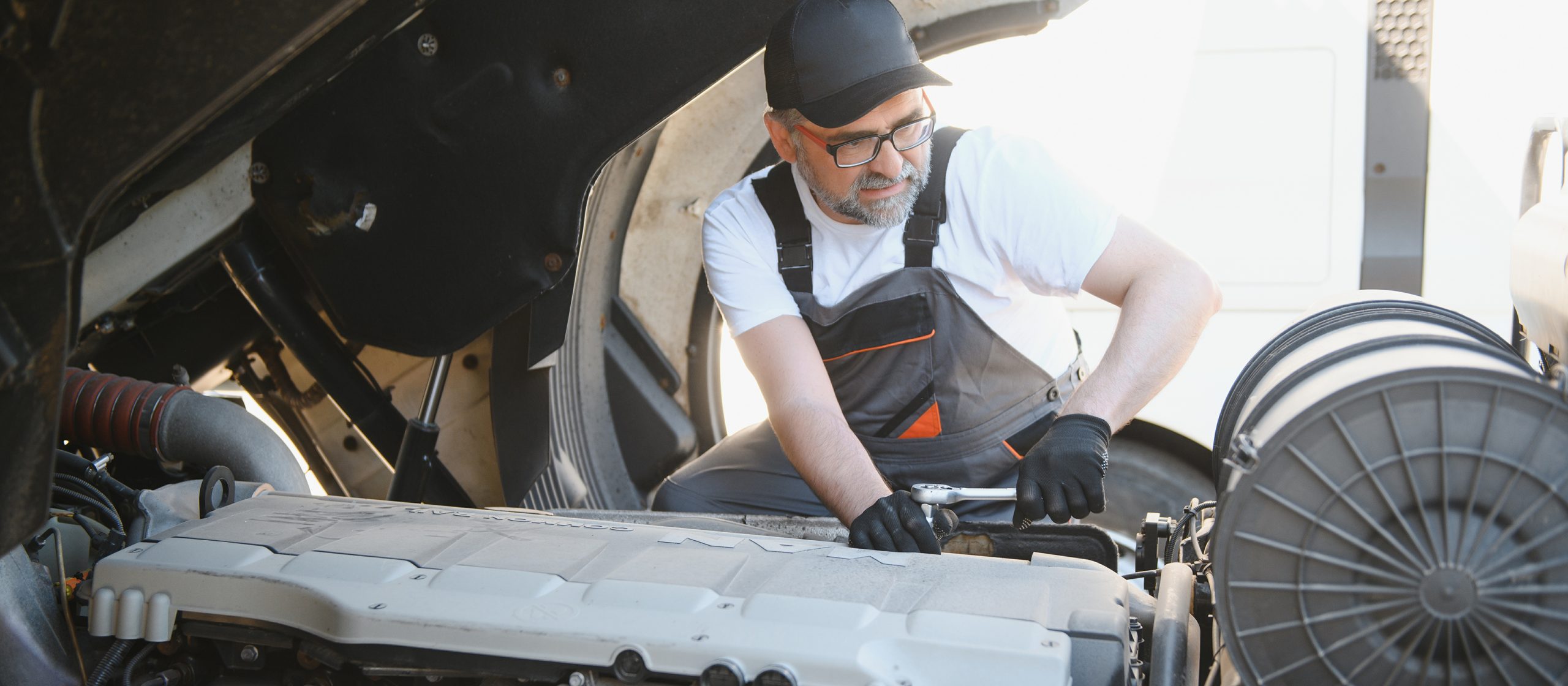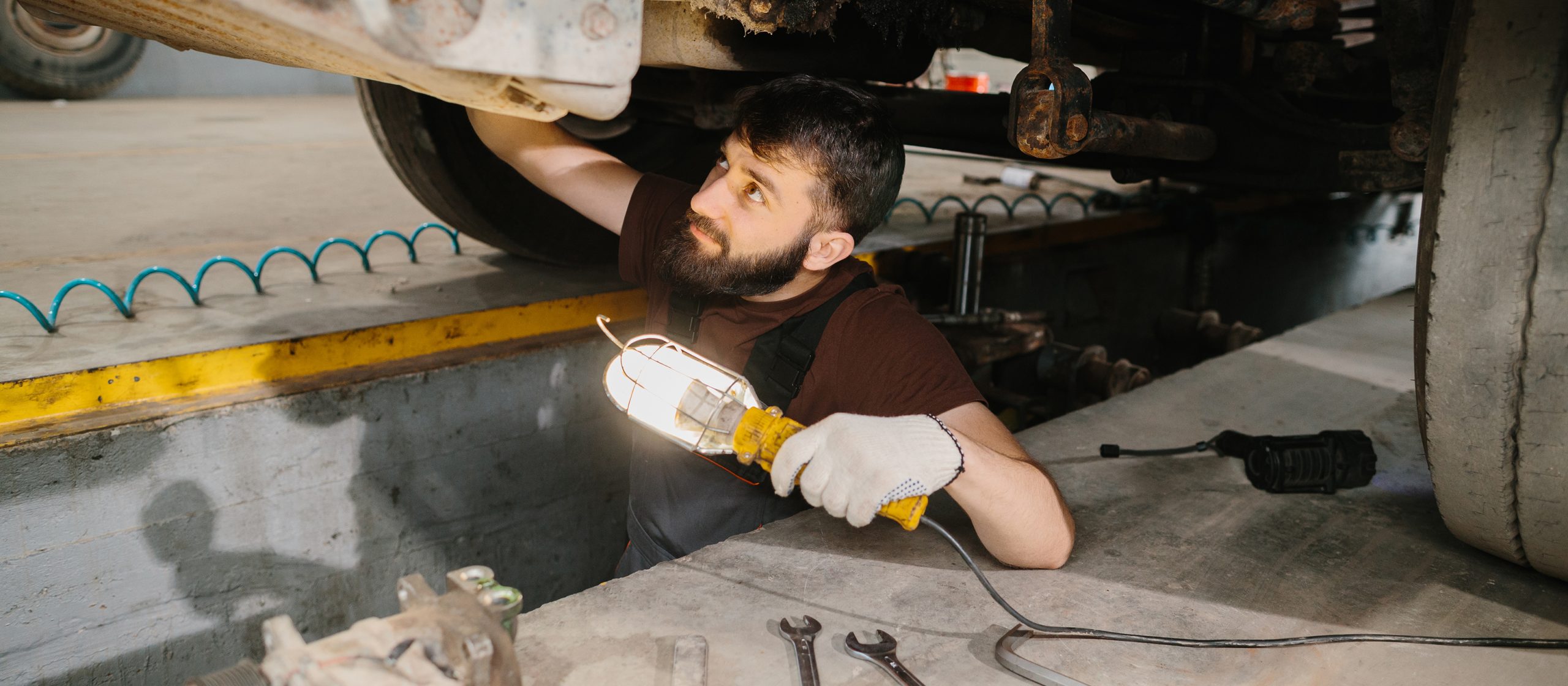
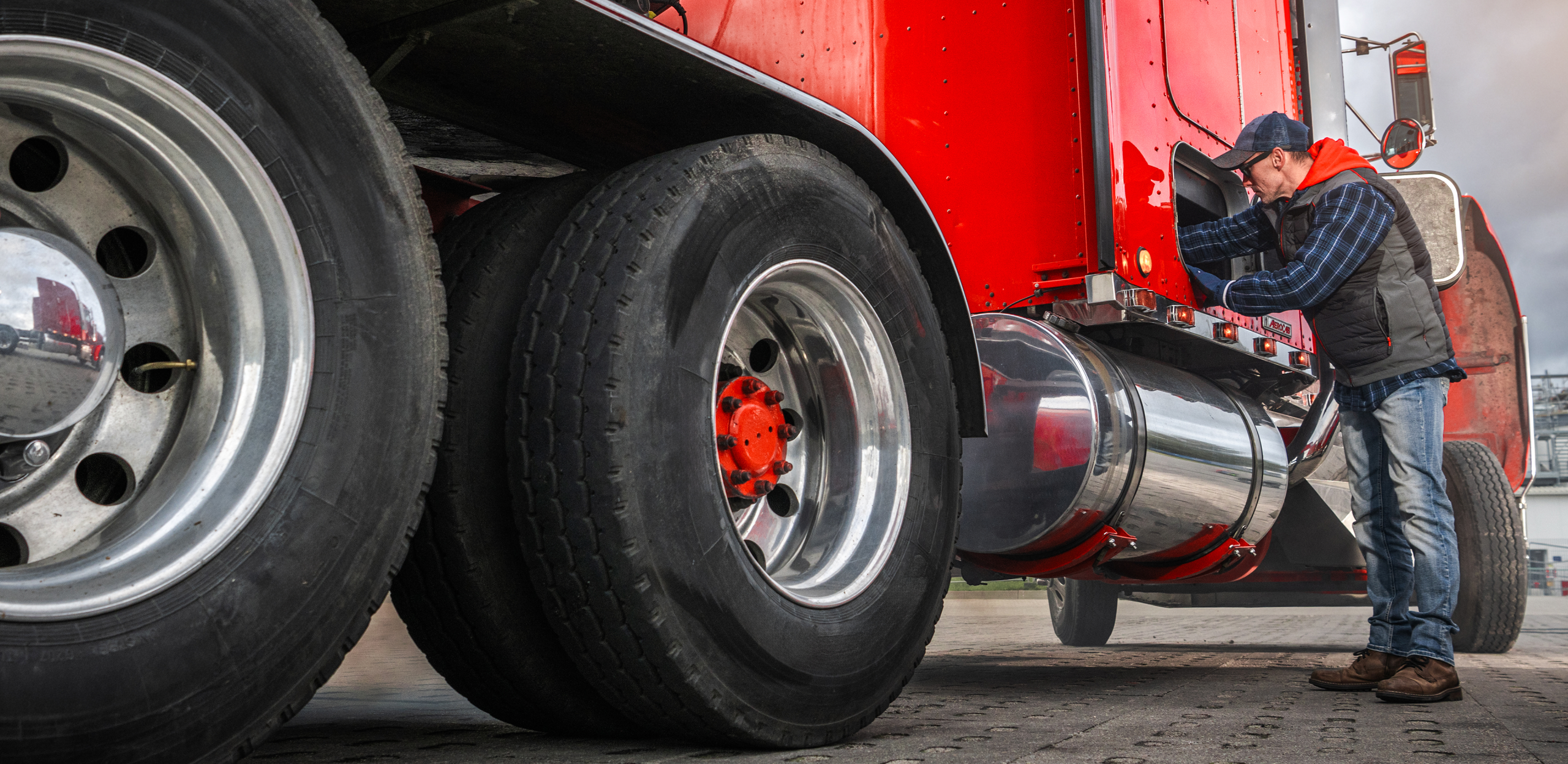
A semi sitting in a yard with a no-start isn’t automatically headed for a tow truck. We may be able to do the repair there. The same goes for a number of air, electrical, and cooling problems. That’s the reason to call about mobile truck repair before assuming everything has to go into a bay.
At Birmingham Mobile Semi Repair, we’d first want a picture of the situation, not necessarily a photo. Where is the truck, what happened, and can anyone safely work beside it? It’s the last question that sometimes changes the answer. Plenty of space in a firm, level yard is one thing. Traffic inches away on a shoulder is quite another.
Tell Us What Happens At The Key
Nothing at all? A click? The engine turns but won’t catch? Those details matter more at this point than a driver’s guess about the starter. We can test the batteries, connections, and charging system, then follow the fault instead of replacing parts until it starts. A fuse or wiring problem may be within reach as well.
Even when a starter or alternator does need replacing, towing isn’t a given. It depends on access and getting the correct part. This is why we’ll ask about the truck and engine, and may need the VIN. Nearly the right component doesn’t get the load delivered.
That Hiss Might Be A Repair We Can Reach
A gladhand seal, damaged line, fitting, or valve may put the truck down without putting the repair out of reach. We can look into those on a mobile visit when the location allows it. Afterward, there is still testing to do. The air has to build and hold properly, and the brakes have to operate correctly.
We don’t want you driving over to meet us with low air or bad brakes. Keep it parked safely. If the spot is unsuitable, we’ll discuss recovery rather than asking you to move an unsafe truck. You can describe what the gauges show without climbing underneath to chase the leak.
A Coolant Puddle Doesn’t Tell The Whole Story
An accessible hose or clamp can be a reasonable on-site repair. But we’d ask about the temperature before deciding that’s all it needs. Did the gauge climb before the leak? How long did it run hot? A radiator with poor access or possible engine damage can put this back into shop territory. While waiting, shut an overheating engine down safely and leave the hot cap closed. Once it is cool enough, we can investigate, replace what is actually faulty, and check the repair. Merely filling it again skips the important part.
A Derate Needs More Than Clearing The Message
We’d like the wording off the dash and any fault codes available. Fuel restrictions, sensors, and aftertreatment faults can produce drivability trouble, and some can be dealt with outside a shop. The diagnosis decides that, along with tools and parts. Codes give us somewhere to start, not a guaranteed parts list. A regen also has to be appropriate for the fault and safe at that location; it isn’t something to keep trying because the truck won’t pull.
Not Every Stop Is An Engine Problem
Lights, tires, and other safety defects can stop the trip without stopping the engine. Don’t leave those out of the call. If it’s a tire, a safely obtained size and wheel position help us work out what assistance is required. Confirm the availability of that specific tire service, because not every mobile call includes tire replacement. An unsafe truck shouldn’t be driven to a shop just to avoid discussing the defect.
There Is A Limit To Parking-Lot Work
We can’t bring an alignment rack along. Major internal repairs and jobs needing substantial lifting equipment generally belong in a shop as well. A simpler job may only be waiting on a particular part, in which case diagnosis now and a return visit could make sense. We need to see what we’re dealing with before choosing.
The ground and traffic still get a say. Even a small job can be impossible to do safely on a bad shoulder. Moving elsewhere is an option only when the truck can be moved safely; otherwise it’s a recovery or towing discussion.
Call With The Location, Then The Complaint
For a road call, give us directions and a mile marker or exit along with the highway. At a yard, we’ll need the address and gate instructions. Have the make, year, engine, and VIN handy, and mention the load, especially hazardous or temperature-sensitive cargo. We also need the warnings and whatever you’ve already tried.
We’ll discuss availability and the next step, then explain the findings after inspection. A completed on-site repair needs an operational check. If the job belongs in a shop, you’ll hear the reason rather than a promise we can’t keep. To discuss your truck with us at Birmingham Mobile Semi Repair in Birmingham, AL, call (307) 922-1966. Let’s find out whether that tow is necessary before you arrange it.