
The time when the temperature falls, and winter weather comes, is probably the most challenging and hardest conditions under which your semi-truck can operate. Winter maintenance performed as a proactive measure is not just suggested but absolutely necessary to keep your truck’s performance reliable when you need it the most. The difference between a hassle-free transport and being stuck on a frozen roadside often depends on the amount of preparation and care you put in before winter strikes.
The freezing cold poses particular difficulties for your diesel engine and its associated systems. The coldness causes the fluids to thicken, makes the batteries drain faster, results in condensation in the fuel lines, and imposes additional strain on every part of the truck. A diesel engine that starts easily in summer might not start at all when the temperature drops to zero.
This is where the all-around cold-weather strategies turn out to be the most cost-efficient defense against breakdowns. The right winter maintenance is a way to keep your investments, avoid expensive repairs, and have the upper hand when other trucks are waiting for a tow. Now, the exact strategies for maintenance that can make your semi-truck invincible even in the worst winter conditions are discussed.
1. Cold Weather Diesel Engine Preparation
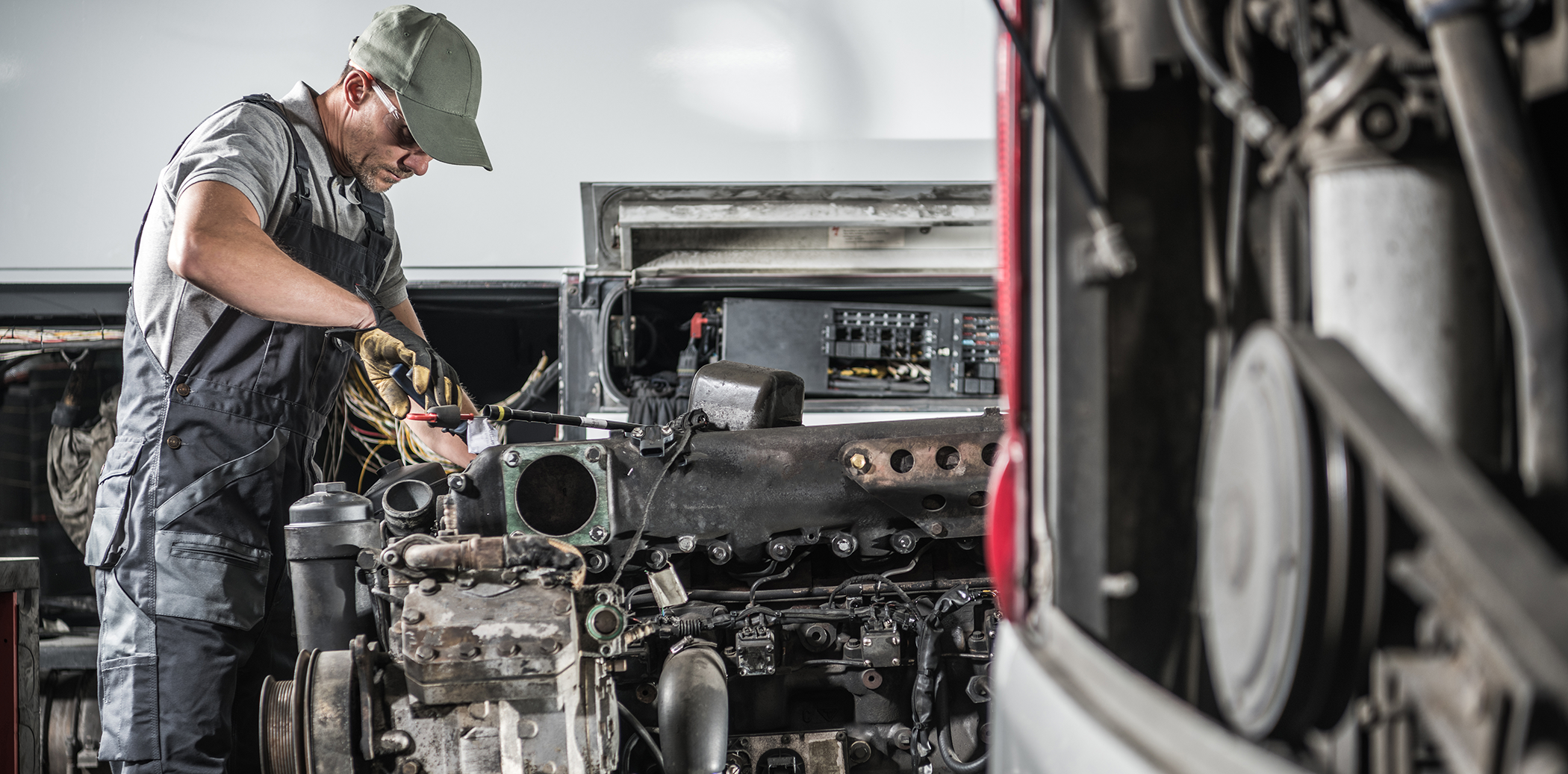
The diesel engine in your truck is going to be hardest on cold weather when the temperature drops. A block heater, an engine oil warming tool, and new oil can be used to keep the engine and other parts warm before starting, thus minimizing the wear on the critical components. These units maintain the engine at the proper temperature overnight, which facilitates the morning starts and prevents wear on your engine caused by the cold cranking. The glow plugs and block heaters are used together, where the combustion chambers are preheated to ensure smooth ignition by the turning of the key.
The right choice of oil viscosity has a very big impact on the performance in cold weather. The winter-grade oils that have lower viscosity ratings will flow more freely at low temperatures, and so there will be immediate lubrication to the engine parts during cold starts. Check with your manufacturer’s specifications for cold-weather oil grade recommendations—generally, 5W-40 or 0W-40 for extreme conditions.
Make your oil change appointments before the winter season, not during the coldest weeks. New oil has additives that counteract moisture and provide the necessary lubrication in winter conditions. During this time, also check the belts for any cracks or fraying, and give the pulleys a check-up for the correct alignment. A broken serpentine belt in very low temperatures can leave you a long way from help.
2. Battery Care and Electrical System Checks
Cold temperatures drain your battery’s cranking power faster than you might expect. When temperatures drop below freezing, your battery can lose up to 60% of its strength while your engine simultaneously demands nearly twice the power to start. This double challenge makes battery maintenance your first line of defense against being stuck in freezing conditions.
Annual load testing of batteries should be non-negotiable in your winter prep routine. In the event that the battery testing reveals less than 12.4 volts or if the battery demonstrates its incapacity while trying to crank the engine, the battery’s replacement should be the first option to avoid the horror of a battery that’s completely dead in the middle of a frozen highway. Pay extra attention to the age because most batteries will only give you 3-4 years of trouble-free service before the gradual decline of performance.
Your electrical system doesn’t stop at the battery; it is, in fact, the alternator testing that becomes paramount in the case of high-mileage rigs and for those even crossing the 500,000-mile mark. A dying alternator will not be able to supply your battery with the required charge during the long winter hauls. Inspect all electrical connections and wiring that may be affected by corrosion, loose terminals, or frayed insulation in cold weather. A strong connection today eliminates electrical failures tomorrow.
3. Cooling System Inspection and Maintenance
Your coolant system is working hard to keep your engine safe from freezing temperatures that can cause catastrophic damage during winter. First, you need to check your coolant mixture with test strips; you are going for the right freeze protection that is in accordance with your operating conditions. A weak mixture won’t just freeze; it can crack your engine block and cause expensive radiator damage.
Inspecting Coolant Hoses
Inspect each and every one of the coolant hoses that you can access by taking a stroll around your truck. The cold season makes rubber brittle, and this can cause cracks, leaks, and shrinkage that would not have been noticed during the hotter months. Hose connections and clamps are particularly vulnerable because the sealing effect of the rubber may fail at these critical points.
Handling Coolant Leaks
The severity of the leak determines how you will react if you find any. A small leak may require only a top-up of mixed coolant, 50% of each of coolant and water, whereas for a large leak, you will need to add concentrate to the coolant in order to restore proper freeze protection. A very important piece of advice: if possible at all, never operate without the temperature or coolant level sensors for even a short time. These sensors are the only way for you to know if your engine is getting too hot or if you are running short on coolant. The sensors may allow you to get a bit closer to your destination, but only at the cost of a very severe engine repair, plus the cost of sensor repair, which would be more than a thousand times the cost of sensor repair.
4. Fuel System Winter Strategies
Your fuel system maintenance becomes critical when temperatures drop. Cold weather creates unique challenges that can leave you stranded if you’re not prepared.
Water Separator Drainage
Water separator drainage should happen frequently during the winter months. Moisture inside your fuel tank is caused by condensation due to temperature changes, and the water settles in the water separator. You need to drain it at least once a week – and even more frequently if the weather is extremely cold or hot. The whole procedure takes five minutes, and it is a great way to ensure that contaminated fuel does not reach your engine.
Fuel Filter Change
The intervals for changing fuel filters are even more critical in the winter. Do not deviate from the 15,000-mile replacement schedule if you want to prevent your fuel pumps from water-related damage. A clogged filter will force your pump to work harder and generate heat, which in turn is the reason for premature failure when you need reliability the most.
High-Pressure Fuel Systems
High-pressure fuel systems, such as the DD15, create certain difficulties regarding hard starting in very low temperatures. In case the priming of the system is required, consider purchasing a battery-operated electric pump for the priming instead of hand pumps. The pump, powered by electricity, keeps the pressure steady and prevents you from doing manual pumping in the freezing weather.
Volvo Diesel Engines
Volvo diesel engines require special attention to injector cups during winter. These engines are prone to fuel leaks when temperatures drop, so inspect the cups before cold weather hits and address any seepage immediately.
5. Air Brake System Considerations in Winter
Your air brake system gets into trouble in cold conditions. When the warm air inside the brake line that contains moisture meets the metal brake line, it condenses and turns into water that gets accumulated in the system. This water can cause a lot of problems, especially in the case of winter, where the freezing and thawing cycles allow ice to build up in brake chambers and air lines. This potentially can compromise your stopping power when you need it the most.
Air brake maintenance and condensation buildup require your attention throughout the cold season. You should be draining air brakes from all tanks at least once daily during the winter months—some drivers in extreme climates drain them multiple times per shift. This simple practice prevents water from freezing inside your system and causing brake malfunctions.
Pay special attention to your air dryer, which works overtime in winter conditions.
Regularly check the purge valve to ensure that it is discharging moisture properly. If, after draining the tank, you notice a lot of water and your compressor is producing weird noises, then your air dryer is probably calling for maintenance. Not only by preventing water from entering the brake system, you ensure a good performance, but also you take a very critical safety measure that protects you and all others on the road with your truck.
6. Tire Inspection and Winter Driving Safety
Your semi truck’s winter tires are the only connection to the possibly treacherous roads. Before the winter season gets in full swing, check the tire depth on all positions very accurately—don’t just look at the outer tread. Move your hand along the inner edges where bald spots usually hide, especially on steer tires. These areas of tire wear considerably cut down on grip on icy surfaces and prolong your stopping distance when you really need it the most.
The use of the best winter tires specifically made for cold weather conditions has a positive impact on road control that can literally be measured. The rubber mixes used for these tires are still soft and elastic at the lowest temperatures, while standard tires are already getting hard and losing their grip. If you’re operating in the regions that have regular snow, this investment takes care not only of your load but also of your life.
Poor alignment leads to uneven tire wear patterns, which may not be noticed until you are sliding on black ice. The combination of tires and alignment problems transformed winter driving into a game of luck. If your truck veers to one side or your steering wheel is off-center, you are already giving up your house to handle the emergency maneuver on slippery pavement. Fix these mechanical problems before the wintry weather makes you suffer from the hard way to find out what they were.
7. Winter Essential Accessories and Preventive Tools
When driving on winter roads, the issue of vision will most probably be the most critical factor that determines the safety of your trip. Your windshield wiper should be in perfect working condition—carefully check the rubber blades for any signs of cracking or hardening, which may lead to streaks on your windshield during light snow. Do not wait until they are completely worn out to replace them; even better, consider acquiring heavy-duty winter wipers that are specifically made for ice build-up.
Proper wash fluids should be used with quality wipers. Invisibly, washer fluid will not be enough when the temperature is extremely low. Make certain that the winter-grade fluids are in your vehicle that are rated for the lowest temperatures—these fluids will keep the freezing point of your washer fluid reservoir and nozzles down. Not having washer fluid during a drive on a slushy highway is not only a big hassle but also a safety risk, as it might completely blind you to road conditions.
A reliable flashlight should not be a forgotten item in your winter gear. If you are inspecting your car before a trip early in the morning or if you are fixing a problem on a dark roadside, light becomes a necessity for your protection. Have a premium LED flashlight with new batteries always at hand – it’s one of those straightforward tools that become indispensable during unexpected breakdowns in poorly lit places.
Promoting Self-Sufficiency Through Preventive Maintenance
Driving in wintertime means balancing between being self-sufficient on the road and recognizing the right moment to get the expert’s help. Gaining your confidence through preventive maintenance advises the very first step of the easy daily checks that gradually become a habit. Before going for a trip, do a walkthrough around your truck and check the coolant levels in the reservoir, look for any wear and tear or cracks in the belts, and make sure that all the fluid levels are up to the manufacturer’s specifications.
If you can do basic troubleshooting, then you can save a lot of time and money on the truck’s long haul. Get to know how to spot the indicators, such as odd sounds from the engine, slight changes in temperature readings in the gauge, or very small leaks in the brake system. Having a small toolbox and knowing how to deal with minor problems—such as tightening loose connections or replacing a blown fuse—allows you to take charge of minor situations that do not demand immediate attention.
When challenges exceed your capabilities, Mac’s Diesel and Trailer Repair brings onsite truck repair services directly to your location throughout the Lexington, Kentucky area. Our experienced diesel mechanics arrive equipped to handle everything from complex engine diagnostics to complete system repairs, eliminating the stress of finding a repair facility during winter emergencies.
The need for DOT inspections is most pronounced in the winter season when the likelihood of component failures is at its highest. Professional inspection services from us will not only confirm the compliance of your truck with all the standards but also reveal any issues related to winter that might turn into emergencies on the road. In case of a sudden breakdown, our emergency roadside assistance will serve heavy-duty trucks in cold weather with a quick response that is planned especially for them and will take you back on your schedule within a very short time of inactivity.
Choose Birmingham Mobile Semi Repair
We at Mac’s Diesel and Trailer Repair is always available to help you with your fleet in the harshest winter months, whether you need preventive maintenance or have an unforeseen breakdown on the road.
Don’t let winter catch you off guard. Our mobile mechanics will come to your location, which means no downtime, and your truck will be working when you need it the most. You can schedule your winter maintenance appointment or request emergency roadside assistance simply by calling us today at (972) 225-3017. Your dependable partner during the winter season is Mac’s Diesel and Trailer Repair, the provider of winter semi truck maintenance strategies, who is only a call away.