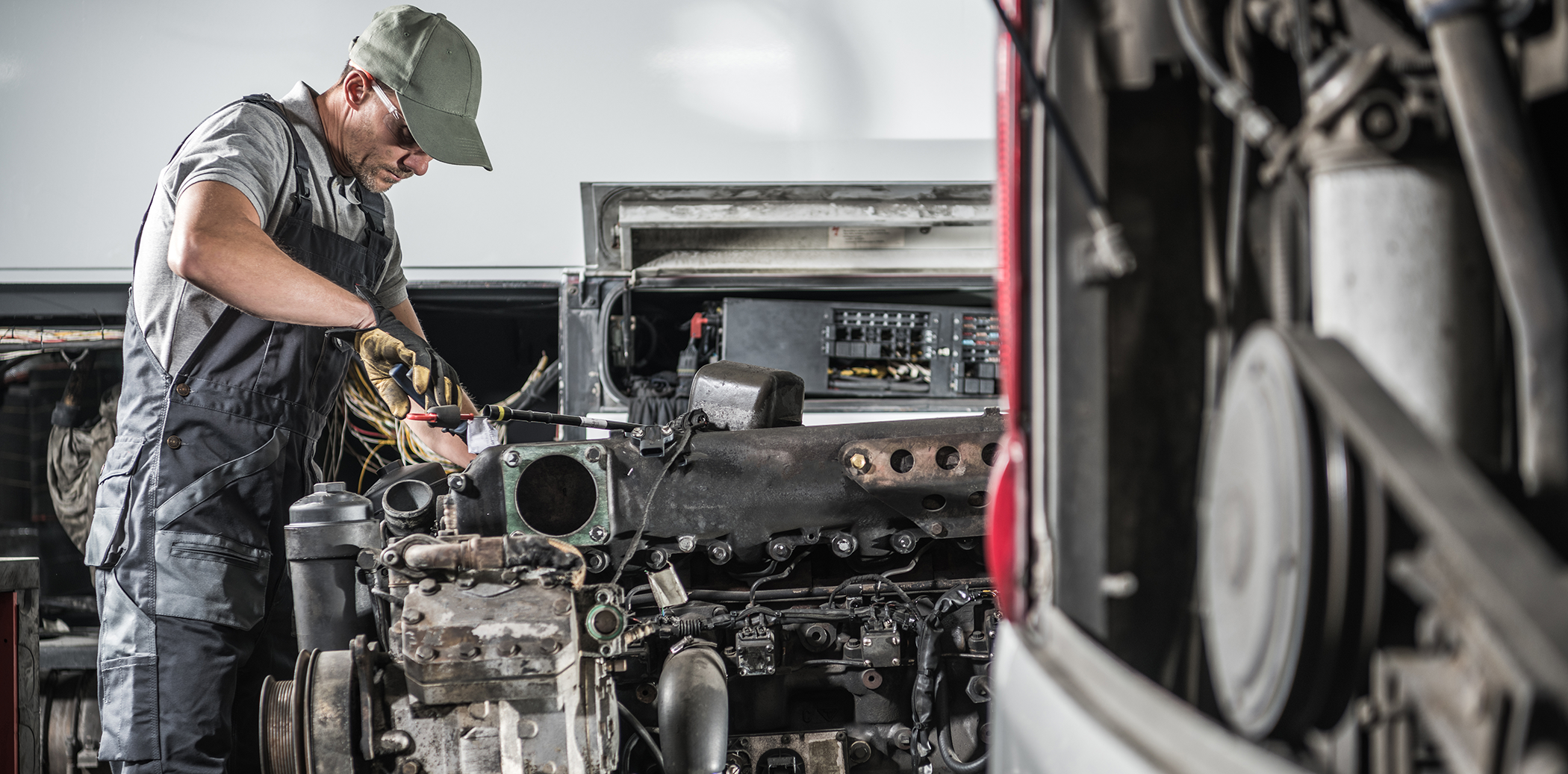

The trucking industry is going through a wholesale reformation with fewer freight levels and drivers. Nearly 30% of motor carriers are cutting employees, which means most commercial trucks sit idle for weeks at a time. This poses a critical issue: finding appropriate parking space for trucks over the long term.
You would assume it’s just a question of applying the air brakes and turning off the engine when parking a truck – but that’s not the case. When trucks are left idling for long stretches, it will cause major mechanical issues that will reduce your fleet’s reliability and your profits.
As a fleet manager or truck owner-operator, these are the primary challenges you will need to address:
- Engine oil degradation and internal rust formation
- Cooling system deterioration
- Fuel system contamination
- Battery and electrical system complications
- Brake system maintenance requirements
By knowing these challenges, you’ll be able to take preventive measures to secure your assets. Using the right storage techniques can avoid costly repair and see your trucks in immaculate working condition during peak freight season.
In this subsection, we will explain the most important maintenance procedures that will see your parked trucks in top condition. We will begin by explaining the essential engine and lubrication systems.
1. Effect of Long Parking on Lubrication Systems and Engine
Your engine is under serious threat while your truck is parked for long periods – even if it’s not turned on. Engine oil tends to settle at the bottom naturally, exposing higher elements to rust and corrosion. This settling creates a dangerous situation where critical engine parts lose their protective coating.
Key Issues During Storage:
- Engine oil oxidation occurs as air mixes with settled oil
- Upper engine components become exposed and unprotected
- Moisture accumulates in the crankcase, leading to rust formation
- Oil additives break down, reducing protective properties
The crankcase becomes a prime spot for condensation buildup when your truck sits idle. This trapped moisture creates an ideal environment for corrosion, potentially causing severe damage to engine bearings and cylinder walls.
Protective Measures:
- Change oil and filters before long-term storage
- Run the engine for 15-20 minutes after oil change
- Follow manufacturer-specific oil grade recommendations
- Park your truck on level ground to ensure even oil distribution
Your engine also requires fresh, clean oil prior to long-term storage. This straightforward process forms a corrosion protection coating and lubricates all engine parts properly at the last run. Never ever skip using OEM-recommended oil grades – they’re specially designed for your engine’s needs.
2. Cooling System and Exhaust Protection During Storage
Your truck cooling system will require extra care when it comes to storing it for extended periods. A properly maintained cooling system saves your engine from corrosion and freeze. Doing so:
- Fill the cooling system completely with the correct mixture of coolant and water
- Check for leaks and repair them before storage
- Replace worn hoses and belts
- Clean the radiator to remove debris and ensure proper airflow
Storage Location Matters
Your truck’s storage environment plays a crucial role in preventing moisture-related damage. Park your truck:
- On level, solid ground
- Away from flood-prone areas
- In a covered facility when possible
- At higher elevations to avoid water pooling
Protecting Your Exhaust System
Rain entering your exhaust system can cause severe damage to your engine and after treatment components. Water infiltration leads to:
- Rust formation in exhaust pipes
- Damaged DPF filters
- Compromised SCR systems
- Corroded internal components
To protect your exhaust system, install rain caps or use waterproof covers on exhaust stacks. This simple step prevents thousands in potential repair costs and protects your emission control systems.
3. Fuel Management Best Practices for Extended Parking
Proper fuel management during extended truck parking periods requires careful consideration of storage strategies. You have two main options for storing diesel fuel:
Fill tanks completely: This minimizes air exposure and reduces condensation risks
Drain tanks entirely: This prevents potential contamination and microbial growth
For storage periods of up to 6 months at temperatures below 70°F, diesel fuel will mostly remain stable. For parking periods longer than 12 months, you will need to take additional precautions for protection. Treat with diesel stabilizers to prevent breaking down the diesel and treat with biocides to preclude microbial growth, which would otherwise contaminate your fuel system in extended storage. Before returning the vehicle to service, it is also recommended to replace the fuel filters in order to have clean and optimal engine operation.
Note: These additives are inappropriate for ethanol or biodiesel blends.
Your local fleet environment and local climate environment should determine your storage protocol. Consult your truck’s OEM guide for factory-specified information regarding recommended fuel additives, storage temperatures, and storage time limits. The guide will also have detailed fuel system maintenance schedules that must be adhered to in order to keep your engine and fuel components in top shape with extended storage.
Remember to maintain detailed records of any fuel treatments or system modifications during the storage period to ensure proper maintenance tracking.
4. Battery, Electrical System, and Brake Maintenance Considerations
Your truck’s electrical and braking systems need special attention during long-term parking. Here’s what you need to know about maintaining these critical components:
Battery Care Essentials:
- Keep batteries at full charge to prevent sulfation
- Disconnect negative terminals to reduce parasitic drain
- Check electrolyte levels in non-maintenance-free batteries
- Store batteries in a cool, dry place if removed
Electrical System Protection:
- Test all electrical connections for corrosion
- Inspect wiring harnesses for signs of wear
- Document any existing electrical issues
- Remove electronic devices that might drain power
Air Brake System Maintenance:
- Drain air tanks completely to eliminate moisture
- Apply protective coating to exposed brake components
- Check airline connections for potential leaks
- Leave brake shoes in the released position
Pre-Storage Brake Inspection:
- Measure brake pad thickness
- Clean and lubricate brake components
- Record brake adjustment measurements
- Check for signs of seal leakage
Your brake system’s health directly impacts safety when you return the truck to service. Regular checks during storage help prevent costly repairs and ensure reliable operation when you’re ready to hit the road again.
5. Preventive Maintenance Before Storage and After Reactivation
Proper preventive maintenance creates a strong defense against storage-related damage to your trucks. A comprehensive pre-storage inspection should include cold oil changes, particularly for trucks exposed to significant temperature variations. This step helps protect engine components from potential degradation during inactive periods.
Monthly Maintenance During Storage
Monthly maintenance requires warming up and exercising engines to operating temperature while parked trucks. Exercise in all transmission gears ensures equipment is lubricated and in working condition. Periodic truck movement also prevents the creation of flat spots on tires. Regular checks and maintenance of correct tire pressure are required so as not to encounter any issues when returning the vehicle to service.
Post-Reactivation Inspection Checklist:
- Tire condition and pressure
- Brake system functionality
- Fresh fuel and air filters
- Battery charge levels
- Electrical system performance
- Fluid levels and quality
- Engine fault codes
Your mid-trip inspection becomes crucial after reactivating a stored truck. This check helps identify potential issues that might have developed during storage. Pay close notice to odd noises, vibrations, or warning lights that may indicate hidden issues in need of professional diesel repair.
Preventive maintenance every so often extends the lifespan of your truck and prevents expensive repairs. A regular inspection schedule keeps your semi truck in peak operating condition and safe driving, guarding your investment at storage and active service phases.
6. Environmental Factors Influencing Long-Term Truck Parking Results
Your choice of parking spot matters to secure your commercial vehicles well when stored for extended periods. The condition where your car is parked will have a direct impact on the preservation of your car’s essential components.
Major Environmental Menaces
Wet locations will lead to an easy growth of rust on metal parts at a very rapid speed, which can destroy your truck’s structural features and even its lifespan. Parking in areas subject to flooding makes the sensitive electrical systems more likely to be damaged by water, potentially causing expensive repair and inoperability when put back into use. Exposure to direct sunlight for lengthy periods of time is also a major issue because it will degrade rubber items like seals and hoses and discolor and soften surface finishes.
In addition, the parked trucks in coastal areas are also exposed to salty air, which, in return, significantly accelerates both overt and latent metal components corrosion processes. Identification of such ambient risks is the answer to choosing the most protective parking location and implementing the required preventive actions.
Optimal Storage Conditions:
Select elevated grounds with proper drainage. Choose covered storage areas when possible. Maintain consistent temperature environments. Ensure adequate ventilation to prevent moisture buildup.
Parking your trucks in clean, dry environments significantly reduces the risk of:
- Mold growth in cab interiors
- Premature deterioration of seals and gaskets
- Electrical system failures
- Frame and body corrosion
- Engine component damage
Regular inspection of your storage area helps identify potential environmental threats before they cause significant damage to your parked vehicles. Adjusting your storage strategy based on seasonal weather changes protects your investment during long-term parking periods.
Choose Birmingham Mobile Semi Repair
Proper long-term truck parking requires careful attention to maintenance protocols and storage conditions. Regular engine starts at operating temperature, combined with thorough pre-storage preventive maintenance, protect your valuable assets from deterioration during extended idle periods.
Don’t let your parked commercial trucks fall victim to preventable damage. At Birmingham Mobile Semi Repair, we understand the complexities of maintaining your fleet through periods of reduced operation. Our expert mobile diesel mechanics bring professional truck repair services directly to you in the Birmingham, Alabama, area.
We offer:
- Comprehensive pre-storage maintenance
- Regular storage period inspections
- Professional reactivation services
- Emergency roadside assistance
- Complete semi-truck repair solutions
Keep your trucks ready for action with our specialized onsite maintenance services. Call (307) 922-1966 today to schedule an appointment and protect your fleet investment with Birmingham Mobile Semi Repair.