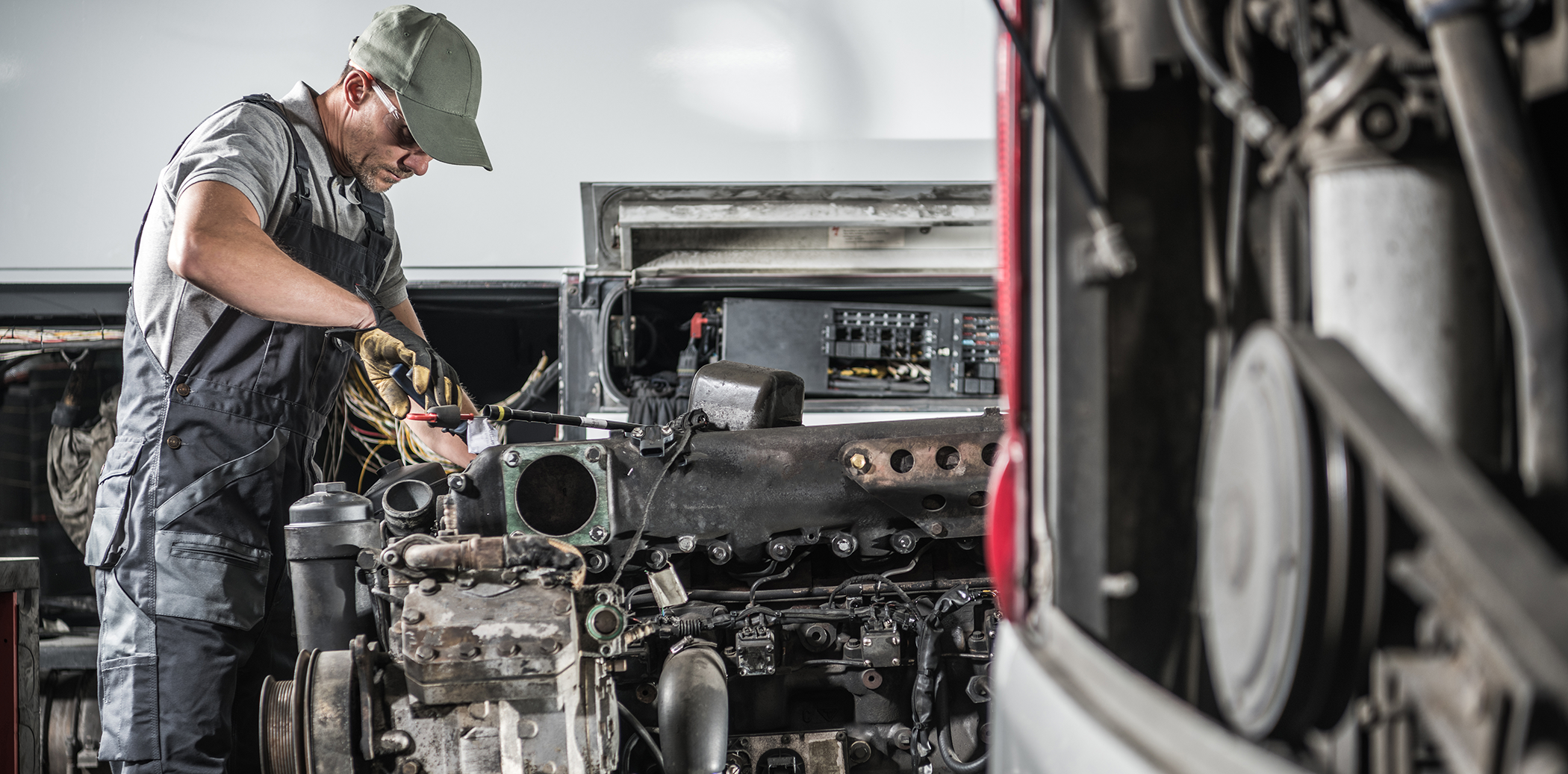

The EGR cooler, which is a part of your diesel engine, is very important for the heavy-duty truck to be both efficient and emission-compliant. This small but powerful unit takes exhaust gas back to the engine, which minimizes the emissions, and performance is then further optimized. On the other hand, if it goes wrong, you could face reduced power, a permanent engine light, and hefty repair costs.
EGR cooler problems are not rare in heavy-duty machinery, even though mileage is the main reason for them. For example, a 2020 Volvo D13, which has run for 745,000 miles, wouldn’t be looking that much different from a new one; however, the toughest of engines still have to deal with carbon deposits, coolant leaks, and blocked flow in the EGR system, among others, as the main problems.
One can always see the bright side, and it’s that expert diesel repair and maintenance can timely solve these issues and prevent major breakdowns, which means your truck can be in its rightful place-on the road!
Getting to Know the EGR Cooler and Its Role
The EGR cooler of your diesel engine is a major component of the emissions control system. It is an apparatus that lessens the temperature of the hot exhaust gases and feeds them into the engine’s intake system again. This operation contributes to lowering combustion temperatures and, consequently, the production of harmful nitrogen oxide (NOx) emissions, which would otherwise be liberated into the atmosphere.
How Does the EGR Cooler Work?
The EGR cooler operates through a precise sequence of actions:
- Exhaust gases flow from the EGR valve into the cooler.
- Inside the cooler, there are passages where coolant flows around these passages.
- The coolant absorbs heat from the exhaust gases, lowering their temperature.
- The cooled exhaust gases then re-enter the intake manifold.
This cooling process is very important because if hot exhaust gases were to enter the intake directly, they could adversely affect engine performance and even cause damage.
The Relationship Between the EGR Cooler and the Turbocharger
The EGR cooler is the least important component in your engine and quite possibly the most neglected; however, it works to help your turbocharger keep the engine system in a delicate balance.
EGR cooler’s flow restriction or leakage, if any, would cause abnormal pressure readings. The pressure difference may cause turbo overspeed conditions, wherein the turbo spins faster than what is expected by the engine computer. Consequently, there would be a fall in power output, along with the illumination of several warning lights on your dashboard.
Common Signs Indicating a Failing EGR Cooler
Detection of an EGR cooler that is going bad can save you from paying for expensive repairs and can also keep you from the loss of money due to unplanned downtime. A diesel engine is going to alert you about the trouble through several specific symptoms that should not be ignored.
1. Continuous Coolant Loss
Continuous coolant loss, or as it is often termed, Persistent Coolant Loss, is very often the first sign that something is wrong. You might notice your coolant bottle being emptied very slowly-not suddenly, but slowly over a long period of time. Roughly speaking, half a gallon to a gallon of coolant will be lost for every 500 to 1,000 miles. The very slow process of coolant loss, though, is an indicator that there is an internal leak in the EGR cooler where coolant is getting mixed with the exhaust in the exhaust pipe, and it is no longer part of the cooling circuit.
2. Multiple Check Engine Lights
Multiple Check Engine Lights will illuminate your dashboard, specifically codes related to turbo overboost and insufficient EGR flow. The engine control module detects abnormal pressure readings because the restricted EGR cooler creates backpressure in the exhaust system. This confuses the turbo management system, triggering overboost conditions that the computer can’t control.
3. Reduced Engine Power
Reduced engine power is evident while accelerating or under load. Your truck just won’t be able to do what was done, getting the most of the highway speed and climbing the hills. The affected process of regeneration stops working correctly, leaving you with a vehicle that cannot finish its emissions cleaning cycle.
4. Physical Evidence of Coolant Leaks
Physical evidence of EGR cooler failure can be seen through the external leaks of the coolant around the assembly of the EGR cooler unit-look for white stains or dripping moisture. These symptoms are the absolute confirmation of internal failure where coolant is leaking and becoming mixed with the exhaust gases, creating complete system failure.
Reasons for EGR Cooler Breakdown
If you know the factors that can damage your EGR cooler, you will be able to detect them early enough and avoid very expensive repairs. The failure process usually starts with the gradual carbon buildup inside as the temperature cools over a long period. The continual cycling of exhaust gas through the system leaves behind carbon deposits, which gradually restrict the flow passages. It is akin to plaque building up in arteries; The more it accumulates, the harder it becomes for gases to get through efficiently.
The coolant contamination is the total opposite, and it adds another dimension to the problem. With every failure of the EGR cooler caused by cracks or seals, the coolant begins to leak into the exhaust path. This whole process is one of the very unpleasant chemical reactions that you do not want to be happening inside your engine. The merging of very hot exhaust gases and coolant creates a substance that is not only hard and gel-like but also resembles concrete formation inside your cooler.
This contaminated mixture creates clogged passages that are nearly impossible for normal exhaust pressure to push through. The black, hardened residue blocks the flow paths completely, preventing the EGR system from recirculating gases as designed. Your pressure sensor detects this restriction immediately, but the damage continues spreading.
The blocked flow creates a domino effect on your turbocharger. The restricted EGR cooler is the reason why the exhaust pressure is not able to escape; therefore, the pressure in the exhaust area gets excessively high. The abnormal pressure is sensed by your turbo, which spins faster than the computer’s expected result, leading to turbo overspeed conditions that cause extra stress on many engine parts.
Diagnostic Process for Identifying EGR Cooler Issues
With the start of the diesel engine showing signs of EGR cooler problems, it becomes necessary to identify the exact issue in the first place with the help of advanced diagnostic tools and the application of a well-coordinated approach. Among various options, the JPro software is one of the most potent solutions to read fault codes assigned to Volvo D13 engines and other heavy-duty diesel systems. This sophisticated diagnostic platform works by pulling several codes simultaneously, which provides a clearer view of the issue, pointing directly to EGR performance concerns.
The diagnostic codes that you will normally come across are the overboost conditions and the insufficient EGR flow warnings. Yet the codes don’t just come out of the blue; they need to be activated first, which mostly happens when the pressure sensors recognize abnormal readings in the EGR system. The delta pressure sensor, which is located in the venturi pipe, continues to monitor flow rates and pressure differentials at all times. As soon as restrictions happen due to carbon buildup or coolant contamination, these sensors do not hesitate and immediately signal the discrepancy.
Physical inspection remains equally critical. Look for telltale signs like:
White stains around the EGR cooler indicate coolant seepage
Moisture accumulation on surrounding components
Drip marks beneath the cooler assembly
Discoloration on exhaust pipes and connections
These visual indicators, together with electronic diagnostics, give a comprehensive view of your EGR cooler’s condition and the repair strategy.
Essential Repair Steps for a Faulty EGR Cooler
In case your diagnosis process indicates EGR cooler failure, you are about to face a major repair process. Repairing the problem will not be enough; you will have to replace the EGR cooler completely to bring back the right exhaust gas flow and cooling function.
Here’s what needs attention during the repair:
Critical Components to Replace:
EGR Cooler Assembly – The entire unit must go. Partial repairs or cleaning won’t address internal contamination from the coolant-exhaust mixture that creates those hard, gel-like deposits blocking gas flow.
Venturi Pipe – This component houses pressure passages that feed information to your engine’s management system. The passages are susceptible to the same carbon deposits and coolant contamination that are detrimental to your cooler. Neglecting the replacement will result in the risk of having false pressure readings, which will later trigger fault codes.
Delta Pressure Sensor – If it shows signs of wear or if the readings are not consistent, then you should replace it. This sensor informs your engine computer about the EGR flow situation, and inaccurate signals result in performance issues.
In professional diesel repair services, these parts are brought together perfectly. Your engine management system gets its readings from these interrelated components precisely-amateur repairs often overlook the whole issue.
Maintenance Tips that Prevent Future Failures
The monitoring of EGR cooler problems will be realized through the use of proactive care. The regular inspection of the cooling system and EGR parts during maintenance can be the most effective way to catch the problem before it turns into an expensive repair. It should be a regular practice to look for moisture, stains, and any other unusual residue around the EGR cooler assembly.
Your coolant deserves attention, too. Maintaining stable coolant levels and using quality fluids prevents contamination that accelerates EGR cooler deterioration. Cheap or contaminated coolant creates the perfect environment for that gel-like material that clogs your system.
Carbon cleaning shouldn’t be an afterthought. Periodic servicing of carbon buildup in your exhaust and intake pathways keeps airflow efficient and reduces stress on the EGR system. This simple step can add thousands of miles to your engine’s life.
Partnering with experienced semi truck repair professionals makes all the difference. They understand the top common signs your diesel engine’s EGR cooler is failing and can spot issues you might miss. Their expertise in preventive care helps you avoid the downtime and costs associated with complete EGR system failures.
Why Choose Birmingham Mobile Semi Repair for Diesel Engine Issues?
When your diesel engine starts showing a red flag of EGR cooler failure, you must have a repair partner who knows the importance of getting you back on the road quickly. Birmingham Mobile Semi Repair gives you the chance to enjoy professional mobile semi repair services right at your location, therefore eliminating both the hassle and cost of transporting your vehicle to a workshop.
Our services are available 24/7, so we are always at your service, no matter when the trouble occurs-morning, night, weekend, or even on a holiday. Your work schedule is not on hold, and neither are we. Our skilled diesel technicians come to you with the latest diagnostic equipment, which includes the same high-end tools that professionals use to pinpoint tricky matters like the most prevalent symptoms of a failing diesel engine’s EGR cooler.
What sets us apart in heavy-duty vehicle maintenance?
On-site diagnostics and repairs that minimize your downtime
Experienced team trained on all major diesel engine brands, including Volvo D13
Complete mobile capabilities for EGR cooler replacements, venturi pipe installations, and sensor diagnostics
Professional-grade equipment brought directly to your location
You don’t have to sacrifice quality for convenience. We bring the shop to you, ensuring your truck receives the same thorough care it would get at any stationary facility-just faster and more conveniently positioned for your demanding road conditions.