
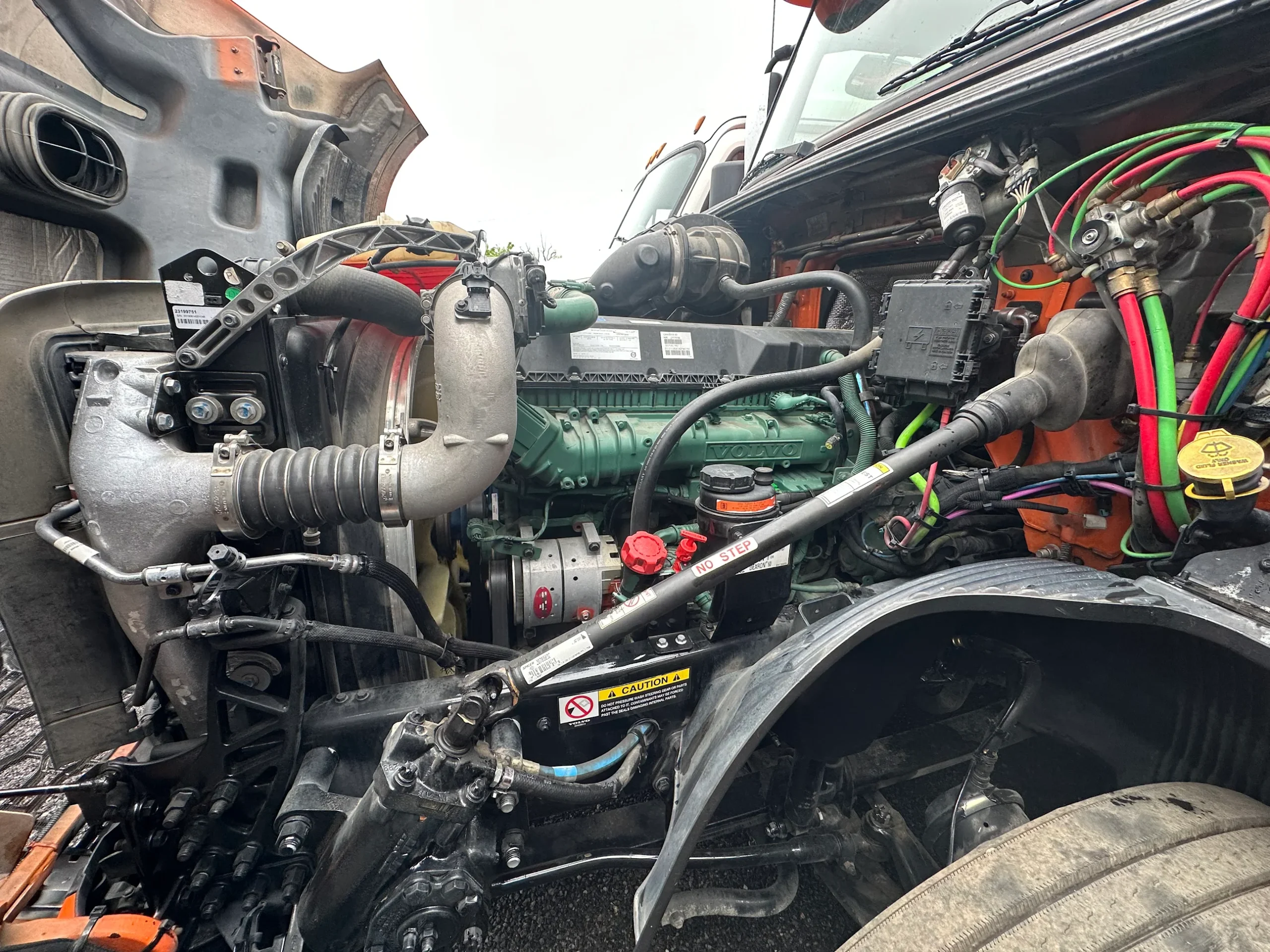
Using diesel equipment involves more than simply starting and stopping the engine. It encompasses equipment control, load management, and regular inspections and maintenance. Poor operational practices can lead to accidents such as engine failure, fires, and spills, resulting in severe injuries, legal responsibility, and financial setbacks. Thus, it is crucial to adhere to safety standards to support efficient diesel equipment operation and prevent environmental concerns like pollution and contamination.
Concerned about ensuring the safety of your operations? No need to worry, we’ve got you covered! We are committed to providing the utmost care for you and your trucks.
We have compiled a comprehensive set of safety tips for operating diesel equipment to guarantee the longevity of your truck.
The Top 8 Safety Tips for Operating Diesel Equipment
Let’s explore the safety tips for operating diesel equipment that can expand the life span of your truck and protect you from uncertain accidents.
1. Before commencing operations, perform the following safety checks:
– Equipment Inspection: Look for any damage, wear, or leaks. Check for loose or missing parts and ensure that all safety guards are in place before using diesel equipment.
– Fluid Level Verification: Low fluid levels can lead to equipment failure and an increased risk of accidents. Ensure fuel, oil, coolant, and hydraulic fluids are at appropriate levels.
– Tire Inspection: Check the tires for proper inflation and any indications of wear or damage.
– Testing Lights and Signals: Adequate lighting and signaling are crucial for safe operation, especially in low-visibility conditions. Confirm that all lights, signals, and reflectors are functioning correctly.
2. Proper Training and Certification
– Operator Training: Ensure that only operators who have undergone proper training and obtained certification are allowed to handle diesel equipment. They should have a good understanding of the equipment’s functions, safety features, and potential hazards.
– Stay Informed: It is important to stay informed about any changes, replacements, and new features related to the operation of your truck or equipment to ensure efficient operation.
3. Personal Protective Equipment (PPE)
– Necessary PPE: When working with diesel equipment, it’s important to wear the appropriate PPE, such as safety glasses, hard hats, gloves, and steel-toed boots. This gear protects against potential hazards.
– Hearing Protection: Prolonged exposure to high noise levels can result in hearing loss. Earplugs or earmuffs can be used to safeguard against noise exposure from diesel equipment.
– High-Visibility Clothing: It’s essential to wear high-visibility vests or clothing to ensure the operator is visible to others. This reduces the risk of accidents, especially in congested or low-light areas.
4. Safety Protocols for Operations
– Starting Up: Before starting work, ensure that all gauges and warning lights indicate safe operating conditions. Follow the manufacturer’s recommended start-up procedures.
– Situational Awareness: Always be mindful of your surroundings. Identify potential hazards, such as uneven terrain, obstacles, or other workers, and maintain a clear line of sight.
– Handling Loads: Utilize safe lifting techniques to prevent overloading the equipment. Adhere to manufacturer guidelines for load limits and distribution to ensure stability and avoid fines.
5. Maintenance and Repairs
– Regular Maintenance: It’s important to regularly maintain your diesel equipment to ensure it functions efficiently. Follow the manufacturer’s maintenance schedule and keep a detailed log of all maintenance activities.
– Prompt Repairs: Address any issues or damage immediately. Delaying repairs can result in equipment failure and increase the risk of accidents.
– Equipment Cleaning: Regularly clean the equipment to remove debris and prevent clogging. Clean equipment operates more efficiently and is easier to inspect for potential issues.
6. Fuel Safety
– Safe Fuel Handling: Use caution when fueling diesel equipment. Prevent spills and clean them up immediately if they occur. Always turn off the diesel engine or equipment before refueling.
– Storage and Disposal: Store diesel fuel in approved containers and in a safe location away from ignition sources. Dispose of contaminated fuel properly to prevent environmental contamination and health hazards.
7. Emergency Readiness
– Emergency Procedures: Establish and rehearse protocols for emergencies, such as evacuation plans and shutdown procedures, to ensure that all operators and nearby staff are familiar with these processes.
– First Aid: Always have a first-aid kit easily accessible. Rapid first aid can help reduce the severity of injuries.
– Fire Safety: Guarantee that fire extinguishers are readily available and that operators are trained in their use. Conduct regular checks on fire extinguishers to ensure they are operational.
8. Legal and Regulatory Compliance
– Understanding Regulations: Keeping updated with legal requirements is essential to avoid penalties and maintain a safe working environment. It’s important to ensure compliance with OSHA and other relevant safety regulations.
– Record-Keeping: Detailed records of training, inspections, and maintenance activities should be maintained to ensure regulatory compliance and to identify and address recurring issues.
– Incident Reporting: Establish a clear procedure for reporting accidents and near-misses. Analyzing these reports is crucial in preventing future incidents by identifying and addressing potential problems.
Expand Your Diesel Equipment Life with Birmingham Mobile Diesel Repair
In need of reliable maintenance for your diesel machinery? Birmingham Mobile Diesel Repair offers top-notch safety measures to keep you safe from accidents.
Simply bring your truck to Birmingham Mobile Diesel Repair for our diesel truck repair services, which encompass engine repair, coolant system repair, DPF regeneration, and diagnostic and electrical repair. We catch minor vehicle issues before they escalate into costly problems.
Our exceptional preventive maintenance service can help you realize your goal of prolonging the life of your diesel machinery or engine.
Get in touch today to arrange your hassle-free experience with Birmingham Mobile Diesel Repair!
For any inquiries, dial (307) 922-1966 for assistance.
FAQs
What are the safety precautions when working on diesel equipment or engines?
Always make sure to wear the appropriate protective gear, ensure there is enough ventilation, and avoid coming into contact with fluid and overheated parts when working on diesel equipment or engines to avoid accidents.
How can I increase the longevity of my diesel engine?
It’s essential to ensure the ongoing performance of your diesel engine through regular maintenance. This includes changing the oil every 4000 to 5000 miles, replacing the filters every 15,000 miles, and cleaning them to prevent engine failure. It’s also important to maintain the fuel injection pump, radiator, and coolant, and always pay attention to warning lights.
What is DEF for diesel equipment?
DEF, also known as Diesel Exhaust Fluid, is a combination of urea and deionized water that is employed in diesel engines. Its primary function is to reduce nitrogen oxide (NOx) emissions by transforming them into harmless nitrogen and water vapor, thereby ensuring that diesel-powered machinery complies with environmental regulations.
This article was originally published on 8/18/2024 and updated to contain more information.