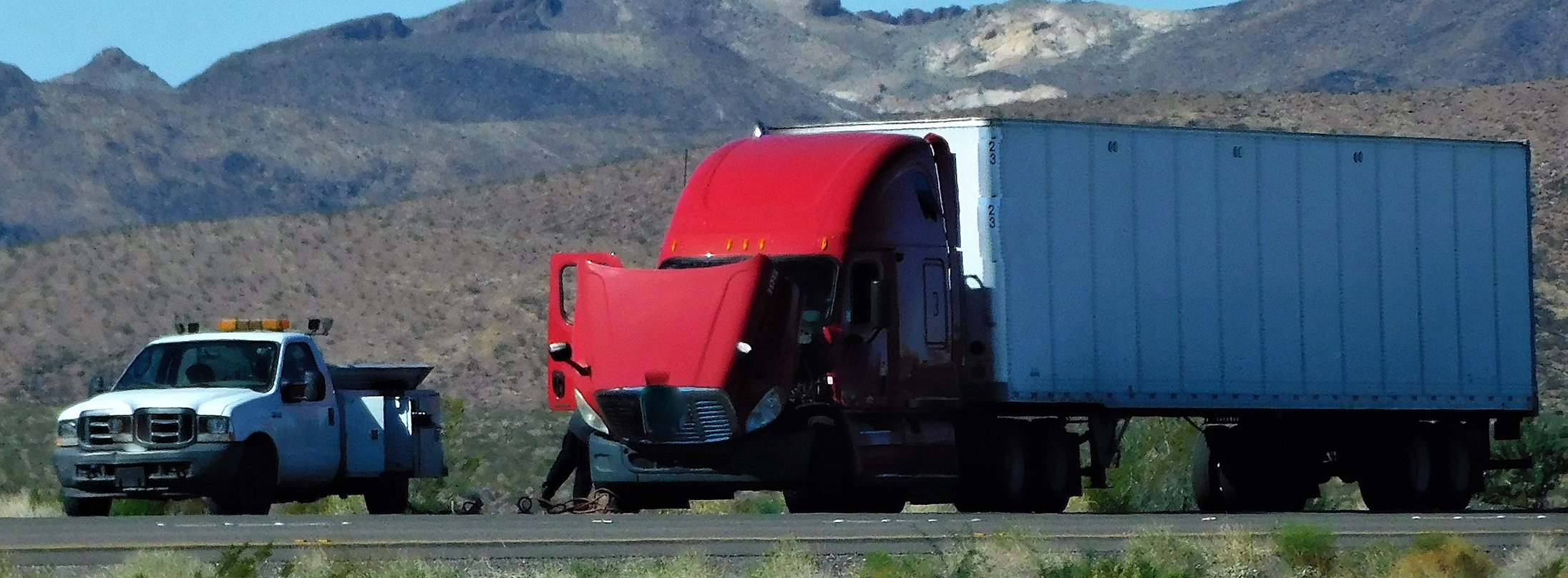
When your semi truck engine is already hot, it’s not only inconvenient – it’s also a safety hazard to you and your cargo. A rising temperature gauge can all too easily be a full-on breakdown, and you’ll find yourself stranded along the road.
Here’s why immediate action matters:
- Engine damage can progress from minor repairs to complete engine failure
- Cargo delays impact your delivery schedules and client relationships
- Repair costs multiply when problems are left unchecked
- Driver safety becomes compromised during roadside breakdowns
The good news? Most overheating issues can be caught early through proper diagnosis. We’ve developed this professional manual to enable you to detect warning signs before they turn into expensive setbacks. As an experienced driver or fleet manager, you will find helpful guidelines to identify frequent causes of engine overheating, identify early symptoms, and perform step-by-step diagnostic procedures. The guidebook also addresses the application of preventive maintenance techniques, allowing you to keep your semi-trailer truck in a dependable state and avoid roadside breakdowns.
Let’s get to the nitty-gritty facts you must know to maintain your semi-trailer truck at the right temperature and avoid those terrible roadside breakdowns.
Engine Overheating in Semi Trailer Trucks
Semi truck engine overheating is not an accident – it’s the result of some form of mechanical failure or abusive driving conditions. If you address these root causes before they become major issues, it can prevent you from spending money on costly repairs and downtime.
1. Coolant System Failures
Your cooling system is your engine’s initial and best defense against overheating. This critical system makes a path through the engine block, where it picks up and sheds heat to keep the engine at its ideal temperature.
Common Signs of Coolant System Issues:
- Visible Leaks – Green, red, or yellow fluid puddles under your truck
- Low Coolant Levels – Unexplained drops in reservoir levels without visible external leaks
- Bubbling Sounds – Unusual noises from the radiator indicating trapped air
- Temperature Fluctuations – Erratic gauge readings during normal operation
Internal Problems to Watch For:
- Cracked hoses or damaged radiator components
- Loose or deteriorating hose clamps
- Air pockets are disrupting proper coolant circulation
- Internal engine leaks affecting coolant pressure
A bad coolant system will create a chain reaction of events that happens quickly. When coolant is lost, there are air pockets in the system that produce local hot spots. Hot spots heat metal parts unevenly and can result in warped cylinders or cracked head gaskets.
Essential Inspection Points:
- Check all hose connections for signs of wear or looseness
- Inspect the radiator for external damage or corrosion
- Monitor coolant reservoir levels during pre-trip inspections
- Look for signs of coolant mixing with oil (milky appearance)
- Test coolant concentration and quality regularly
Routine checkup of such components identifies probable problems before they become actual issues. Routine maintenance should include pressure testing of the system in an effort to detect minute leaks and inspect for acceptable circulation within the engine.
2. Thermostat Problems
Your semi truck’s thermostat is a heat-operated valve that controls coolant flow through the engine. When it’s cold, the thermostat is closed, and that allows the engine to warm up fast. Once temperatures become higher, it gradually opens to allow coolant to circulate and keep the engine in prime condition.
A stuck closed thermostat creates an urgent situation:
- Blocks coolant flow completely
- Causes rapid engine temperature spikes
- Risks severe engine damage if not addressed immediately
A stuck-open thermostat presents less immediate danger:
- Keeps coolant flowing constantly
- Prevents the engine from reaching the ideal operating temperature
- Reduces fuel efficiency
- Increases engine wear over time
Key Warning Signs:
- Temperature gauge shows erratic behavior
- Sudden temperature spikes or drops
- Weak cabin heat performance
- Engine overheating despite full coolant levels
Quick Diagnostic Tests:
- Start the engine cold and feel both radiator hoses
- Upper hose should warm up gradually
- Both hoses should feel equally warm at operating temperature
- Tapping sound from the thermostat housing might indicate a stuck valve
- Professional mechanics can perform a bench test to verify thermostat function
Regular thermostat checks during routine maintenance help prevent unexpected failures. A properly functioning thermostat typically lasts 3-5 years, but harsh operating conditions can shorten its lifespan.
3. Radiator Blockages and External Factors
Your radiator’s performance can be greatly affected by both internal and external blockages.
Internal Blockages
Within your radiator, mineral deposits and sludge over time form a clog that does not allow for coolant flow. The deposit causes your engine to labor more in order to reach normal operating temperatures.
Typical indicators of internal blockage are filthy or rust-tinted coolant and visibility of sludge when radiators are flushed. Inconsistent temperature readings are also indicators of an internal blockage in your radiator.
External Blockages
Obstructions outside the engine can be just as dangerous in compromising your cooling system. Bugs, road trash, and mud will pack densely between radiator fins to form a blockage that starves your engine of vital airflow. It is particularly noticeable at highway speeds when your engine requires optimal cooling.
External factors that strain your cooling system:
- Heavy load hauling generates extra engine heat
- Extreme weather conditions reduce cooling efficiency
- Slow-moving traffic limits airflow across the radiator
- Dusty environments accelerate debris buildup
Operating under demanding conditions calls for special care of your cooling system. When carrying full loads up an incline or traveling under hot conditions, your engine is generating lots of heat. During such times, you can experience temperature surges when ascending an incline and overheating during traffic jams. Engine stress under heat conditions can also result in associated signs of an overheating semi-truck trailer engine.
Trucks driving under such harsher conditions require regular radiator maintenance and cleaning. Clean radiator systems provide proper heat dissipation and minimize undesired stress on your engine.
Recognizing Symptoms of an Overheating Semi-Trailer Truck Engine
Your truck’s warning signs speak volumes about potential overheating issues. Here’s what you need to watch for:
1. Temperature Gauge Readings
- Normal operating range: Below 230°F (110°C)
- Red zone readings demand immediate attention
- Watch for unexplained fluctuations during idling or acceleration
- Persistent high readings after cool-down periods signal serious issues
2. Steam and Smoke Signals
- White steam billowing from the hood indicates boiling coolant
- Sweet-smelling smoke points to coolant burning
- Blue-tinted smoke suggests oil mixing issues
- Visible leaks are leaving colorful stains under your truck
3. Engine Performance Changes
- Knocking or pinging sounds from expanding metal parts
- Sudden power loss during acceleration
- Rough idling or unexpected misfires
- Throttle response delays
- Oil pressure warning lights
- Unusual hissing sounds near the engine compartment
These symptoms rarely appear in isolation – catching them early helps prevent catastrophic engine damage and costly repairs.
Step-by-Step Diagnosis Process for Overheating Issues
A systematic approach to diagnosing overheating issues can save you time and prevent costly misdiagnosis. Here’s our proven diagnostic process:
1. Initial Visual Inspection
- Check for coolant leaks (green, red, or yellow puddles)
- Inspect hose connections and water pump
- Look for damaged serpentine belts
- Search for debris blocking radiator fins
2. Engine Bay Assessment
- With a cool engine only:
- Examine hoses for swelling or cracks
- Check the radiator cap for corrosion
- Look for milky sludge under the oil cap (head gasket leak indicator)
3. Coolant System Check
- Verify coolant levels
- Test for air pockets in the system
- Listen for bubbling sounds from the radiator
- Inspect the coolant color and consistency
4. Temperature Monitoring
- Track temperature gauge behavior
- Note when spikes occur
- Record temperature patterns during idling, highway speeds, heavy loads, and uphill climbs
This structured approach helps pinpoint the exact cause of your truck’s overheating issues, ensuring accurate repairs and minimizing downtime.
Preventative Measures and Maintenance Tips to Avoid Overheating
Regular maintenance is your best defense against semi-truck overheating issues. Here’s your essential checklist to keep your engine running cool:
1. Schedule Regular Coolant Flushes
- Replace the coolant every 30,000 miles
- Check coolant concentration levels
- Use the manufacturer-recommended coolant type
2. Keep Your Radiator Clean
- Remove debris, bugs, and mud from radiator fins
- Pressure wash the external surfaces carefully
- Inspect for bent or damaged fins
3. Monitor Belt Conditions
- Check the serpentine belt tension
- Look for signs of wear or cracking
- Replace belts at recommended intervals
4. Adjust Driving Habits
- Reduce speed during extreme heat
- Allow proper warm-up time
- Monitor temperature gauges consistently
5. Professional Inspections
- Book seasonal cooling system checks
- Test thermostat operation
- Verify water pump performance
- Inspect hose conditions
Care should be taken to maintain service records in detail and repair minor faults in time. A small expenditure on maintenance today will save money by the thousand on repairs.
Why Choose Birmingham Mobile Semi-Repair for Overheating Diagnosis and Repair?
At Birmingham Mobile Semi Repair, we take our expert diagnosis and repair to you. Our trained technicians know the significance of overheating problems in semi-trailer trucks and are dedicated to delivering fast, efficient solutions. We provide 24/7 mobile service, coming to your location directly to get you back on the road in no time.
With our highly trained diagnostic tools, our certified mechanics employ factory-quality equipment to properly diagnose the overheating issue. Our quick response allows your priority to receive the attention necessary to avoid expensive engine repair. Our thorough solutions address all parts of overheating repair, from the repair of the cooling system to full replacement of the radiator, to provide your truck with thorough and reliable repairs.
Our experienced mechanics specialize in sophisticated thermal imaging diagnostic inspection, pressure check of the cooling system, and total cooling system refurbishment. Roadside emergency service is offered to give you access to service when you need it most.
We understand that a lost minute shortens your revenue. That is why our repair units stock the necessary components and equipment to properly diagnose and repair most overheating problems in the field. You will receive expert service at honest pricing and the confidence that you are working with certified technicians with an intimate understanding of semi-trailer trucks.
Choose Birmingham Mobile Semi Repair
Your engine performance and on-road safety are both dependent upon maintaining your engine at the correct temperature. Proper, on-schedule diagnosis, if you are experiencing overheating issues, repairs, and downtime, can be avoided at a cost savings.
Birmingham Mobile Semi Repair delivers expert diagnostics and repairs to your doorstep. Our professionals know the importance of having your truck operating in top condition.
Don’t let overheating kill your business. Contact Birmingham Mobile Semi Repair at (307) 922-1966 for instant service. We’re available 24/7 to diagnose and repair your semi-truck overheating issue, keeping you profitable and safe on the road.