
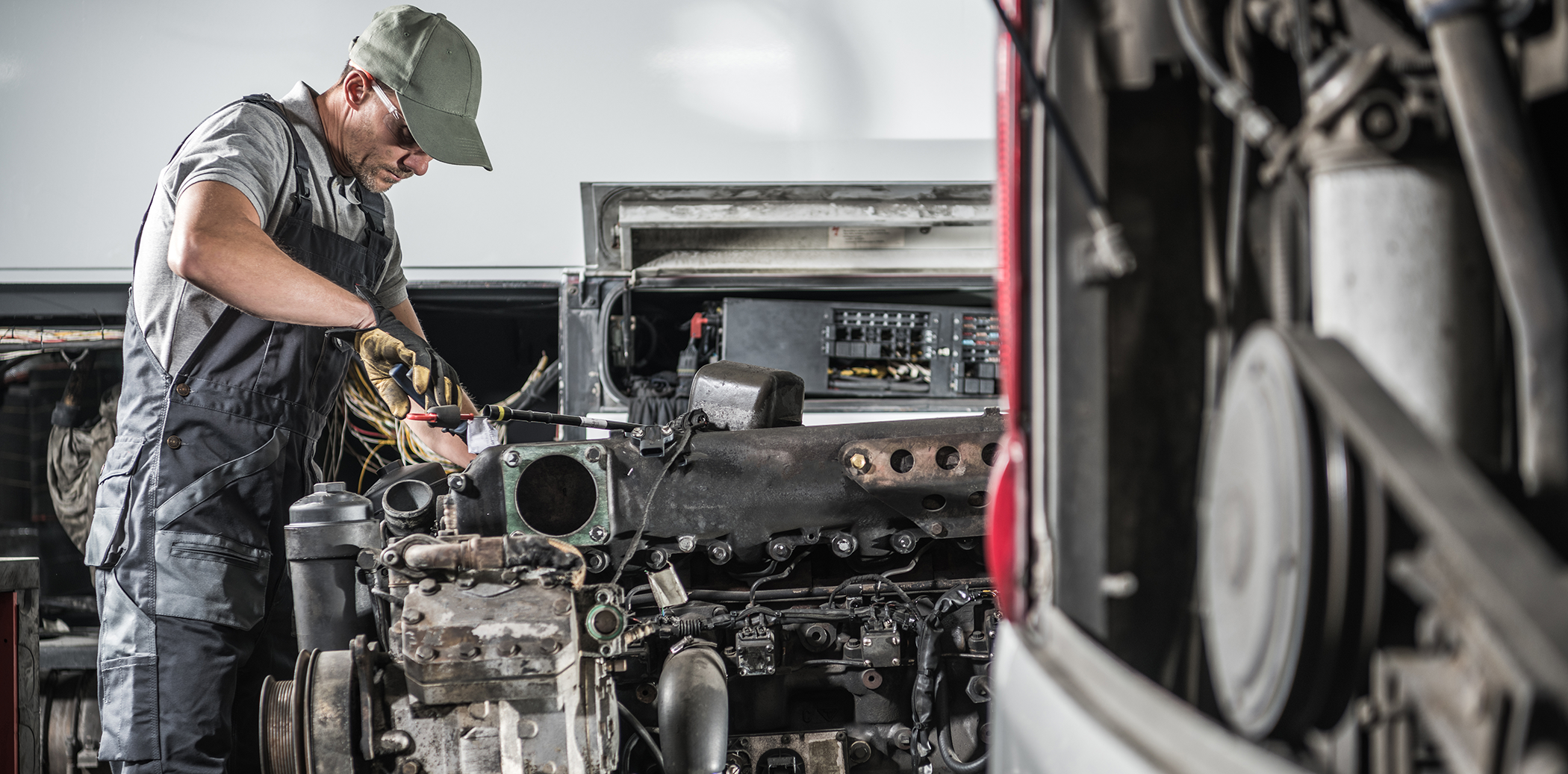
If you are running a fleet of semi trucks or managing one, knowing the working of these heavy machines is not only good but also a must. The knowledge of what is going on in the engine enables you to plan the maintenance in a better way and to identify the age of the problems before they turn costly and also make the mills of your trucks run smoothly for a long time.
Every semi truck has three major systems in its heart-the engine that produces power, the transmission that transfers power to the wheels, and the exhaust system that controls emissions. These systems are all important in the performance and life span of your truck.
A monthly diesel repair and a preventive semi truck repair are both essential, and they are investments that will return their cost through minimized downtime, improved fueling, and increased vehicle lifetime. We at Birmingham Mobile Semi Repair is the company you can trust for this. The company sends professional technicians to your location, any time of the day or night, because they understand that breakdowns can occur at any time not only during business hours. We are just a phone call away at (307) 922-1966 when you are looking for a dependable service that can keep your business running.
The Engine: The Heart of a Semi-Trailer
The engine of your semi-truck is the source of strength that turns the fuel into the raw energy needed to pull down the highway and accommodate the weight of tens of thousands of pounds. The heavy-duty diesel internal combustion engine, which is also called an engine, is the lifetime of every semi-truck. It is specially made to meet the hard demands of commercial hauling.
How Semi-Truck Engines Work
Basically, most of the time, semi-trucks are equipped with inline six engines which are arranged in a line. These engines usually output from 450 to 600 horsepower, but the torque is what actually matters in this case. In contrast to passenger vehicles that might give priority to speed, the truck needs the force to turn or rotate the load it is carrying due and maintain the 80,000-pound weight behind it. A modern diesel engine can generate torque as high as 1,850 lb-ft which is great for hauling tremendous cargo.
Turbocharging is a Major Technique for Semi-Truck Engines
Turbocharging is a key factor in realizing the full potential of your engine. This is achieved by pushing a large volume of air into the combustion chamber, which then leads to better burning of fuel, resulting in more power being produced with no increase in the size of the engine. In combination with direct fuel injection, whereby fuel is delivered with high pressure straight into the combustion chamber, these technologies are able to achieve high performance and high fuel efficiency which is very important when you are covering thousands of miles every week.
Hiccups in Diesel Engines
Diesel engines, despite being solidly constructed, experience common problems such as fuel injector failures, turbocharger malfunctions, and cooling system faults. It, therefore, becomes necessary for these challenges to be addressed through the provision of specialized services that would repair the diesel engine such that it continues to perform like a champ and, at the same time, prevent making costly unplanned stops along the road.
Transmission Systems in Semi-Trucks
The transmission system in semi trucks is crucial for transferring power from the engine to the wheels. It acts as a converter, adjusting the speed of the engine to provide the necessary torque to the wheels based on the driving conditions.
Manual vs. Automated Manual Transmissions
There are two main types of transmissions used in modern semi-trucks:
Manual transmissions: These are traditional systems that require the driver to manually shift gears using a clutch. They typically have 10 to 18 gears.
Automated Manual Transmissions (AMT): These are computer-controlled systems that can automatically shift gears while still maintaining the efficiency of a manual transmission.
Automatic Manual Transmissions (AMTs) have revolutionized the automotive market by improving gear shifts which in turn make it easier for the engine to consume less fuel. To be more precise, they sometimes add 2-3% to the fuel economy of a manual car. Having a great variety of gear ratios (10-18 gears) and the ability to exactly match the engine RPM to load and conditions of the terrain like uphill or flat highways.
To Maintain or Not to Maintain That is The Question
If the driving experience of your truck feels smooth, then it is a clear indicator that you have been keeping up with the maintenance of your vehicle’s transmission regularly. It is a wrong assumption to think that maintaining the transmission is only about checking the fluid levels and spotting leaks. Moreover, it is necessary to address any odd noises coming from the transmission immediately. If treated on time, those little issues that might have caused you inconveniences will not be transformed into expensive repairs that keep your truck off the road for many days.
Exhaust system and emission control in semi-trucks
The semi truck exhaust system is very crucial in the control of combustion gases as well as in the protection of both the engine and the environment. The combustion of diesel fuel in the engine cylinders produces exhaust gases that must be conducted, treated, and released into the atmosphere.
How the exhaust system works
The exhaust system of your truck starts with the exhaust manifold that collects hot gases from each cylinder and sends them through a complex treatment system.
Diesel particulate filter (DPF): This part captures soot and other particulate matter, thereby preventing the release of harmful particles into the atmosphere. The DPF has to go through periodic regeneration-a process where the soot accumulated is burned off at high temperatures.
Selective catalytic reduction (SCR): The SCR system uses diesel exhaust fluid (DEF) to convert nitrogen oxides into harmless nitrogen and water vapor. This advanced technology not only ensures that you adhere to the strict EPA emissions standards but also keeps the engine performance at its peak.
Common Exhaust Problems
Here are some common exhaust issues you might face:
- Clogged DPF requiring forced regeneration or replacement
- SCR system malfunctions affecting DEF injection
- Exhaust leaks at manifold gaskets or pipe connections
- Sensor failures triggering check engine lights
Comprehending a semi-truck’s operation-engine, transmission, exhaust, etc.-allows you to determine when the professional diesel truck repair services would be the most suitable for keeping your rig not only compliant but also operating in a good manner throughout its life.
Systems that Support Trucks and Perform Better
The semi-truck’s engine and transmission are the most talked about components, but the auxiliary systems working under your rig are of the same importance for safe and effective operation. Axles: The Base of Load Distribution. The axles of the semi-truck are the foundation for the distribution and management of the load. They have heavy-duty parts that share the load of tens of thousands of pounds over many points of contact with the road. The type of axle you select is the one that will determine your truck’s capabilities:
4×2 configuration: Two axles total (one steering, one drive axle) – ideal for lighter regional hauling
6×2 configuration: Three axles with one non-powered “tag” or “pusher” axle – balances fuel efficiency with increased capacity
6×4 configuration: Three axles with two powered drive axles – delivers maximum traction for heavy loads and challenging terrain
Air Suspension: Comfort Meets Capability
The air suspension system in cases of semi trucks consists of air-filled rubber bags instead of the ordinary steel springs. These air suspension systems take up road shocks while the heavy rear axle loads are supported neither your truck’s frame nor your cargo suffers from wear and tear due to the shocks. At the front, the suspension system provides very good steering response and keeps the vehicle stable, so the driver remains in control, especially when maneuvering in small areas or at high speeds.
Air Brakes: Stopping Power You Can Rely On
The braking mechanism of a semi-truck is powered by air and have a huge stopping force sufficient for 80,000-pound loads. Air brakes are the most suitable choice since they give out performance that is both steady and dependable, which is not achievable by hydraulic systems at this scale. The latest safety features, such as the Anti-lock Braking Systems (ABS) that bar wheel lockup during emergency stops and the Electronic Stability Control (ESC) that dynamically regulates braking force on the wheels, are some of the ways your truck can be kept safe under adverse conditions.
The Driver’s Environment: Cab and Sleeper Berth
Your truck’s cab serves as both office and living space during those long cross-country hauls. Modern cab sleeper berth features in semi trucks have evolved dramatically to prioritize your safety and comfort behind the wheel.
The driver workspace now includes advanced safety systems that actively protect you on the road:
Adaptive cruise control maintains safe following distances automatically
Lane departure warning and lane assist technology helps prevent unintentional drift
Collision mitigation systems provide emergency braking when needed
Blind spot monitoring alerts you to vehicles in hard-to-see areas
Sleeper berths have become real living spaces for the truckers who spend days away from their homes. The sleeping area is climate-controlled, and in addition, there are refrigerators, microwaves, and storage compartments that are designed to make good use of the small space available. Ergonomic chairs with lumbar support are offered to the drivers in order to lessen fatigue caused by long driving hours, and soundproofing, together with the insulating material, creates conditions for a quiet environment during the rest periods. The aforementioned features of comfort are directly affecting your vigilance and performance, so they are considered as indispensable parts of the contemporary design of semi-trucks and as areas of focus during the regular maintenance checks.
Frame and Chassis: Structural Backbone of Semi Trucks
The frame chassis in semi trucks serves as the fundamental foundation that holds everything together. It is like the skeleton that bears the immense stress of hauling tens of thousands of pounds across highways and rough terrain.
Understanding the Structure
This ladder-style frame consists of two parallel high-strength steel beams running the length of the truck, connected by cross members that provide rigidity and distribute weight evenly.
Key Components Supported by the Frame
These steel C-channel beams are engineered to withstand constant flexing, twisting forces, and the punishment of uneven road surfaces while supporting:
- The engine and transmission assembly
- The cab and sleeper berth
- Fuel tanks and battery boxes
- Fifth wheel coupling mechanism
- Suspension mounting points
Customization and Durability
The frame’s design allows for customization based on your hauling needs. Different wheelbase lengths make it possible to accommodate different types of trailers, while reinforced sections deal with concentrated stress points where the fifth wheel connects. High-strength steel alloys are the materials that grant durability to the structures, as they allow the support to the part of the truck that gets heavy use to last for years without reaching the point of metal fatigue that might cause a sudden and catastrophic failure. Having frame problems, be it from an accident or stress cracks, requires immediate attention to ensure that your rig is safe and roadworthy.
Maintenance Insights from Birmingham Mobile Semi Repair
The complex systems of your semi-truck necessitate regular maintenance in order to avoid unanticipated breakdowns. Regular inspections are like a safety net; they catch minor problems before they develop into costly diesel repair emergencies. Engine tuning is like a buff that makes your power plant operate at its best, while transmission servicing is the reason behind the smooth gear shifts, even with heavy loads. Taking care of your exhaust system-such as cleaning the DPF and replacing SCR components-stops emissions-related issues that could take your rig out of commission.
We at Birmingham Mobile Semi Repair take the hassle out of finding a repair shop when something goes wrong. Our technicians come to you with fully-equipped service trucks, whether you’re stranded on the highway in the middle of the night or need preventive maintenance at your terminal. This semi truck repair method saves you valuable time and money on towing expenses.
Common maintenance services we handle on-site include:
- Engine diagnostics and performance tuning
- Transmission fluid changes and component repairs
- Exhaust system cleaning and sensor replacement
- Brake adjustments and air system checks
- Electrical troubleshooting and battery services
You can contact our emergency response team anytime at (307) 922-1966 for immediate help or scheduled maintenance visits.
Choose Birmingham Mobile Semi Repair
Gaining knowledge about the functioning of the semi-truck, starting from the sheer strength of the diesel engine to the accurate gear ratios of the transmission, and finally to the emission controls in the exhaust system, gives you the power to make maintenance decisions that are more efficient. If you understand what is happening in the engine, then you will be able to find the signs of trouble sooner, have better communication with the mechanics, and keep your truck working at its best.
We at Birmingham Mobile Semi Repair have all the diesel and semi truck repair services. Our professional team is going to bring their expert knowledge straight to your place, so you do not have to worry about looking for a shop or waiting for a tow. When there are breakdowns or the preventive maintenance is due, you surely need a partner who knows the intricacies of the modern heavy-duty vehicles.
Mechanical issues should not make you stay off the road longer than needed. Our 24/7 mobile service makes sure that help is always just a call away, no matter if you are experiencing engine problems, transmission issues, or exhaust system glitches.