
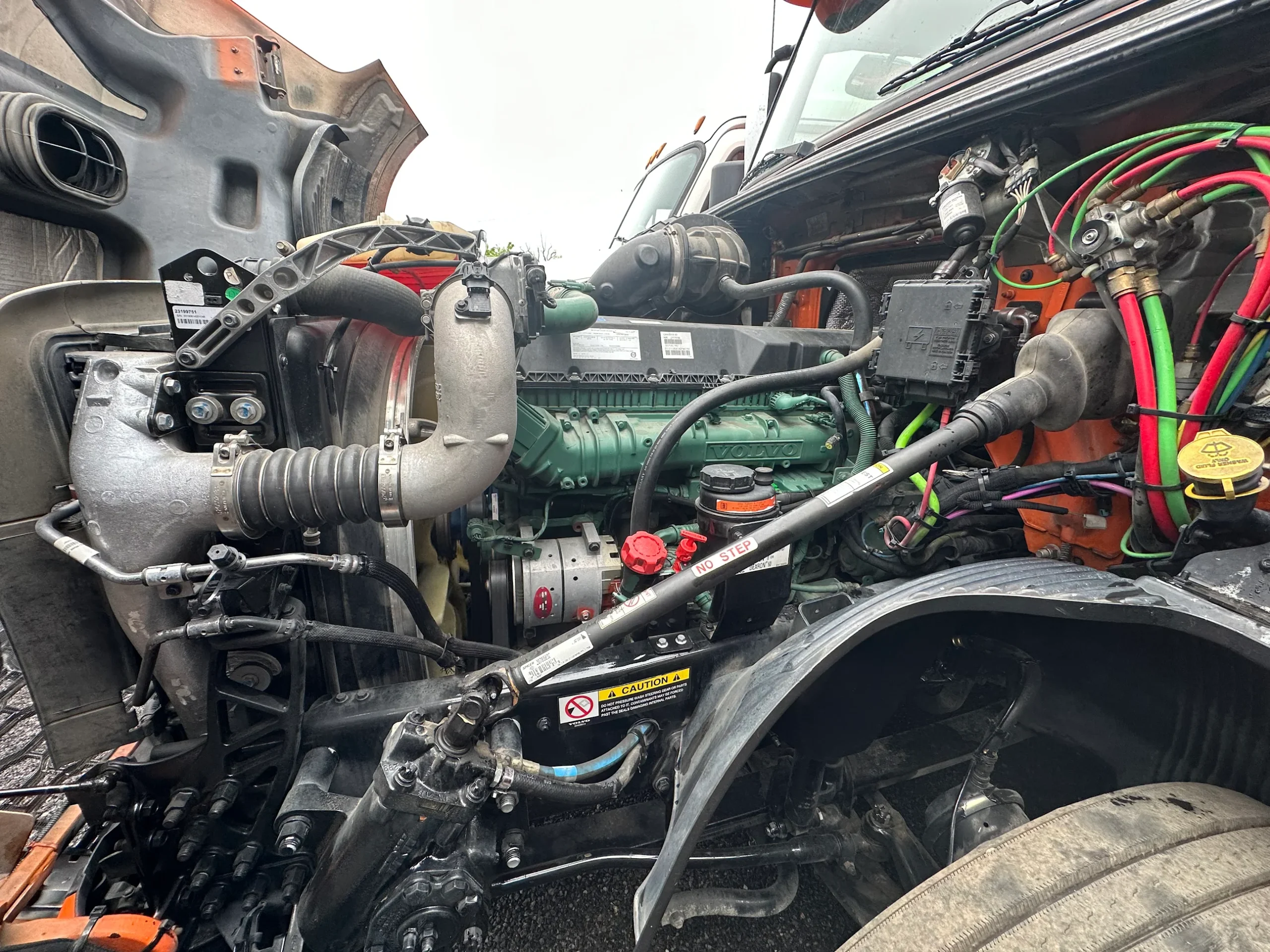
Your semi truck’s cooling system may be harboring a silent danger – pressure buildup. This widely overlooked problem has the potential to result in costly engine issues and roadside surprises.
As experienced diesel repair techs, we’ve seen far too many cases where high coolant pressure has caused the engine to overheat, ruined head gaskets, cracked-out radiators, and ruined water pumps!
These issues hurt your truck’s performance, but they hurt your bottom line with costly repairs and downtime. That is why understanding and monitoring your coolant system pressure is important to all semi-truck owner-operators.
Don’t wait for symptoms to become apparent. Let’s take a closer examination of what you should know about coolant system pressure and how to protect your investment on the road.
The Cooling System’s Role in Regulating Engine Temperature
Your truck’s cooling system is a significant component of keeping your engine at the right temperature so it will perform well regardless of driving conditions. It is similar to having a personal climate control system for your engine.
This sophisticated system works this way to maintain your engine purring:
The coolant picks up heat from your engine parts as it passes through the engine block
The hot coolant is pumped to the radiator by a network of passages and hoses
The fins and tubes of the radiator expose the hot coolant to ambient air, cooling it
Your water pump pumps this cooled liquid repeatedly through the engine
The cooling system is a balance of temperature and pressure. Ideally, when all the parts are functioning properly, your coolant should be operating between 195°F and 220°F. This precise temperature range has many advantages:
- Ensures efficient fuel combustion
- Reduces engine wear
- Maintains proper oil viscosity
- Prevents component damage from excessive heat
When your cooling system is functioning correctly, it helps protect your investment and keeps your semi truck running reliably mile after mile.
Common Causes of Excessive Pressure in the Coolant System
Your semi truck’s coolant system can experience dangerous pressure build-up from several key issues:
1. Failed Thermostat
- Stuck in the closed position
- Prevents proper coolant circulation
- Creates pressure hotspots
2. System Blockages
- Mineral deposits
- Rust accumulation
- Debris in radiator tubes
3. Faulty Radiator Cap
- Worn-out pressure relief valve
- Unable to release excess pressure
- Incorrect pressure rating
4. Head Gasket Issues
- Combustion gases entering the coolant system
- Creates abnormal pressure spikes
- This can lead to engine damage
5. Air Pockets
- Trapped air in cooling passages
- Disrupts normal coolant flow
- Creates pressure imbalances
These problems often start small but can escalate quickly. A minor blockage might seem harmless at first, but as pressure builds up, it can strain your engine components and lead to significant damage. Regular system inspections help catch these issues before they become major repairs.
Diagnosing High Coolant Pressure Issues: A Step-by-Step Guide
Let’s walk through a systematic approach to identify coolant pressure problems in your semi truck:
1. Visual Inspection
- Check for visible coolant leaks around hoses and connections
- Look for coolant residue or stains near the air compressor
- Inspect radiator cap condition and sealing surface
2. Air Compressor Dryer Purge Valve Check
- Start your engine and let it reach the operating temperature
- Listen for unusual sounds from the air compressor
- Watch the dryer purge valve for signs of coolant discharge
- Note: Any coolant presence indicates internal air compressor failure
3. Heater Core Assessment
- Feel both heater hoses while the engine runs
- Both should be warm to hot
- A cold return hose suggests blockage
- Check cabin heat output
4. Pressure Testing
- Install a pressure gauge on the radiator cap opening
- Normal pressure range: 12-15 PSI
- Record pressure fluctuations during engine operation
- Warning: Never remove the radiator cap when hot
5. System Monitoring
- Track coolant temperature readings
- Monitor pressure gauge readings
- Document any unusual patterns
- Keep a log of symptoms and changes
These troubleshooting techniques help pinpoint the source of pressure-related issues in your semi truck’s cooling system. Professional diagnostic tools and expertise can provide additional insights for complex cases.
Understanding the Packar MX13 Engine’s Vulnerability to Coolant Pressure Problems
The design of the Packar MX13 engine presents unique challenges when it comes to managing coolant pressure. Its onboard cooling system, although good, is pressure-sensitive. A feature of this engine is that it will have spikes in coolant pressure, particularly under heavy load or continuous running.
Critical Vulnerability Indicators:
Primary symptoms of susceptibility are excessive frequency of pressure relief valve operation, unexplained loss of coolant with no external leak, oscillations in the temperature gauge during normal operation, and production of white smoke during engine cold start-up.
Your repair record may uncover patterns characteristic of the MX13’s cooling system maladies. Multiple coolant-related repairs within short intervals often signal underlying pressure regulation problems. Computer diagnostic data might show repeated coolant temperature sensor warnings, pressure relief valve activation logs, or engine derating events linked to cooling system issues.
These patterns help identify potential pressure-related problems before they escalate into major repairs. Regular monitoring of your MX13’s computer diagnostic reports can catch early warning signs and prevent system failures.
The Importance of Professional Diesel Repair Services in Managing Coolant System Issues
Professional diesel repair services bring specialized expertise to tackle complex coolant system issues. At Birmingham Mobile Semi Repair, our experienced technicians use state-of-the-art diagnostic equipment to detect pressure-related issues before they can inflict severe engine damage.
Professional regular maintenance is necessary because it helps detect early signs of potential failure of the cooling system, enables preventive measures to be implemented to prevent expensive repairs, facilitates proper calibration and smooth functioning of the system, and addresses individual manufacturer standards.
Our in-house semi repair shop brings expert solutions to your doorstep, reducing downtime and keeping your truck running effectively. We conduct thorough system testing, pressure testing, and repairs as required with industry-standard tools and original parts to make your coolant system strong.
Choose Birmingham Mobile Semi Repair
Your semi truck’s cooling system needs to be well maintained and looked after. Prevent pressure build-up issues from becoming costly repairs. Keeping your coolant system in good condition will save you time and money and avoid unwanted breakdowns on the highway.
We’re committed to assisting you in maintaining your truck in top condition. Our expert staff at Birmingham Mobile Semi Repair provides 24/7 emergency diesel repair, bringing professional assistance right to your door.
Keep your truck running smoothly – call us at (307) 922-1966
Your truck’s dependability is our top priority. Let’s work together to ensure you can always move forward with confidence.