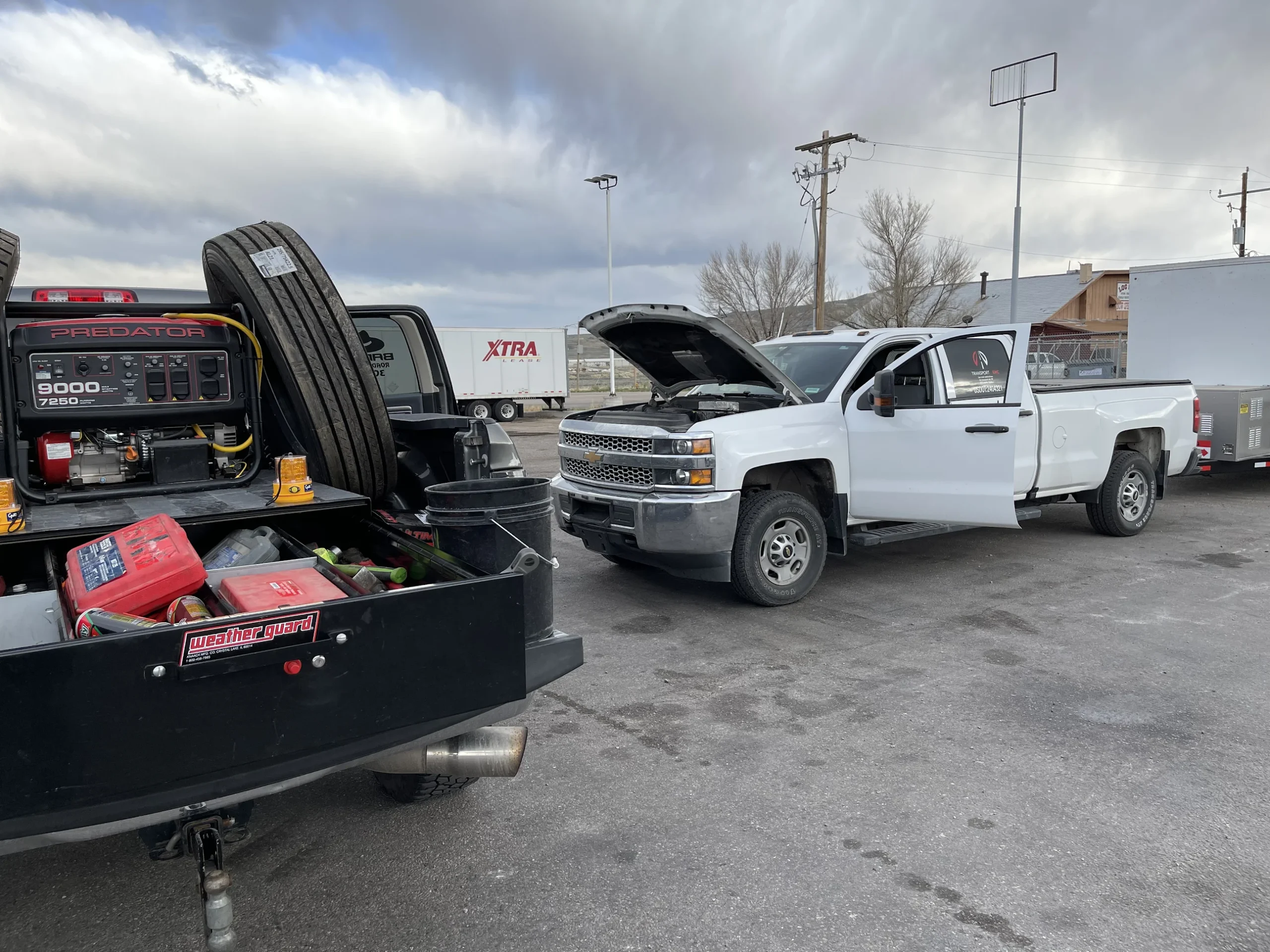
At Birmingham Mobile Semi Repair, we are your reliable partner in heavy-duty truck repairs and maintenance. Our 24/7 mobile repair gear with the latest equipment and expert staff keeps your trucks rolling.
Aftertreatment issues can shut down your business – we’ve seen it happen too many times. Aftertreatment issues impact your vehicle’s emission control systems and performance and environmental conformity. From the SCR conversion efficiency issues to the EGR system issues, after-treatment issues must be addressed quickly so that you avoid expensive repairs down the road.
That’s where we come in. Our specialized knowledge in diagnosing and fixing after treatment issues helps you:
- Maintain EPA compliance
- Prevent engine damage
- Optimize fuel efficiency
- Reduce downtime
- Save on repair costs
We are here to assist you in comprehending these typical issues and offer you practical solutions. With our heavy-duty repair expertise, off-road recovery services, and heavy load transport capabilities, you can be sure that we will keep your fleet in top shape.
Understanding Common Aftertreatment Problems
Your after-treatment system on your semi truck plays an important role in emissions control, with low NOx conversion efficiency being among the most difficult challenges we face. Your truck’s SCR system not operating optimally to convert nitrogen oxides into harmless substances could result in fault codes and affect the performance of your vehicle.
Here’s what you need to know about these common problems:
1. Low NOx Conversion Efficiency
This issue affects your engine’s emissions control capabilities and can have several consequences, including:
- Triggering check engine lights and fault codes
- Reducing your truck’s overall performance
- Potentially leading to compliance issues with emissions regulations
2. Intermittent SCR Faults
The Selective Catalytic Reduction (SCR) system can experience various issues that may disrupt its functioning:
- Clogged comp tube affecting DEF delivery
- Dozer injector problems preventing proper fluid distribution
- Soot buildup in the system, reducing conversion efficiency
- Faulty NOx sensors giving incorrect readings
These problems often manifest through specific symptoms such as:
- Poor engine performance
- Increased fuel consumption
- Failed emissions tests
- Irregular NOx sensor readings
Early detection through quantity tests and NOx readings is essential for maintaining your after-treatment system’s health. These tests identify such problems as SCR buildup and correct DEF dosing into the system. Unaddressed, these issues are intensified, resulting in more serious engine issues and expensive repairs.
The VG cloth turbo control and EGR parts on your truck are utilized together with the SCR system in order to control emissions efficiently. Understanding these interconnected systems helps diagnose and resolve aftertreatment issues before they become major problems.
Diagnostic Strategies for Aftertreatment Problems
When your truck shows signs of aftertreatment issues, we use specific diagnostic strategies to pinpoint and resolve the problem. Here’s how we tackle these challenges:
Key Component Cleaning
- We start by cleaning the comp tube – a critical component that affects your system’s performance
- Regular cleaning prevents buildup that can trigger fault codes
- Our thorough inspection ensures all components are free from contamination
SCR System Maintenance Tips
- Run quantity tests to verify proper DEF dosing into the system
- Check NOx readings to identify potential SCR buildup
- Monitor DEF fluid quality and levels to maintain optimal performance
Fault Code Analysis
We perform comprehensive diagnostic tests, including:
- Low-temperature tests to check NOx and Noack sensor readings without DEF injection
- Verification of throttle valve operation through position testing
- System-wide checks to identify communication issues between components
Your truck’s computer provides valuable data through fault codes. We use advanced diagnostic equipment to interpret these codes accurately, helping us identify whether the issue stems from:
- Sensor malfunctions
- Component failures
- System communication errors
Our diagnostic process includes verifying all steps before recommending component replacement, saving you time and money on unnecessary parts changes.
Troubleshooting Specific Aftertreatment Issues
Here are some common aftertreatment issues we often see at Birmingham Mobile Semi Repair and how we deal with them.
EGR System Issues
A clogged EGR valve or cooler can significantly impact your engine’s performance. When these components get blocked, you’ll notice:
- Reduced engine power
- Increased black smoke
- Higher NOx emissions
- Poor fuel economy
The EGR differential pressure sensor plays a crucial role here – when soot builds up, it directly affects your engine’s performance and NOx levels. We’ve seen many cases where a thorough cleaning of these components restored optimal performance.
Intake Sensor Problems
A malfunctioning intake sensor can throw off your entire aftertreatment system. You might experience:
- Irregular engine performance
- Inconsistent fuel delivery
- Emission control issues
NOx Readings and Testing
We perform comprehensive NOx readings tests to:
- Identify soot buildup patterns in your system
- Check SCR system efficiency
- Verify proper DEF injection
- Monitor conversion rates
Our low-temperature test procedure checks both NOx and Noack sensor readings without DEF injection into the SCR system. This helps us pinpoint exactly where issues might be occurring in your aftertreatment system.
When dealing with these issues, we run quantity tests to verify proper dosing into the system. This all-in-one approach allows us to identify and correct issues prior to them being costly repairs.
Preventive Maintenance and Solutions
Smart truck buying begins with a detailed maintenance record. When shopping for a used Cascadia or any heavy-duty truck, we highly suggest that you get detailed maintenance records. These records provide important information on previous repairs and replacements, service mileage, and high-cost component upgrades. They also highlight any lingering problems the vehicle has faced, enabling you to better understand its overall reliability and repair requirements.
Your warranty claims success rate increases significantly when you partner with experienced repair shops. At Birmingham Mobile Semi Repair, we’ve handled numerous warranty claims for aftertreatment repairs. Our technicians understand manufacturer requirements and documentation needs, helping you navigate the claims process smoothly.
We offer comprehensive trailer maintenance services to keep your entire rig running efficiently. Our service package includes brake system inspections, air system checks, suspension component assessments, and non-structural repairs.
Preventive maintenance scheduling maintains your trailer in the best condition, conserving downtime and surprises.
Pro Tip: On high-mileage vehicles, especially those with over 500,000 miles, it is extremely necessary to thoroughly research the history of major parts replaced and see detailed engine condition reports. Assessing the quality of past repairs will provide valuable information on long-term dependability of the vehicle. Secondly, consider how frequently the truck has been serviced since regular servicing typically indicates better overall condition and fewer surprises in the future.
A suitable care strategy ensures frequent inspections and preventive repairs. The truck’s performance is on the count of regular care, skilled work, and timely action upon issues.
Industry Insights and Recommendations:
We have found a range of industry trends of considerable importance in the field experience. Cascadia trucks frequently require air brake compressor replacement – a maintenance aspect that fleet owners should factor into their operational planning.
ECM Tuning Considerations:
- ECM tunes can boost your miles per gallon (MPG)
- Be cautious – improper tunes may violate federal regulations
- Research thoroughly before implementing any ECM modifications
- Unauthorized tunes risk potential engine damage and reduced lifespan
High Mileage Vehicle Selection:
Looking at high-mileage vehicles? Here’s what to consider:
- A 2013 Volvo D13 with 500k+ miles can be reliable if:
- Major components have been replaced
- Regular maintenance records are available
- Service history shows consistent upkeep
Engine Preferences:
- DD13 engines run smaller than D13 Volvo
- Both options prove reliable with proper maintenance
- Earlier model engines without EGR or DPF filters often show better longevity
Performance Tips:
- Proper alignment and weight distribution are crucial for truck stability
- Avoid diesel additives in newer engines – small injector nozzle clearance makes them unnecessary
- Regular system checks help maintain optimal performance
These are based on our practical experience handling different truck models and configurations in the market. Recognizing these trends enables you to make sound decisions on your fleet maintenance and management.
Choose Birmingham Mobile Semi Repair
Aftertreatment problems require expert knowledge and specialized solutions, whether it’s diesel additives or motor mount tightening procedures. At Birmingham Mobile Semi Repair, we’re here to help you tackle these challenges head-on with our 24/7 heavy-duty repair services.
Our experienced team is equipped with top-notch equipment and ready to provide the following:
- Mobile semi repair
- Off-road recovery
- Heavy load transport
- Professional diagnostic services
Don’t let common aftertreatment problems keep your truck off the road. Give us a call at (307) 922-1966 for immediate assistance. We’re committed to keeping your vehicle running efficiently and safely, giving you peace of mind on every journey.