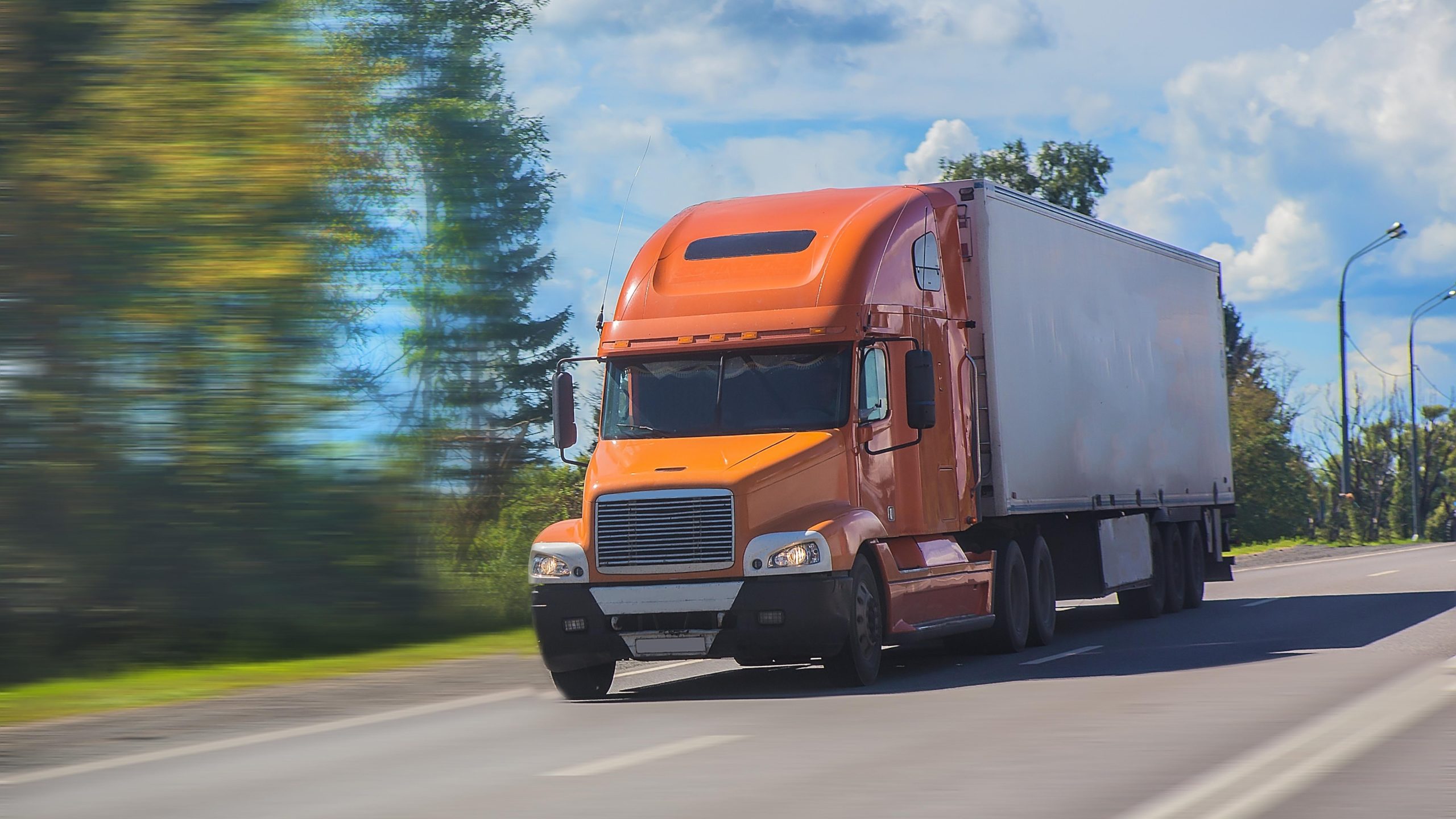
Combination vehicles—meaning a tractor unit with one or more trailers—are, besides regular truck driving, special in knowledge and skills. They are really strong, enormous trucks used mostly for the movement of goods across America.
Knowing the peculiarities of combination vehicles is important to get the ability to operate them. Whether you are trying to get your CDL permit or simply want to improve your driving skills, knowing how to safely handle this huge vehicle is very important for being successful on the road.
Continue reading below to explore:
- Safety measures and risk prevention
- Driving techniques for trailer handling
- Managing speed and distance
- Understanding brake systems and maintenance
- Conducting pre-trip inspections
- Responding to emergencies
Let’s explore the world of combination vehicles together and boost your confidence as a professional driver.
Understanding Combination Vehicles
Combination vehicles stand apart from single commercial vehicles in several critical ways. These heavy-duty vehicles demand a higher level of expertise and attention due to their unique characteristics.
Size and Weight
Combination vehicles are significantly heavier and longer than single commercial vehicles, requiring careful consideration during every maneuver. The substantial mass and extended length create distinct challenges for drivers, especially when navigating tight spaces or managing stopping distances.
Handling Complexity
The addition of trailers creates unique driving dynamics that must be carefully managed. Each trailer adds another layer of complexity to vehicle control, affecting everything from turn radius to stability during braking and acceleration.
Skill Requirements
Drivers need specialized knowledge beyond basic commercial driving skills to operate these vehicles safely and efficiently. This includes understanding trailer dynamics, mastering coupling procedures, and developing advanced spatial awareness for maneuvering in various conditions.
Professional drivers must master specific competencies to operate these vehicles safely:
- Precise steering and maneuvering techniques
- Advanced braking system management
- Proper cargo distribution knowledge
- Understanding of trailer dynamics
- Expert coupling and uncoupling procedures
Safety Statistics
The safety implications of operating combination vehicles are significant. Industry data reveals a sobering reality.
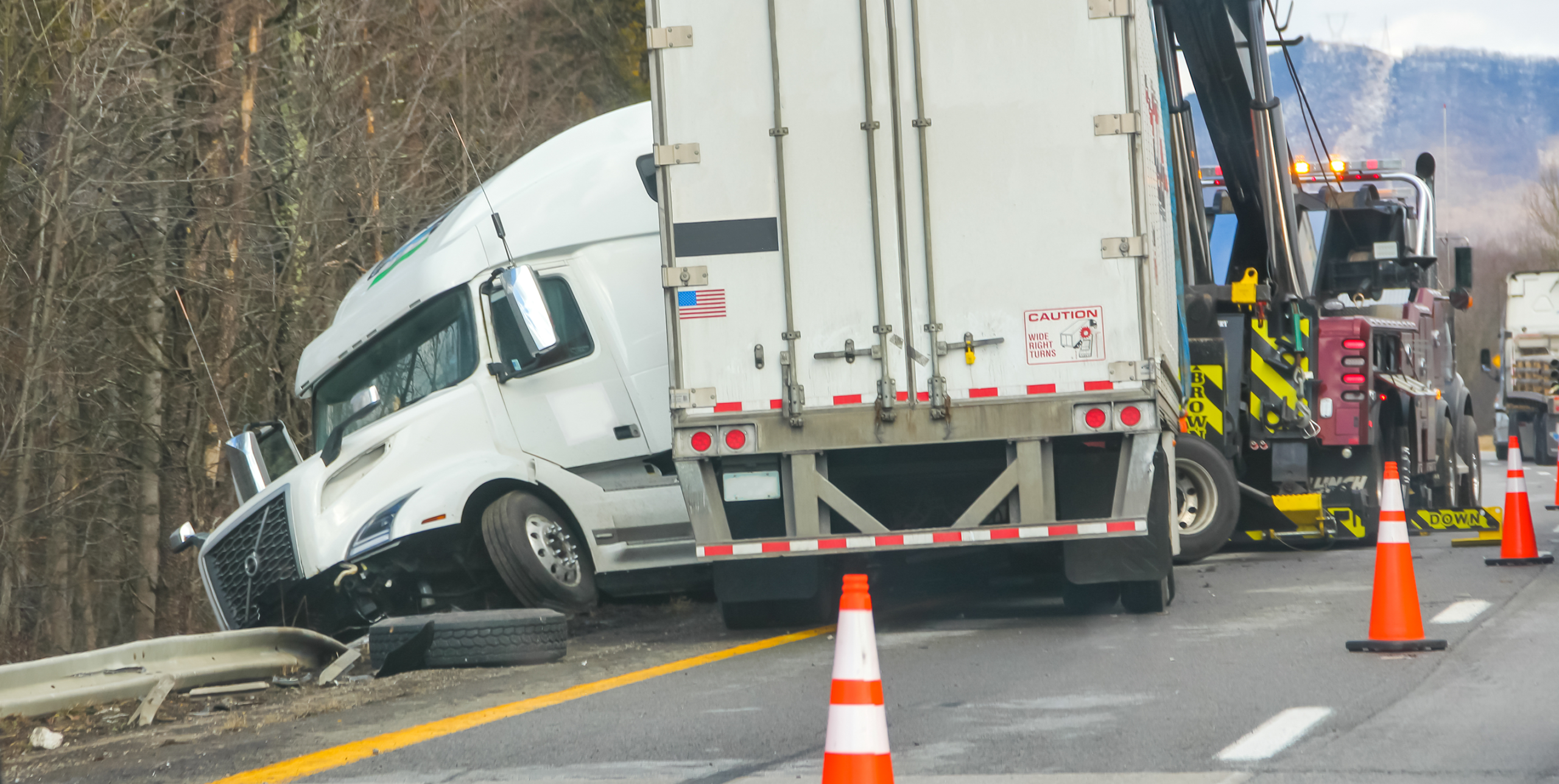
Did you know? Over 50% of truck driver fatalities and crashes are attributed to rollover incidents.
This statistic highlights the critical nature of proper training and operation. Fully loaded combination vehicles face a particularly high risk – they’re 10 times more likely to roll over during a crash compared to empty rigs.
These vehicles also experience a unique phenomenon called “rearward amplification.” For example, in triple-trailer configurations, the rear trailer can experience 3.5 times more lateral movement than the tractor unit, making it twice as likely to tip over during sudden maneuvers!
Risks and Safety Measures with Combination Vehicles
Combination vehicles, such as trucks with trailers, have a few unique safety issues that drivers should be aware of. Knowing the risks and taking the appropriate precautions can prevent crashes and assure road safety for everyone.
The Importance of Load Management
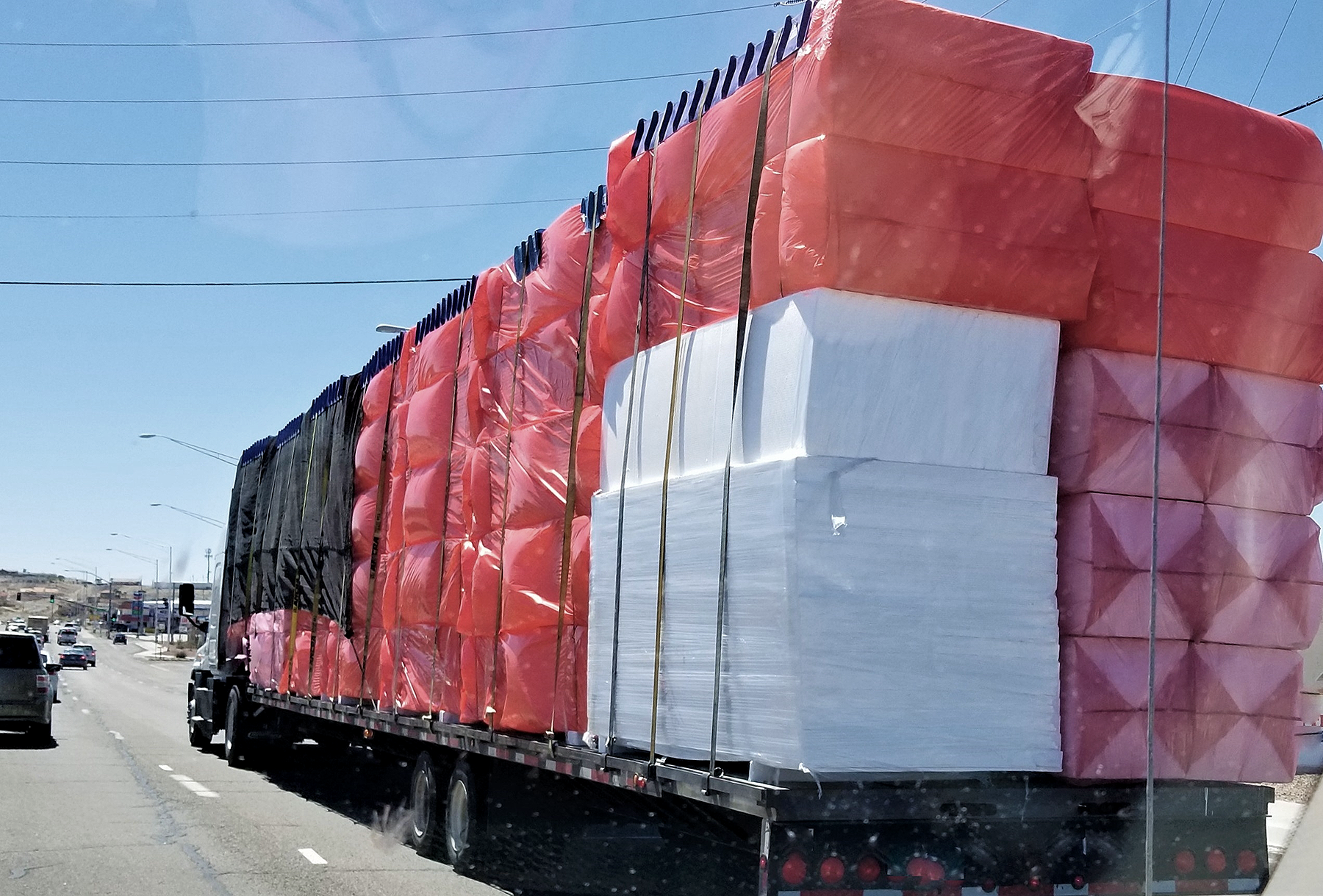
One of the most significant determinants of a combination vehicle’s stability is the load. A fully loaded truck is far more prone to roll over in a collision than an empty one.
This emphasizes the critical importance of managing the load properly and using safe driving techniques.
Key Safety Measures to Prevent Rollovers:
- Keep cargo weight low and centered
- Spread the load evenly across the trailer
- Reduce speed around turns and curves
- Avoid sudden lane changes
Understanding Rearward Amplification
During quick maneuvers, there’s a phenomenon known as rearward amplification that can pose a significant risk to combination vehicles. This effect is most dangerous in triple trailers where the rearmost trailer can be subjected to 3.5 times the sideways force of the tractor unit.
To reduce this risk, drivers must be conscious of how their actions will affect the whole vehicle combination. Smooth and gradual movements, rather than sudden ones, will go a long way to significantly reduce the possibility of rearward amplification occurring.
Considerations for Empty Trailers
Empty trailers bring their own set of challenges. Large combination vehicles take longer to stop if they’re empty, so operators must increase the anticipated stopping distances accordingly. Another factor: drivers need to take special care when bobtailing—running tractor without a trailer—due to reduced braking stability.
It’s important that drivers operating empty trailers or bobtail tractors adjust their driving behavior accordingly.
Additionally, bobtail tractors (tractors without trailers) require extra caution due to reduced braking stability.
It’s important for drivers operating empty trailers or bobtail tractors to adjust their driving behavior accordingly. This may involve allowing for longer stopping distances and being mindful of potential instability during braking maneuvers.
Dealing with Wind Effects
Wind can significantly impact the stability of combination vehicles, especially if they are empty or lightly loaded. All drivers must understand that an empty trailer is readily pushed out of alignment by strong winds.
While driving in windy conditions, the driver should keep a tight hold on the steering wheel and be prepared for any sudden gusts. Where possible, avoid exposed stretches of road that may be subjected to high winds and plan routes accordingly.
Navigating Railroad Crossings Safely
Combination vehicles must also exercise caution when approaching railroad crossings. Low-clearance trailers may get stuck on top of raised crossings when not negotiated properly.
It can be prevented through safe passage over railroad tracks where the driver shall approach the crossing with caution, check clearance before attempting to cross and so avoid accidents occurring due to underestimating clearances.
Maintaining Stability through Speed Control and Load Distribution
In efforts to avoid rollovers and ensure vehicle stability, drivers need to be keen on two basic traditions: uniform speed maintenance and balanced loading.
Drivers are required to maintain a uniform speed during the hauling; abrupt stops or starts wherever possible are not allowed. Tractor unit as well as trailer is therefore loaded equally. The second major element is level loading on all group of axles for purposes of offering improved stability in making turns as well as changing directions.
Trailer Brake Systems and Maintenance
Your brake system is an important safety element on your combination rig and needs to be well understood and maintained. The tractor protection valve will support air pressure in the tractor brake system if the trailer should become detached. Automatically, the valve will function as pressure ranges between 20 to 45 PSI, which will not allow air to escape from the tractor, enable air to exit the trailer’s emergency line, and engage the trailer’s emergency brakes.
The air supply control for the trailer is a red, octagon-shaped knob located in the cab. Pushing on the knob provides air to the trailer. Pulling it back closes off the air supply and engages the emergency brakes. This system controls the tractor protection valve, though older models have a lever instead of a knob.
Air line components include the service line, which is controlled by a foot brake or hand valve, and the emergency line that supplies air to trailer tanks. Glad hands come in blue coupling for service lines and red for emergency lines, while dummy couplers protect airlines from water and dirt.
The ABS (Anti-Lock Braking System) is required on trailers built after March 1998. It maintains vehicle control during hard braking and reduces brake pressure when wheels near lock-up. If ABS malfunctions, regular brake function continues.
For air tank maintenance, each trailer has one or more air tanks. Daily valve drainage prevents water and oil buildup, and shut-off valves control air flow between trailers. It’s worth noting that pre-1975 trailers may lack spring brakes!
Driving Techniques for Combination Vehicles
Mastering the art of driving combination vehicles requires specific techniques to ensure safe operation on the road. When steering and turning, drivers should steer gently and smoothly when pulling trailers to prevent tipping. During backing, turn the steering wheel in the opposite direction. Once the trailer starts turning, back slowly and correct any drift immediately. Allow wider turns by positioning the front end with enough space for the rear to clear corners without running over curbs.
For cargo management, keep cargo low to maintain a stable center of gravity, spread the load evenly across the trailer, and secure all cargo properly to prevent shifting during transport. When changing lanes, avoid quick movements to prevent the “crack the whip” effect, remembering that triples have a rearward amplification of 3.5, making the rear trailer twice as likely to roll over.
Proper brake management involves using the foot brake instead of the hand valve for steady braking, applying brakes early and gradually, and taking extra care when driving bobtail tractors. For railroad crossings, watch for low-clearance trailers at raised crossings, check underneath clearance before crossing, and approach crossings with caution to prevent getting stuck.
Speed, Distance, and Trailer Handling Management
Safe operation of combination vehicles requires precise management of speed, distance, and trailer handling. For the following distance, keep 1 second of the following distance for every 10 feet of vehicle length, add an extra second when traveling over 40 mph, and double these distances during nighttime driving.
Speed control requires breaking early since combination vehicles need longer stopping distances. Empty trucks require extra caution as they take longer to stop than fully loaded ones. Adjust your speed to ensure you can spot obstacles within your headlight range, and remember that bobtail tractors need special attention as they’re harder to stop smoothly than loaded tractor-trailers.
To prevent and manage trailer skids, watch your mirrors regularly to detect early signs of skidding. If skidding occurs, release the brakes immediately to regain traction, avoid using the trailer hand brake, and make smooth, controlled corrections. Never use the trailer handbrake for regular stopping.
Railroad crossing safety involves being alert for raised crossings, as low-clearance trailers can get stuck on elevated tracks. Check clearance before attempting to cross and maintain a steady speed when crossing to prevent getting stuck. Remember to adjust these guidelines based on weather conditions, road surface, and traffic patterns.
Inspection Procedures and Emergency Procedures for Combination Vehicles
A thorough inspection routine keeps you safe on the road. Your essential checklist for combination vehicle inspections includes several key components.
Daily Pre-Trip Inspection Points
A complete daily inspection should examine tire and wheel condition, all lights and reflector functionality, complete coupling system assessment, landing gear stability and operation, and air and electrical lines security.
Fifth Wheel Inspection Requirements
During the fifth wheel inspection, check for missing or damaged parts, verify proper grease application, confirm that there is no space between the upper and lower fifth wheel, ensure locking jaws are secure around the kingpin shank, and verify that the release arm is sealed with safety latch locked.
Brake System Testing Protocol
Begin by building normal air pressure in the system, then push the red trailer air supply knob. Apply the tractor parking brake, place wheel chocks for safety, and test the service line air supply using the trailer handbrake.
Emergency Brake Verification
Start by fully charging the trailer air brake system and testing the trailer roll capability. Pull out trailer air supply control, verify emergency brake engagement, and perform gentle tractor pull test.
Critical Daily Maintenance
Essential maintenance includes draining air tanks to prevent water/oil buildup, inspecting gladhand seals for damage, checking electrical cord connections, verifying sliding fifth wheel locking pins, and assessing landing gear components and operation.
Remember to inspect your combination vehicle thoroughly before each trip. These procedures help prevent breakdowns and ensure your safety on the road.
Keeping Your Combination Vehicle in Shape with Birmingham Mobile Semi Repair
Your combination vehicle’s safety depends on consistent maintenance and thorough inspections. We at Birmingham Mobile Semi Repair understand the critical nature of heavy-duty repair services for your semi-truck operations. We provide expert diesel repair solutions right where you need them.
Don’t let mechanical issues compromise your safety on the road. Our skilled technicians deliver:
- 24/7 Emergency Assistance
- Professional Brake System Inspections
- Comprehensive Coupling System Maintenance
- Expert Air Line and Valve Repairs
Keep your rig running safely and efficiently – call Birmingham Mobile Semi Repair at (307) 922-1966 for immediate assistance. We bring our expertise to you, minimizing downtime and keeping you on schedule.