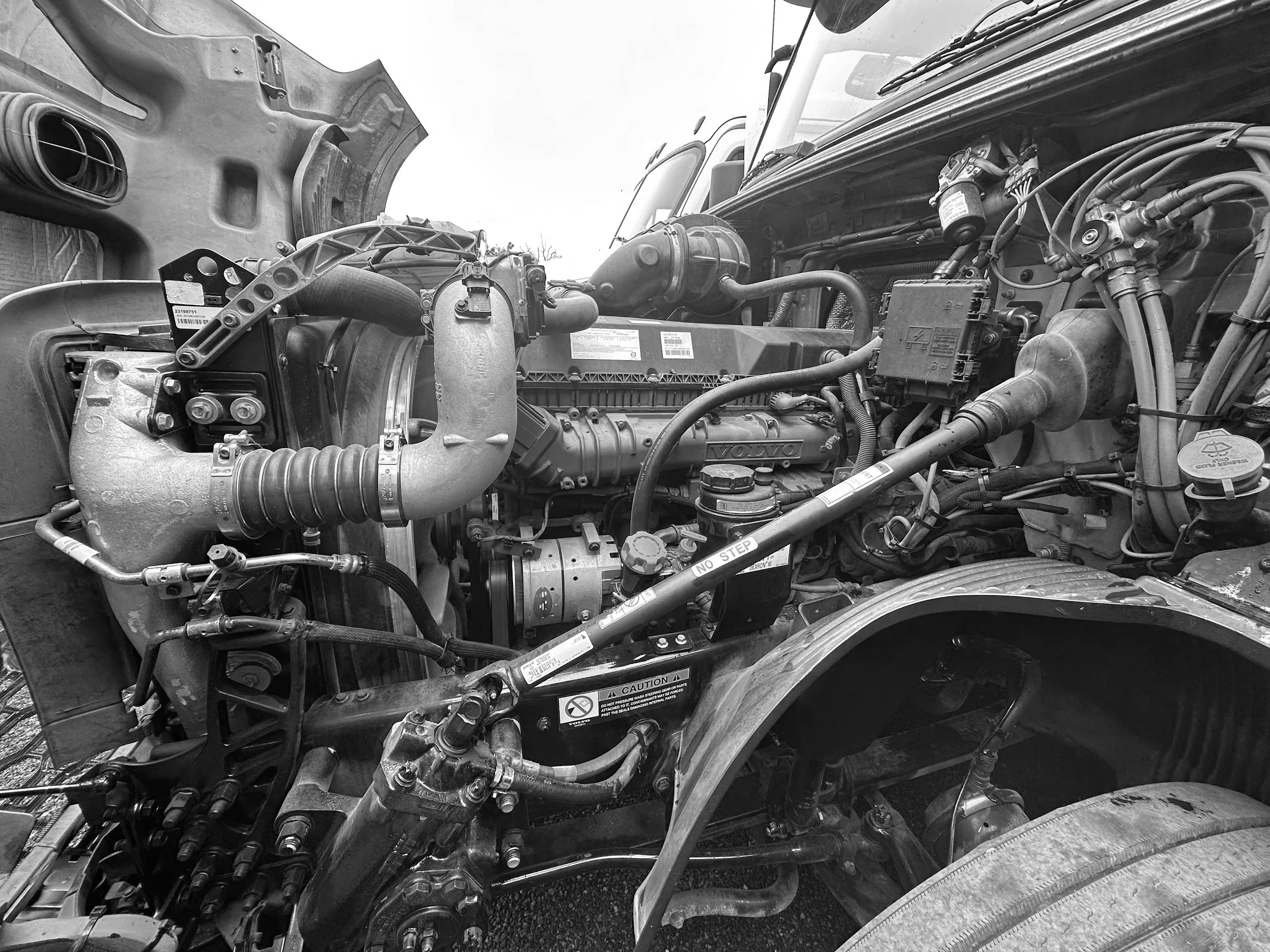
Your diesel engine is the most expensive part of your truck; it’s the very heart of it! As professional drivers, we realize that to have your vehicle working effectively, one needs to service it correctly. But too many truck drivers actually commit simple mistakes that cause hurt to their diesel engines, not knowing that they’re just calling for big repairs someday in the future, sudden breakdowns, and reduced lifespan for this engine.
To help you protect your diesel engine and keep it running efficiently, we have outlined some key mistakes to avoid, including bad practices related to cold-weather starts, ignoring temperature warnings, incorrect idling, lack of timely oil changes, and poor fuel tank service. Continue reading to take a closer look at these common mistakes and provide real-world advice on how to prevent damage to your diesel’s performance and an on-highway breakdown.
Letting Your Diesel Engine Stay in an Idling Position for Too Long
Your diesel engine needs a little time to warm up, mostly in cold weather conditions. Newer synthetic oils have better protection qualities, but they still take some time to reach all parts of your engine before you can start driving. During a cold start, oil thickens and becomes very sluggish, and engine parts remain unprotected until the oil reaches every component. Hands down, driving without proper warm-up causes critical engine wear!
Best Practices for Cold Weather Starts
Let your engine idle for 2-3 minutes before driving, avoid starting a loaded truck and driving off immediately, and keep idle RPM around 1000 to ensure proper oil circulation. Starting your truck and driving off right away in freezing temperatures puts unnecessary stress on your engine. It is a practice that could result in early wear, probably leading to costly repairs. A few minutes of patience during start-up can add years to your engine’s life.
Not Paying Attention to Engine Temperature During Heavy Loads
Your diesel engine has to endure a lot of stress on those long and demanding hauls. Monitoring your temperature gauges is a good habit and crucial in preventing catastrophic engine failure. Warning signs of engine overheating include instant temperature spikes during heavy pulls, unusual noises coming from the engine, loss of power, and steam from under the hood.
Ignoring these signs can lead to warped cylinder heads, blown head gaskets, and major engine component failures. These repairs aren’t only expensive; they cost you thousands of dollars in repair bills and hours upon hours off the road. A quick glimpse of your temperature gauge while pulling can save you from such costly repairs. Get used to scanning your gauges often, especially when your truck is under heavy work with a load on board.
Pro Tip: If you feel that the temperature of your car rises above normal, lighten up your load or pull to a safe area until it cools down.
Low Idling Practices
Letting your truck idle at low RPMs might sound like a good way to save fuel, but it’s a dangerous practice that might cause serious damage to your diesel engine. If your engine is idling at below 1000 RPM, the oil pressure generated might not be enough to keep the upper parts of your engine block well-lubricated. Many drivers, without APUs, would let their trucks idle overnight at around 600 RPM. In this mode, oil circulation becomes too low, and the engine’s critical parts are not protected from wear and tear.
Running the engine at higher RPMs during necessary periods of idling will help ensure your engine’s longevity and not allow undue wear on vital parts. Properly circulating oil inside your diesel engine is what protects the components.
Neglecting Oil Change Intervals
Oil changes are important to your diesel engine. Your oil change schedule is much more than just another line item on your maintenance schedule; it is a critical component in how long your engine will last. As good as synthetic oil is, it still requires a change within the time recommended by your manufacturer. Otherwise, you can be assured that accumulated particles have built up in your engine and may leave you hitchhiking in the middle of nowhere.
Keep in mind that the cost of a routine oil change is quite minimal compared with the costly engine repairs that it will cause due to maintenance failure. The kind of oil you use, whether conventional or synthetic, will affect how often you service, but either way, regular oil changes are essential in protecting the parts of your diesel engine.
Neglecting Fuel Tank Maintenance
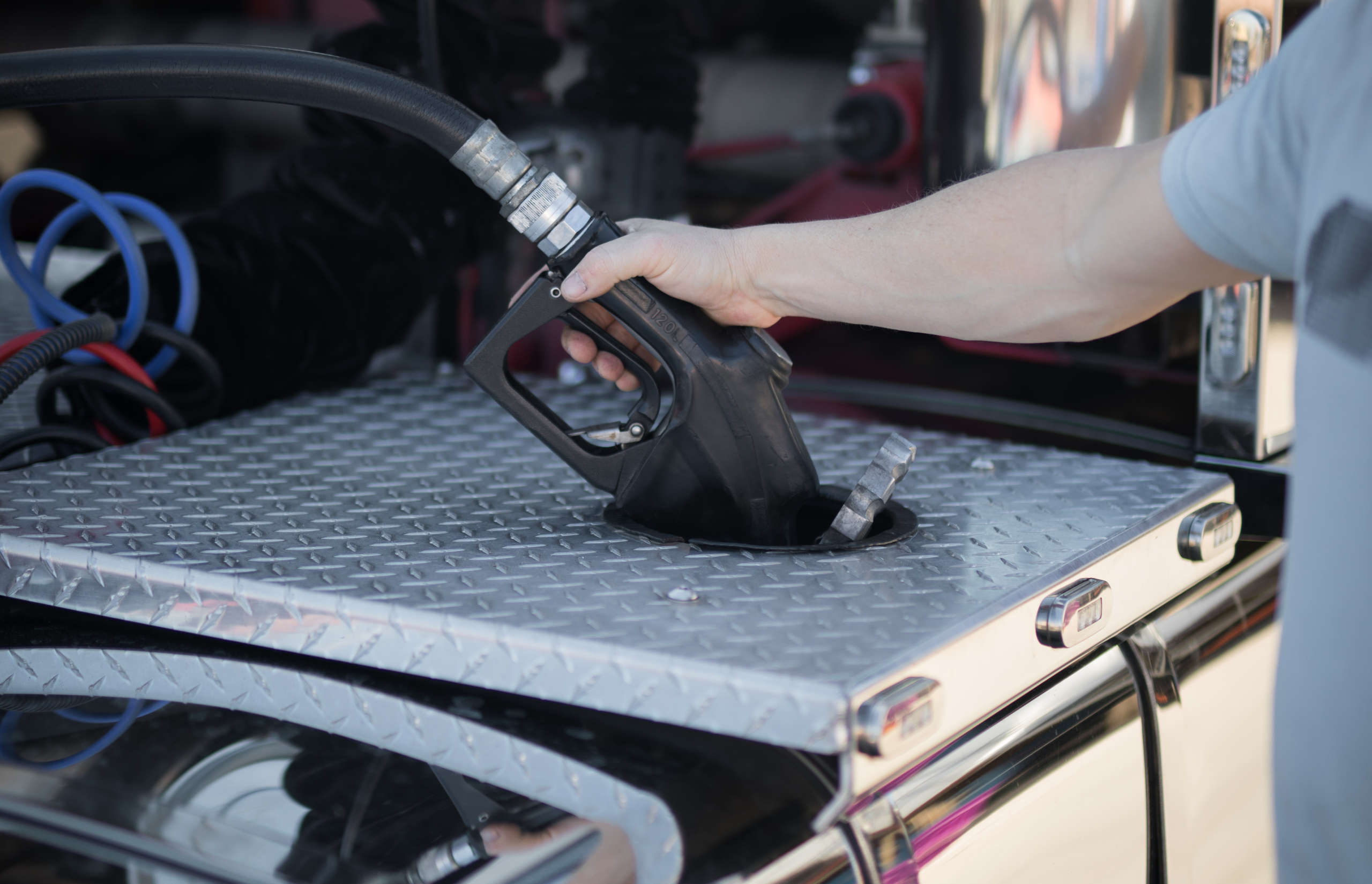
New challenges have also been presented by modern biodiesel and eco-friendly fuels in the form of algae growth in fuel tanks. This biological contamination can cause serious engine problems when it flows through your fuel lines and into your engine. If you notice signs of algae buildup, professional cleaning, together with fuel system flushing, is highly important! Prevention costs less compared to the extended repair needed when contaminated fuel damages your engine parts.
Choose Birmingham Mobile Semi Repair
Your diesel engine is the heartbeat of your truck, and it deserves nothing but the best of service. We aim to give you a heads-up on the five critical mistakes that could lead to costly repairs and unwanted downtime. Being a professional driver requires taking proactive steps toward ensuring longevity, not just a good practice but a way of life.
Don’t let preventable issues leave you stranded on the roadside! At Birmingham Mobile Semi Repair, we got you covered for all your diesel engine performance needs. Our expert team provides professional diesel repair services 24/7, ensuring you stay on schedule and your engine stays healthy.
Need professional help with your diesel engine? Call Birmingham Mobile Semi Repair at (307) 922-1966 today. We’ll be happy to help you steer clear of these common mistakes and keep your truck running strong.